

Selecting the right roofing professional for your Aurora property requires careful consideration of licensing requirements, local building codes, and contractor qualifications. Whether you need residential shingle replacement or commercial roofing services, understanding what distinguishes exceptional contractors from average ones protects your investment and ensures long-term structural integrity. This comprehensive guide walks you through the essential factors to consider when hiring an aurora roofing contractor, from verifying credentials to understanding the permit process.
Understanding Aurora's Licensing Requirements
Aurora maintains strict licensing standards for construction professionals operating within city limits. Any aurora roofing contractor must comply with local regulations established by the Building Division to legally perform work on residential and commercial properties.
The City of Aurora’s contractor licensing requirements outline specific applications, fees, and procedures that contractors must complete before beginning work. These regulations protect homeowners by ensuring only qualified professionals handle roofing projects.
Verification Process for Contractor Credentials
Before signing any contract, property owners should verify their chosen contractor's credentials through multiple channels:
- Active licensing status with the City of Aurora
- Current general liability insurance coverage
- Workers' compensation insurance for all employees
- Bond requirements as specified by local ordinances
- Professional certifications from manufacturer training programs
Professional contractors welcome credential verification requests. In fact, reputable companies proactively share this information during initial consultations to establish trust and demonstrate compliance with industry standards.
| Credential Type | Why It Matters | Verification Method |
|---|---|---|
| License Status | Legal authorization to work | City of Aurora lookup tool |
| Liability Insurance | Property damage protection | Request certificate of insurance |
| Workers' Comp | Employee injury coverage | Verify with insurance carrier |
| Manufacturer Certifications | Quality workmanship standards | Check manufacturer directories |
Navigating Permits and Building Codes
Aurora enforces comprehensive building codes that govern roofing installations and repairs. Every aurora roofing contractor must obtain proper permits before starting work, regardless of project size or scope.
The Aurora Building Division oversees the permitting process, plan reviews, and inspections necessary for compliance. Understanding these requirements helps property owners ensure their contractor follows proper procedures.
When Permits Are Required
Most roofing projects require permits, though specific requirements depend on the work's nature and extent:
- Complete tear-offs and replacements always require permits
- Structural repairs involving decking or framing modifications need approval
- Re-roofing projects over existing materials in certain situations
- Commercial roofing installations of any size
- Solar panel integration with roofing systems
Contractors who suggest skipping the permit process raise immediate red flags. Unpermitted work creates liability issues, complicates future sales, and may result in fines requiring expensive corrections.
According to Aurora’s codes and regulations, specific material specifications, installation methods, and safety requirements must be met for permit approval. These standards ensure roofing systems can withstand Aurora's unique weather challenges, including hail storms, high winds, and temperature fluctuations.
Inspection Requirements and Compliance
The inspection process serves as quality control, verifying that work meets adopted building codes and manufacturer specifications. The Aurora Building Inspections department manages scheduling and compliance verification for permitted projects.
A qualified aurora roofing contractor coordinates these inspections seamlessly, understanding required stages and proper preparation for each review. Inspection failures often indicate substandard workmanship or code violations that could compromise roof performance.
Typical Inspection Stages
Initial inspections verify proper permit posting and site preparation. Mid-project inspections examine underlayment installation, flashing details, and ventilation components before final covering materials go on.
Final inspections ensure complete installation per approved plans, proper cleanup, and adherence to all code requirements. Contractors should provide property owners with passed inspection documentation for their records.
Some projects require additional specialty inspections, particularly when integrating solar roofing systems with traditional roofing materials. These inspections verify proper coordination between solar installation and roof integrity.
Material Selection and Climate Considerations
Aurora's climate presents unique challenges requiring specific material choices and installation techniques. Temperature swings, hail exposure, and intense UV radiation all impact roofing material performance and longevity.
Understanding roofing challenges specific to Aurora helps property owners make informed decisions about material selection. Your chosen aurora roofing contractor should provide detailed explanations about which materials perform best in local conditions.
Residential Roofing Material Options
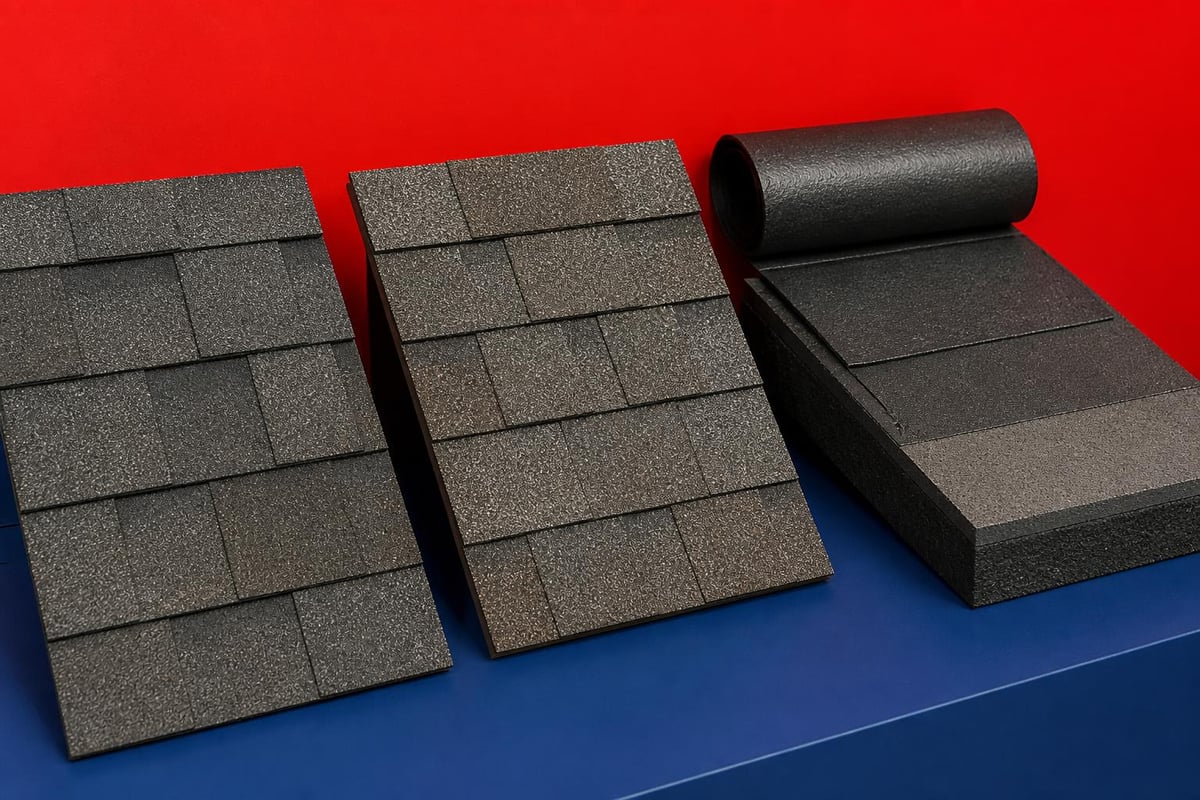
Asphalt shingles remain the most popular choice for Aurora homes, offering excellent value and diverse aesthetic options. Impact-resistant shingles provide additional hail protection, crucial given Aurora's storm frequency.
Architectural shingles offer superior wind resistance and longer warranties compared to three-tab varieties. Many manufacturers now produce shingles specifically rated for hail-prone regions, with Class 4 impact ratings providing the highest protection level.
For property owners exploring storm damage roof concerns, selecting materials with proven hail resistance reduces future claim frequency and maintains property value.
Commercial Roofing Systems
Commercial properties require different material approaches than residential buildings. Modified bitumen systems provide excellent performance for flat and low-slope commercial roofs common in Aurora's commercial districts.
- Modified bitumen offers durability and weather resistance for commercial applications
- TPO membranes provide energy-efficient white roofing options
- EPDM rubber delivers long-lasting performance at competitive pricing
- Built-up roofing remains reliable for specific applications
Your commercial roofing specialist should evaluate building-specific factors like drainage, insulation requirements, and traffic patterns when recommending systems.
Weather-Related Damage and Insurance Claims
Aurora experiences frequent hailstorms and severe weather events that damage roofing systems. Recognizing damage indicators and understanding the insurance claim process helps property owners protect their investments.
An experienced aurora roofing contractor provides thorough damage assessments, documenting all impacts for insurance purposes. Detailed documentation strengthens claims and ensures proper compensation for necessary repairs.
Identifying Hail Damage
Hail damage to asphalt shingles often appears as circular bruising, granule loss, or cracked shingle surfaces. Professional inspections reveal damage invisible to untrained eyes, including compromised underlayment and damaged flashing.
Timing matters significantly when filing insurance claims. Most policies require notification within specific timeframes after discovering damage. Prompt professional assessment ensures compliance with policy requirements.
Working with contractors experienced in roof damage and insurance claims streamlines the process. These professionals understand documentation requirements, communicate effectively with adjusters, and advocate for proper repair scopes.
| Damage Type | Common Indicators | Insurance Considerations |
|---|---|---|
| Hail Impact | Circular bruising, granule loss | Document size and density of impacts |
| Wind Damage | Missing shingles, lifted edges | Photograph affected areas immediately |
| Storm Debris | Punctures, torn materials | Preserve damaged materials for adjuster review |
| Water Intrusion | Interior staining, deterioration | Document timeline and progression of damage |
Evaluating Contractor Experience and Reputation
Experience matters significantly in roofing quality and project success. An aurora roofing contractor with established local presence understands regional challenges and maintains relationships with suppliers, inspectors, and industry organizations.
The American Roofing Contractors Organization accreditation standards outline comprehensive requirements for legal compliance, insurance, reputation, workmanship, safety, professionalism, and ethical conduct. Contractors meeting these standards demonstrate commitment to industry excellence.
Questions to Ask Potential Contractors
How long have you operated in Aurora specifically? Local experience indicates familiarity with building codes, inspection processes, and weather patterns affecting roof performance.
What manufacturer certifications do you maintain? Certifications demonstrate training investment and often provide enhanced warranty options for property owners.
Can you provide local references from recent projects? Current references offer insights into communication quality, work standards, and problem-resolution approaches.
Request detailed written estimates breaking down material costs, labor, permits, and project timelines. Transparent pricing indicates professional business practices and helps compare proposals accurately.
Project Timeline and Communication Expectations
Clear communication throughout the project lifecycle prevents misunderstandings and ensures satisfactory outcomes. Professional contractors establish communication protocols during initial consultations and maintain consistent updates as work progresses.
Typical Project Phases
- Initial consultation and assessment (1-2 hours)
- Detailed estimate and material selection (2-3 days)
- Permit application and approval (1-2 weeks)
- Material ordering and delivery coordination (1-2 weeks)
- Installation execution (1-5 days depending on size)
- Final inspection and project closeout (1 week)
Weather delays frequently impact roofing schedules, particularly in Aurora where afternoon storms appear regularly during summer months. Flexible timelines and proactive communication help manage these inevitable adjustments.
Your contractor should provide contact information for project managers or supervisors, not just office staff. Direct access to decision-makers resolves questions efficiently and maintains project momentum.
Warranty Coverage and Long-Term Support
Understanding warranty coverage protects your roofing investment beyond installation completion. Most roofing systems include both manufacturer material warranties and contractor workmanship guarantees.
Material warranties typically range from 25 to 50 years depending on product quality and manufacturer. These warranties cover manufacturing defects but usually exclude installation errors or damage from external sources.
Workmanship warranties protect against installation errors and typically span 5 to 10 years. Reputable contractors stand behind their work with comprehensive labor warranties addressing any installation-related failures.
Warranty Registration Requirements
Many manufacturers require proper registration within specific timeframes to activate enhanced warranty coverage. Your aurora roofing contractor should handle registration paperwork as part of project completion.
Maintaining documentation proves essential when warranty claims arise years after installation. Keep copies of:
- Final invoices and payment records
- Material specifications and manufacturer information
- Warranty registration confirmations
- Inspection approval documentation
- Contractor contact information for future service needs
Regular maintenance extends roof lifespan and often constitutes warranty requirement conditions. Annual inspections identify minor issues before they develop into major problems requiring extensive repairs.
Local Expertise Beyond Aurora
While focusing on Aurora projects, contractors serving broader geographic areas often bring valuable experience from diverse installations. Companies operating throughout the region understand variations in local codes and weather patterns across different municipalities.
For instance, expertise in roof replacement techniques applies universally but adapts to specific community requirements. Contractors familiar with neighboring areas bring comprehensive knowledge benefiting Aurora property owners.
Some property owners manage multiple buildings across different communities. Working with contractors serving various locations like Bolingbrook roofing, Romeoville roofing, or Frankfort roofing projects provides consistency across property portfolios.
Regional experience doesn't diminish local expertise-it enhances it through exposure to various installation challenges and code interpretations.
Safety Standards and Professional Practices
Roofing ranks among the most dangerous construction trades, making safety protocols paramount. Professional contractors implement comprehensive safety programs protecting workers, property owners, and surrounding properties.
OSHA compliance represents minimum safety standards, but leading contractors exceed basic requirements through additional training, equipment investments, and accountability systems.
Visible safety practices include proper fall protection equipment, secured work areas, debris management systems, and clear communication about site hazards. Property owners should observe these practices during installation as quality indicators.
Insurance Protection for Property Owners
Adequate insurance coverage protects property owners from liability if contractor employees suffer injuries during work. Verify that contractors carry:
- General liability insurance ($1 million minimum recommended)
- Workers' compensation covering all employees and subcontractors
- Commercial auto insurance for company vehicles
- Additional umbrella coverage for larger projects
Request certificates of insurance naming you as an additional insured party for project duration. This simple step provides notification if coverage lapses during your project timeline.
Making Your Final Decision
Selecting an aurora roofing contractor involves balancing multiple factors: credentials, experience, communication quality, pricing, and professional reputation. The lowest bid rarely delivers best value when considering long-term performance and service quality.
According to Aurora roofing codes and best practices, compliance with updated regulations ensures installations meet current safety and performance standards. Your chosen contractor should demonstrate thorough knowledge of these requirements without prompting.
Trust your instincts during contractor interactions. Professional companies prioritize customer education, answer questions thoroughly, and provide transparent information about processes, timelines, and costs. Pressure tactics or rushed decision demands signal potential problems ahead.
Schedule consultations with multiple contractors before deciding. Comparing approaches, communication styles, and proposal details reveals which company aligns best with your project needs and expectations.
Document all agreements in detailed written contracts specifying materials, timelines, payment schedules, permit responsibilities, and warranty terms. Clear documentation prevents disputes and establishes accountability throughout the project.
Choosing the right aurora roofing contractor protects your property investment and ensures quality installation meeting local codes and manufacturer specifications. By verifying credentials, understanding permit requirements, and selecting experienced professionals, you position your project for successful completion and long-term performance. Whether you need residential shingle replacement or commercial roofing services, Great Roofing brings family-owned dedication and professional expertise to every project, serving Aurora and surrounding communities with quality workmanship and transparent communication.