

Finding the right professional for your roofing project can feel overwhelming, especially when your home's protection depends on quality workmanship. Home roofing contractors vary widely in expertise, pricing, and service standards, making the selection process crucial for long-term satisfaction. Whether you're planning a complete roof replacement, addressing storm damage, or simply need repairs, understanding what separates exceptional contractors from average ones helps you make informed decisions. This comprehensive guide explores the essential factors homeowners should consider when hiring roofing professionals, from initial research through project completion.
Understanding the Role of Professional Roofing Contractors
Home roofing contractors do far more than simply install shingles. These specialized professionals assess structural integrity, identify underlying issues that might compromise your roof's performance, and recommend solutions tailored to your specific needs and budget. Their expertise extends to understanding local building codes, weather patterns that affect material selection, and proper installation techniques that manufacturers require for warranty validation.
Professional contractors bring specialized knowledge about various roofing systems, from traditional asphalt shingles to modified bitumen applications for flat roofs. They understand how different materials perform under specific conditions and can guide homeowners toward choices that balance aesthetics, durability, and cost-effectiveness.
The Importance of Proper Credentials
Legitimate home roofing contractors maintain proper licensing, insurance coverage, and often pursue industry certifications that demonstrate their commitment to quality standards. Insurance protection includes both liability coverage and workers' compensation, protecting homeowners from potential financial exposure if accidents occur during the project.
Many reputable contractors seek accreditation through organizations like the American Roofing Contractors Organization, which establishes benchmarks for professionalism and craftsmanship that elevate industry standards. These credentials aren't just paperwork; they represent ongoing education, adherence to best practices, and accountability to professional oversight.

Key Selection Criteria for Home Roofing Contractors
Choosing the right contractor requires evaluating multiple factors beyond price alone. The lowest bid often signals potential problems, from substandard materials to inexperienced crews who may compromise installation quality.
Essential evaluation criteria include:
- Established local presence with a permanent business address and verifiable track record
- Comprehensive insurance covering liability and workers' compensation
- Manufacturer certifications demonstrating proper training on specific roofing systems
- Positive customer reviews from recent projects in your area
- Detailed written estimates that itemize materials, labor, and project timeline
- Clear warranty information covering both materials and workmanship
The National Roofing Contractors Association provides valuable guidance on selecting qualified contractors, emphasizing the importance of thorough prequalification before signing any agreements.
Researching Local Contractors
Start your search by gathering recommendations from neighbors, friends, and family members who recently completed roofing projects. Local contractors familiar with Joliet's climate patterns and building requirements bring valuable regional expertise. They understand how winter ice dams, summer heat, and severe storms affect different roofing materials.
Online reviews offer additional insights, but look for patterns rather than focusing on individual comments. Consistently positive feedback about communication, punctuality, and cleanup practices indicates reliable service standards. Customer testimonials from completed projects reveal how contractors handle challenges and whether they stand behind their work.
| Selection Factor | Why It Matters | What to Verify |
|---|---|---|
| Local Reputation | Indicates consistent quality and accountability | Check reviews, BBB rating, references |
| Insurance Coverage | Protects you from liability | Request certificates, verify current status |
| Experience Level | Ensures proper installation techniques | Ask about years in business, similar projects |
| Warranty Terms | Provides long-term protection | Review coverage period, what's included |
The Consultation and Estimation Process
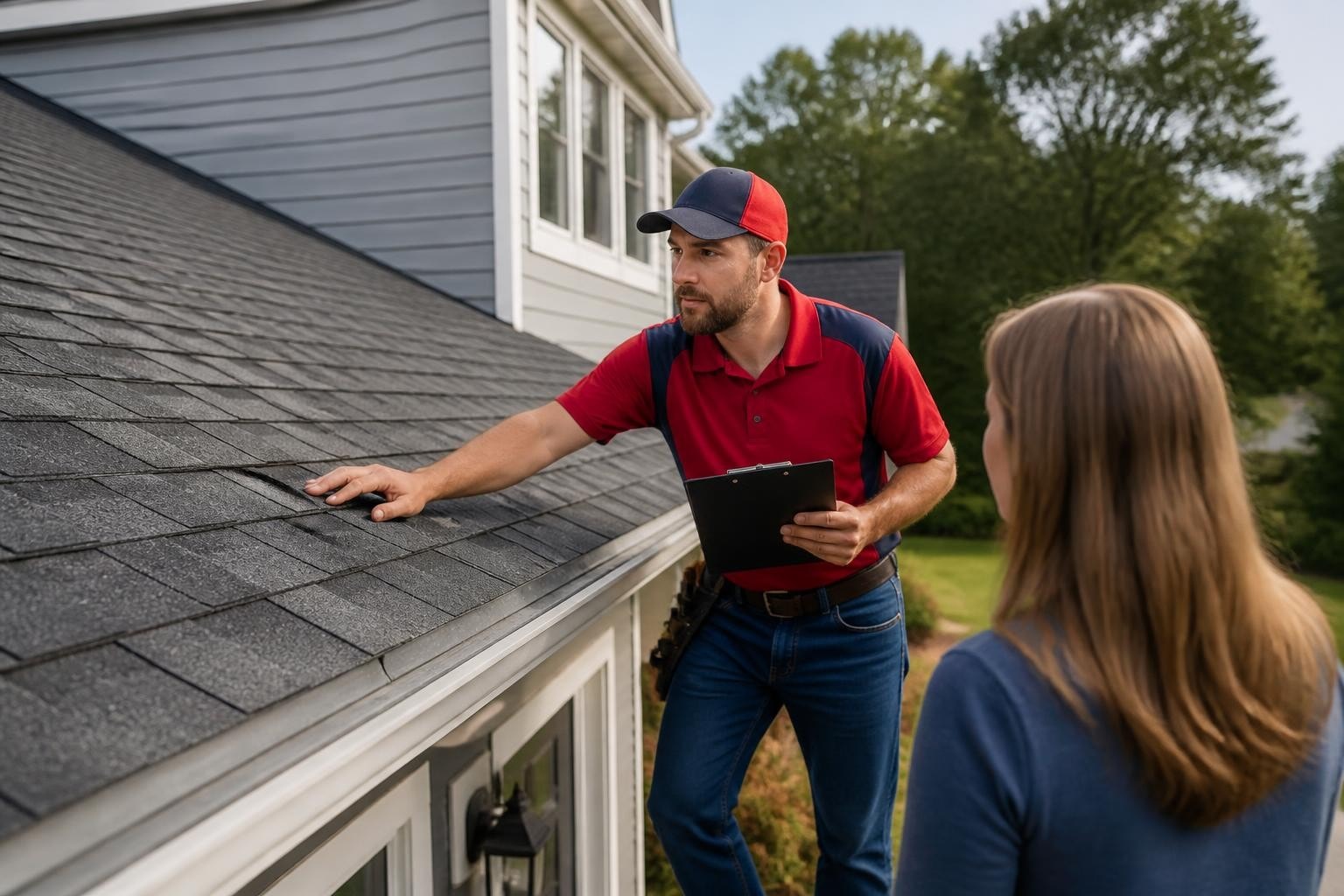
Reputable home roofing contractors provide thorough inspections before presenting estimates. This assessment should include attic ventilation evaluation, decking condition inspection, and identification of any structural concerns that might affect the new roof's performance.
During consultations, contractors should explain their findings clearly, discuss material options with honest pros and cons for each, and answer questions without pressure tactics. They recognize that homeowners need time to consider significant investments and compare proposals from multiple providers.
Understanding Detailed Proposals
Professional estimates break down all project components, from tear-off and disposal through final cleanup. This transparency helps homeowners understand exactly what they're paying for and compare proposals accurately. Vague estimates lacking detail often lead to disputes when unexpected charges appear.
Quality proposals specify:
- Material specifications including brand, grade, and color selections
- Labor scope detailing each phase of work
- Timeline expectations with start and completion dates
- Payment schedule tied to project milestones
- Warranty coverage for both materials and installation
When reviewing material options, consider resources like this comprehensive roofing materials guide that explains different types and their performance characteristics.
Installation Standards and Best Practices
Professional installation separates quality contractors from those simply trying to complete jobs quickly. Proper techniques ensure your roof performs as designed, protecting your home for decades rather than requiring premature replacement.
Critical Installation Components
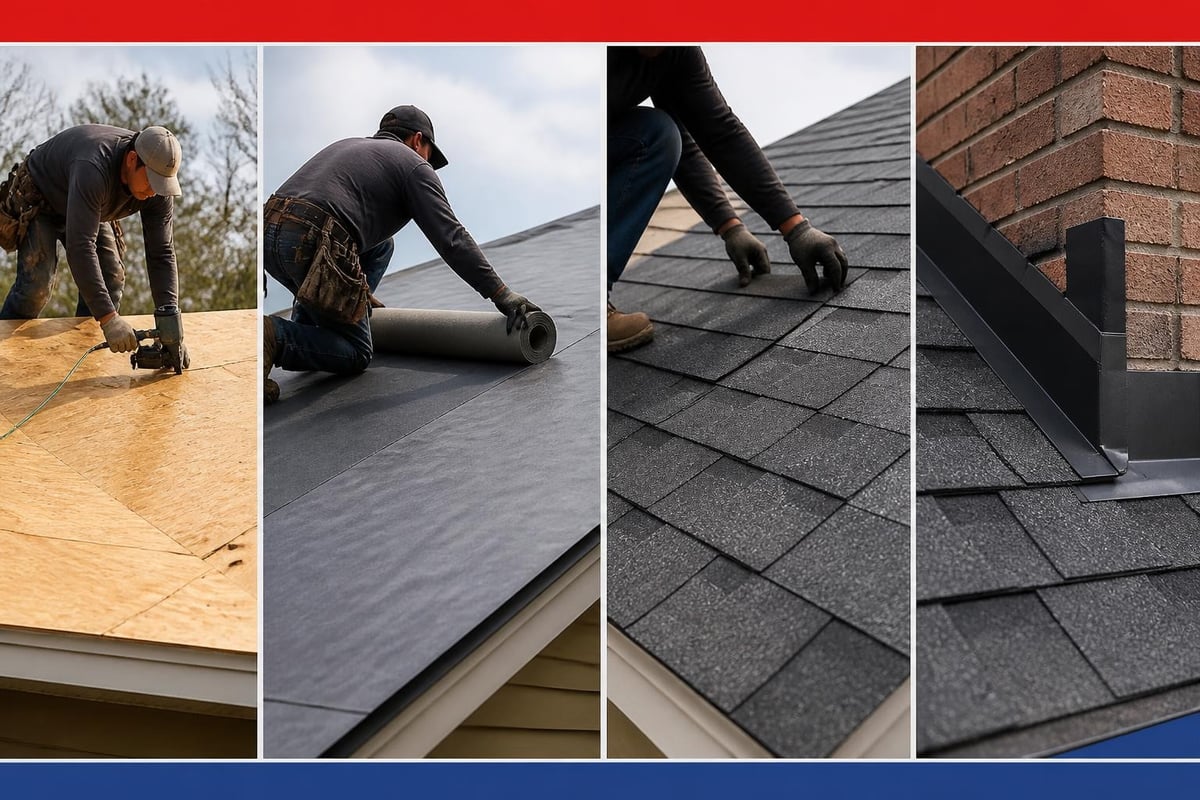
Experienced home roofing contractors follow manufacturer specifications precisely, understanding that deviations can void warranties and compromise performance. They prepare roof decks properly, replace damaged sheathing, and ensure adequate ventilation before installing new materials.
Key installation elements include:
- Thorough deck inspection identifying and replacing compromised sheathing
- Quality underlayment providing secondary water protection
- Proper flashing installation around chimneys, vents, and valleys
- Correct fastener placement ensuring wind resistance
- Adequate ventilation preventing moisture buildup and heat damage
The importance of proper flashing installation cannot be overstated, as these components prevent water infiltration at vulnerable roof penetrations and transitions. Many leak problems trace back to inadequate flashing rather than shingle failures.
Material-Specific Techniques
Different roofing systems require specialized installation approaches. Asphalt shingle applications differ significantly from modified bitumen installations on commercial flat roofs. Contractors specializing in residential shingle roofing understand nuances like proper exposure, alignment techniques, and how weather conditions affect installation timing.
Modified bitumen systems used on commercial properties demand different expertise, including torch application safety, proper seam overlaps, and drainage considerations unique to low-slope applications. Contractors working across both residential and commercial sectors bring broader knowledge that benefits complex projects.
Common Mistakes to Avoid
Homeowners sometimes make decisions that compromise their roofing investment, often without realizing the long-term consequences. Understanding these pitfalls helps you avoid costly errors that could require premature roof replacement.
Prioritizing Price Over Quality
Selecting contractors based solely on the lowest bid frequently leads to disappointment. Extremely low prices may indicate the use of inferior materials, inadequate insurance coverage, or inexperienced crews who lack proper training. This guide to common roofing mistakes highlights how cutting corners during selection often creates expensive problems later.
Quality home roofing contractors price their services to reflect proper materials, skilled labor, comprehensive insurance, and business sustainability. While you shouldn't overpay, reasonable pricing protects your investment through superior workmanship and accountability.
Neglecting to Verify Credentials
Skipping credential verification exposes homeowners to significant risks. Unlicensed contractors may lack the expertise to identify structural issues, might not carry proper insurance, and often disappear when problems arise. Always request proof of licensing, current insurance certificates, and references from recent projects.
Manufacturer certifications indicate contractors have received specific training on proper installation techniques for the products they're installing. These certifications often come with enhanced warranty coverage that protects your investment beyond standard material warranties.
Storm Damage and Insurance Claims
Severe weather events frequently necessitate roofing repairs or replacements, creating unique challenges for homeowners navigating insurance claim processes. Experienced home roofing contractors familiar with insurance procedures provide valuable assistance during these stressful situations.
Working with Insurance Adjusters
Contractors experienced in storm damage assessment understand how to document damage thoroughly, communicate effectively with insurance adjusters, and advocate for appropriate claim settlements. They identify all storm-related damage, from obvious shingle losses to subtle hail impacts that might otherwise be overlooked.
The claim process involves multiple steps:
- Initial damage assessment by your chosen contractor
- Insurance notification and claim filing
- Adjuster inspection to evaluate damage extent
- Estimate comparison between contractor and insurance assessments
- Negotiation and approval of claim settlement
- Project completion using approved funds
Understanding how to navigate roof damage insurance claims helps homeowners maximize their coverage while avoiding common pitfalls that might reduce settlements or cause claim denials.
Identifying Different Storm Damage Types
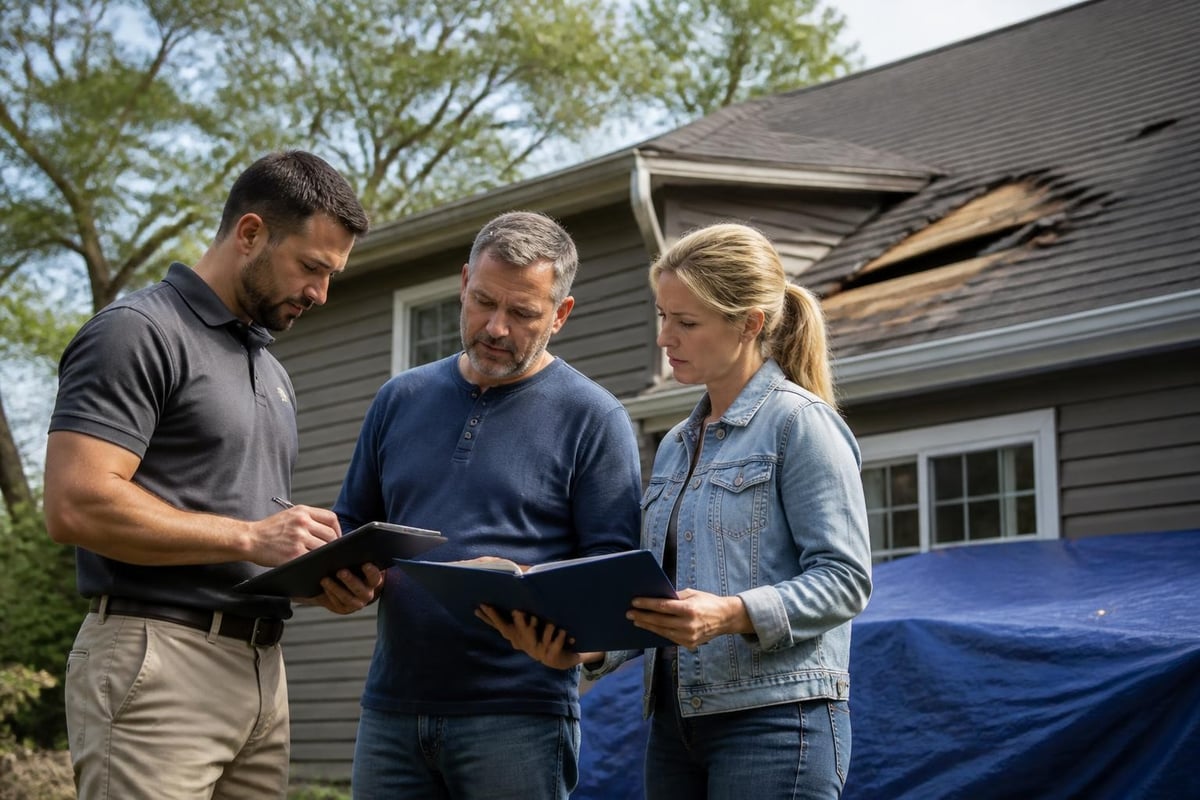
Different weather events create distinct damage patterns. Hail produces specific impact marks on shingles, wind damage shows missing or lifted shingles, and ice dams cause water intrusion along eaves. Contractors experienced in identifying hail damage recognize subtle indicators that inexperienced observers might miss.
Proper documentation includes photographs, measurements, and detailed notes about damage location and severity. This thorough approach supports insurance claims and ensures nothing gets overlooked during the repair or replacement process.
Quality Assurance and Workmanship Standards
Professional home roofing contractors adhere to established workmanship standards that govern installation quality, material application, and structural compliance. These standards, detailed by organizations like Contractor Standards, create measurable benchmarks for acceptable work quality.
Project Oversight and Communication
Excellent contractors maintain consistent communication throughout projects, providing updates about progress, addressing concerns promptly, and ensuring homeowners understand each phase of work. They assign dedicated project managers who serve as single points of contact, eliminating confusion and streamlining decision-making.
Quality oversight includes regular inspections at critical installation phases, verification that crews follow proper techniques, and confirmation that all work meets both manufacturer specifications and local building codes. The NRCA’s guidance on codes and standards provides comprehensive information about regulatory requirements affecting roofing installations.
Final Inspections and Cleanup
Professional contractors conduct thorough final inspections before requesting final payment, ensuring all aspects meet quality standards. They use magnetic tools to collect loose nails, remove all debris, and leave your property cleaner than they found it.
Final walkthroughs with homeowners allow contractors to explain maintenance requirements, point out warranty registration procedures, and answer any remaining questions. This educational component helps homeowners protect their investment through proper ongoing care.
Long-Term Maintenance and Contractor Relationships
The relationship with quality home roofing contractors shouldn't end when installation completes. Establishing ongoing maintenance relationships ensures your roof receives proper care throughout its lifespan, maximizing performance and longevity.
Scheduled Maintenance Programs
Proactive maintenance identifies minor issues before they become major problems. Regular inspections catch loose shingles, damaged flashing, or clogged gutters that could compromise your roof's protective function. These roof maintenance best practices outline specific tasks and inspection schedules that extend roof system lifespan.
Typical maintenance activities include:
- Semi-annual inspections checking for damage or wear
- Gutter cleaning ensuring proper water drainage
- Shingle replacement addressing isolated damage
- Flashing repairs maintaining waterproof seals
- Ventilation verification preventing moisture problems
Contractors offering maintenance programs often provide priority scheduling, discounted service rates, and extended warranty coverage for customers who maintain regular inspection schedules.
Building Trust Through Consistent Service
Family-owned contractors serving local communities often prioritize long-term customer relationships over short-term profits. They understand that reputation depends on satisfied customers who refer friends and neighbors, creating incentives for exceptional service quality.
Local contractors like those providing residential roofing services throughout the Joliet area build their businesses on community trust, knowing that each project represents not just current revenue but future referrals and repeat business. This accountability creates strong motivation to exceed expectations consistently.
Evaluating Contractor Specializations
While many home roofing contractors offer general services, some develop particular expertise in specific areas. Understanding these specializations helps match contractors to your project's unique requirements.
Residential vs. Commercial Experience
Residential roofing focuses primarily on pitched roof systems using asphalt shingles, metal panels, or tile materials. Commercial applications often involve flat or low-slope roofs utilizing modified bitumen, TPO, EPDM, or built-up roofing systems. Contractors working across both sectors understand diverse material properties and installation requirements.
Projects involving both residential and commercial elements benefit from contractors experienced in multiple systems. They bring broader perspective and can recommend optimal solutions based on extensive hands-on experience with various materials and applications.
Storm Damage Specialists
Contractors specializing in storm damage restoration develop specific expertise in insurance claim processes, emergency repairs, and rapid response protocols. They maintain relationships with insurance adjusters, understand regional weather patterns, and stock materials for quick deployment after severe events.
This specialization proves particularly valuable in areas experiencing frequent severe weather, where homeowners need contractors who can respond quickly while navigating complex insurance procedures efficiently.
Making Your Final Decision
After researching contractors, comparing proposals, and verifying credentials, homeowners must make final selections. This decision impacts your home's protection, property value, and peace of mind for years to come.
| Decision Factor | Considerations | Weight in Decision |
|---|---|---|
| Experience & Reputation | Years in business, customer feedback | High |
| Insurance & Licensing | Current coverage, proper credentials | Critical |
| Communication Quality | Responsiveness, clarity, professionalism | High |
| Proposal Detail | Comprehensive scope, clear pricing | High |
| Warranty Coverage | Duration, what's included, transferability | Medium-High |
| Local Presence | Permanent location, community ties | Medium |
Trusting Your Instincts
Beyond objective criteria, pay attention to subjective impressions. Did the contractor listen carefully to your concerns? Were they patient with questions? Did they pressure you toward quick decisions or encourage thoughtful consideration?
Professional home roofing contractors respect the decision-making process, recognizing that roofing investments represent significant financial commitments requiring careful evaluation. They provide information needed for informed decisions without aggressive sales tactics or artificial urgency.
The Value of Local Expertise
Contractors deeply familiar with your region understand local building codes, climate challenges, and material performance under specific weather conditions. This knowledge proves invaluable when selecting appropriate materials and installation techniques that address regional factors affecting roof longevity.
Local presence also ensures accountability. Contractors operating within their communities maintain reputations built over years of service to neighbors and friends. They're invested in customer satisfaction because their business success depends directly on community perception and referral generation.
When selecting professionals for quality roofing services, prioritize contractors with established local histories, permanent facilities, and deep community roots that demonstrate long-term commitment to the area.
Selecting qualified home roofing contractors requires careful evaluation of credentials, experience, and service standards that distinguish exceptional professionals from average providers. The right contractor protects your investment through quality materials, expert installation, and ongoing support that extends your roof's functional lifespan. Great Roofing brings family-owned dedication and comprehensive roofing expertise to Joliet area homeowners, delivering the professional service and quality workmanship your home deserves. Contact our team today to schedule a thorough inspection and detailed proposal for your roofing project.