


When most homeowners and property managers think about roof replacement, they envision new shingles or exterior membrane installation. However, the interior components of your roofing system often require just as much attention and may need replacement before visible exterior problems emerge. Interior roof replacement involves addressing the structural deck, insulation, vapor barriers, ventilation systems, and support framing that comprise the foundation of your entire roofing assembly. Understanding when and why these interior elements need replacement is essential for maintaining building integrity and preventing costly damage to your Joliet property.
Understanding Interior Roof Replacement Components
The interior roof system consists of multiple layers working together to protect your property from weather, regulate temperature, and support the exterior roofing materials. The structural deck serves as the foundation, typically composed of plywood or oriented strand board (OSB) that spans across roof trusses or rafters.
Structural Deck Assessment
The roof deck bears the weight of all roofing materials while providing a nailing surface for shingles or membranes. Over time, moisture infiltration, age, or structural stress can compromise deck integrity. Signs of deck failure include:
- Visible sagging or dips in the roofline
- Water stains on interior ceilings
- Soft or spongy areas when walking on the roof
- Cracked or delaminated sheathing boards
- Nail pops or fastener withdrawal
Professional contractors often discover deck damage during exterior roof inspections, making interior roof replacement a necessary part of the overall project. According to roofing best practices outlined by industry experts, proper deck preparation is fundamental to successful roof replacement.
Insulation and Thermal Barriers
Insulation within the roof assembly regulates energy efficiency and prevents heat transfer between conditioned interior spaces and the external environment. Damaged or inadequate insulation results in higher energy bills, inconsistent indoor temperatures, and potential moisture problems.
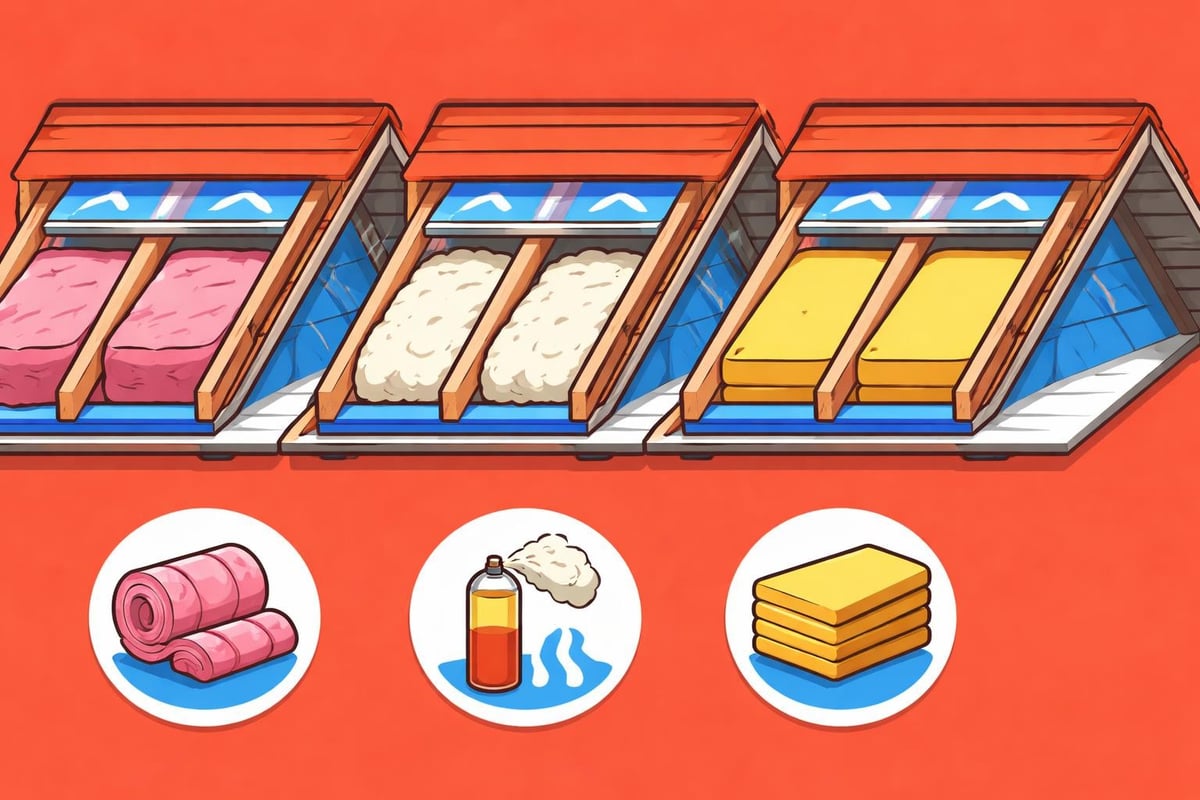
Modern building codes in 2026 require specific R-values depending on your climate zone, and older homes often fall short of current standards. When performing interior roof replacement, upgrading insulation provides an excellent opportunity to improve building performance and reduce long-term operating costs.
When Interior Roof Replacement Becomes Necessary
Determining the right time for interior roof replacement requires careful assessment by experienced professionals. Several indicators suggest that interior components need attention beyond simple repairs.
Moisture and Water Damage
Water infiltration represents the most common reason for interior roof replacement. Even minor leaks can cause extensive damage over time, affecting multiple layers of the roof assembly. Moisture compromises structural integrity, promotes mold growth, and destroys insulation effectiveness.
Property owners should watch for these warning signs:
- Discoloration or staining on ceilings and walls
- Musty odors in upper floor rooms or attics
- Visible mold or mildew growth
- Peeling paint or wallpaper near the roofline
- Increased energy consumption without explanation
Great Roofing's experienced team can identify moisture damage during comprehensive inspections, helping Joliet homeowners address problems before they escalate. Similar to how hail damage to asphalt shingles requires immediate attention, interior water damage demands prompt professional evaluation.
Structural Degradation
Age, environmental stress, and design deficiencies can weaken roof framing and decking. Buildings constructed before modern code requirements often lack adequate structural support, making interior roof replacement necessary during renovation projects.
| Structural Issue | Typical Cause | Replacement Priority |
|---|---|---|
| Sagging rafters | Inadequate sizing or spacing | High |
| Rotted decking | Chronic moisture exposure | Critical |
| Truss damage | Age, overloading, or impact | High |
| Inadequate bracing | Original design deficiency | Medium |
| Termite damage | Pest infestation | Critical |
Professional structural analysis determines whether repairs suffice or complete interior roof replacement is required. The structural considerations discussed in facilities management apply equally to residential and commercial properties.
Code Compliance and Building Standards
Building codes evolve to incorporate improved safety standards, energy efficiency requirements, and construction techniques. Properties built decades ago may not meet current 2026 standards for fire resistance, insulation, or ventilation.
When selling property or making significant renovations, bringing the roof assembly into code compliance often necessitates interior roof replacement. This ensures legal compliance and provides peace of mind that your building meets contemporary safety standards.
The Interior Roof Replacement Process
Understanding what interior roof replacement entails helps property owners prepare for the project scope, duration, and disruption. Professional contractors follow systematic approaches to ensure quality outcomes.
Inspection and Assessment
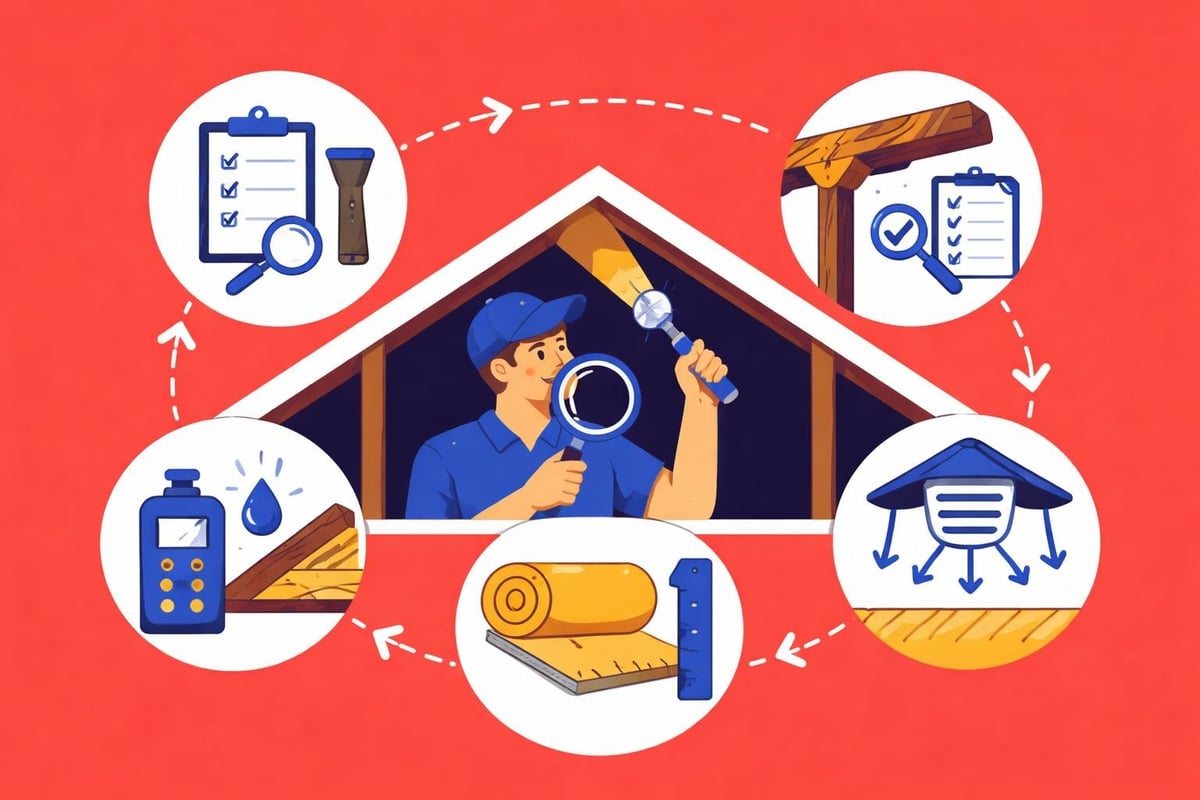
Every successful interior roof replacement begins with thorough inspection. Contractors examine accessible areas from inside the building and the attic space, documenting existing conditions and identifying all deficiencies.
Comprehensive inspections evaluate:
- Structural framing for signs of stress, damage, or inadequate capacity
- Decking condition including fastener withdrawal and material degradation
- Insulation type, depth, and effectiveness compared to current standards
- Ventilation adequacy to prevent moisture accumulation and heat buildup
- Existing vapor barriers and their condition
Great Roofing provides detailed inspection reports that outline recommended work, prioritize needs, and establish realistic project timelines. This transparency helps Joliet property owners make informed decisions about their roofing investments.
Material Selection and Preparation
Selecting appropriate materials for interior roof replacement depends on building type, local climate, budget constraints, and performance goals. Modern materials offer improved performance compared to products available even a decade ago.
Decking options include traditional plywood, OSB, and specialized moisture-resistant sheathing designed for high-performance applications. Insulation choices range from traditional fiberglass batts to spray foam systems that provide superior air sealing and R-value per inch.
The seven steps to successful residential roof replacement emphasize proper material selection as foundational to project success, applicable to both interior and exterior components.
Installation and Quality Control
Professional interior roof replacement follows specific sequences to ensure each layer integrates properly with adjacent components. Contractors typically remove existing damaged materials, address any structural repairs, install new decking, apply vapor barriers, add insulation, and establish proper ventilation.
Quality control measures include:
- Verifying all structural repairs meet engineering specifications
- Ensuring proper fastener spacing and penetration depth
- Confirming insulation achieves specified R-values throughout
- Testing ventilation pathways for adequate airflow
- Inspecting all penetrations and transitions for proper sealing
Working with experienced professionals like those on Great Roofing’s team ensures these critical details receive proper attention, preventing future problems and maximizing system performance.
Cost Considerations and Budget Planning
Interior roof replacement represents a significant investment, with costs varying based on project scope, materials selected, and building characteristics. Understanding cost factors helps property owners budget appropriately and avoid unexpected expenses.
Factors Affecting Project Cost
Multiple variables influence the total cost of interior roof replacement. Building size and complexity directly impact labor requirements and material quantities. Roof pitch affects worker safety requirements and installation difficulty, with steeper roofs demanding higher labor costs.
Material choices significantly impact project budgets. Basic plywood decking and fiberglass insulation cost less than premium moisture-resistant sheathing and spray foam systems, but long-term performance differences may justify higher initial investment.
Access challenges increase costs when limited attic access or confined spaces complicate material delivery and installation. Buildings requiring temporary supports during structural repairs incur additional engineering and labor expenses.
| Cost Component | Typical Range | Impact on Total Cost |
|---|---|---|
| Structural repairs | $2-$8 per sq ft | Medium to High |
| Deck replacement | $3-$6 per sq ft | Medium |
| Insulation upgrade | $1.50-$4 per sq ft | Low to Medium |
| Ventilation installation | $500-$2,500 total | Low |
| Labor and permits | Varies by region | Medium |
Return on Investment
While interior roof replacement requires upfront investment, the returns justify the expense through improved energy efficiency, extended roof system lifespan, and prevention of catastrophic damage. Properties with properly maintained roof assemblies command higher resale values and attract quality tenants.
Energy savings alone can offset replacement costs over time, particularly when upgrading from minimal insulation to modern high-performance systems. Preventing water damage protects valuable interior finishes, furnishings, and building contents from expensive moisture-related losses.
Selecting the Right Contractor
Choosing an experienced, reputable contractor is crucial for successful interior roof replacement. The complexity of working with structural components and building science principles demands expertise beyond basic roofing installation skills.
Essential Contractor Qualifications
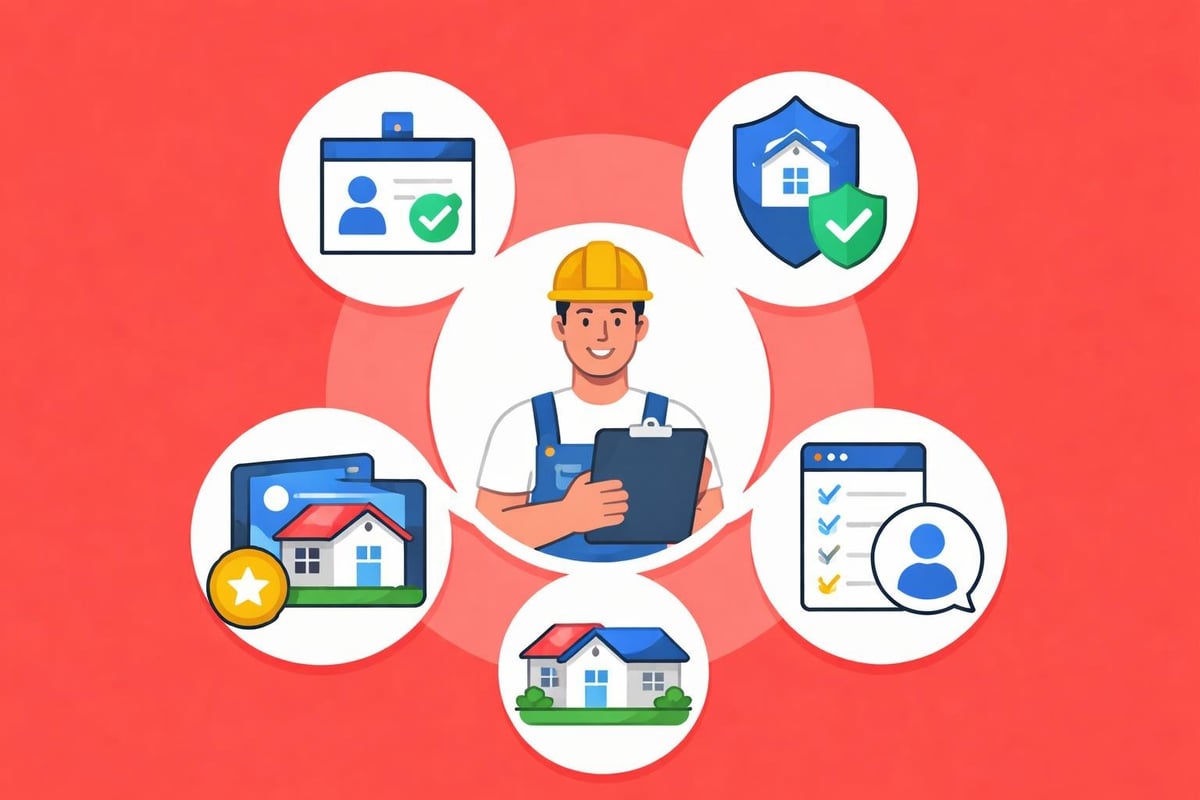
Qualified contractors possess proper licensing, comprehensive insurance coverage, and demonstrated experience with interior roof components. They understand building codes, structural requirements, and integration between different roof assembly layers.
Look for contractors who:
- Provide detailed written estimates outlining all work scope
- Offer references from comparable projects
- Maintain manufacturer certifications for specified products
- Employ trained, experienced installation crews
- Stand behind their work with comprehensive warranties
Great Roofing's family-owned business built its reputation on quality workmanship and customer satisfaction throughout the Joliet area. Their expertise with both residential shingle systems and commercial modified bitumen applications ensures they understand the full spectrum of interior roof replacement requirements.
Avoiding Common Mistakes
Property owners can protect their investment by avoiding common roof replacement mistakes that compromise project outcomes. Choosing contractors based solely on lowest price often results in cut corners, inferior materials, or inadequate workmanship.
Failing to address interior components during exterior roof replacement represents a missed opportunity. When contractors already have scaffolding erected and roof access established, completing interior roof replacement simultaneously maximizes efficiency and minimizes overall project costs.
Commercial vs. Residential Considerations
Interior roof replacement requirements differ between commercial and residential applications, reflecting distinct building codes, use patterns, and performance expectations. Understanding these differences ensures appropriate approaches for each property type.
Residential Interior Roof Systems
Residential properties typically feature sloped roofs with attic spaces providing accessible pathways for inspection and maintenance. Interior roof replacement in homes often focuses on individual components rather than complete system overhauls.
Homeowners benefit from choosing appropriate roofing materials that integrate properly with interior components, ensuring the complete assembly functions as designed. Proper attic ventilation prevents moisture accumulation and extends material lifespan.
Commercial Building Requirements
Commercial properties frequently utilize low-slope or flat roof designs with different structural systems and performance demands. The guidelines for low-slope reroofing address unique considerations for these applications.
Commercial interior roof replacement often involves:
- Heavier structural loading from HVAC equipment and foot traffic
- More complex drainage systems and multiple roof penetrations
- Stricter fire resistance and wind uplift requirements
- Coordination with business operations to minimize disruption
Great Roofing's experience with commercial modified bitumen systems positions them to handle the specialized requirements of commercial interior roof replacement projects throughout the Joliet area.
Integration with Exterior Roofing Systems
Interior roof replacement must integrate seamlessly with exterior roofing materials to create a cohesive, high-performance assembly. Proper coordination between interior and exterior components prevents failures and maximizes system longevity.
Ventilation and Moisture Management
Adequate ventilation prevents moisture accumulation within roof assemblies, protecting both interior components and exterior materials. Balanced intake and exhaust ventilation maintains airflow that regulates temperature and removes water vapor.
Modern building science emphasizes the importance of air sealing at the interior barrier while providing ventilation pathways above insulation. This approach prevents warm, moisture-laden air from entering the roof assembly where it can condense and cause damage.
Thermal Performance Optimization
The roof assembly's thermal performance depends on proper integration between insulation, air barriers, and ventilation systems. Gaps in insulation coverage create thermal bridges that reduce overall R-value and increase energy costs.
When planning interior roof replacement, coordinate insulation depth and type with roof pitch and ventilation requirements. Some roof configurations accommodate thick insulation better than others, requiring creative solutions to achieve target performance levels.
Experienced contractors like those working with storm damage roofers understand how severe weather impacts both interior and exterior roof components, enabling comprehensive repair approaches that address the complete system.
Maintenance and Long-Term Performance
Completing interior roof replacement represents a significant investment in building protection and performance. Proper maintenance extends system lifespan and prevents premature component failure.
Ongoing Inspection Protocols
Regular inspections identify minor issues before they escalate into major problems requiring extensive repairs. Schedule professional inspections annually and after severe weather events to catch problems early.
Property owners should monitor for:
- New water stains or discoloration on ceilings
- Changes in energy consumption patterns
- Unusual odors suggesting moisture or mold
- Visible damage to exterior roofing materials
- Ice dam formation during winter months
Great Roofing offers maintenance programs that include regular inspections, helping Joliet property owners protect their roofing investments through proactive care.
Performance Monitoring
Track building performance metrics to ensure interior roof replacement delivers expected benefits. Compare energy bills before and after replacement to quantify efficiency improvements. Monitor indoor comfort levels and temperature consistency throughout the building.
Document any changes in moisture levels, particularly in attic spaces or upper floor rooms. Unexpected humidity increases may indicate ventilation problems or air barrier failures requiring professional attention.
Planning Your Interior Roof Replacement Project
Successful interior roof replacement requires careful planning, realistic scheduling, and clear communication between property owners and contractors. Advance preparation minimizes disruptions and ensures smooth project execution.
Timeline Development
Interior roof replacement timelines vary based on project scope, weather conditions, and material availability. Simple deck repairs on small residential properties may complete within days, while comprehensive commercial interior roof replacement can require weeks.
Work with contractors to establish realistic schedules that account for:
- Material procurement and delivery lead times
- Weather windows suitable for open roof conditions
- Coordination with other building trades
- Required inspection and approval timelines
- Occupant notification and displacement needs
Project Preparation Steps
Property owners facilitate efficient project completion through proper preparation. Clear attic access and remove stored items from work areas. Protect valuable furnishings and interior finishes from dust and debris.
Communicate project schedules with building occupants, explaining potential noise, access restrictions, and temporary inconveniences. For commercial properties, coordinate work schedules to minimize business disruption.
When dealing with storm damage insurance claims, ensure interior roof replacement is properly documented and included in claim submissions. Insurance coverage may extend to interior components when storm damage compromises the complete roof assembly.
Interior roof replacement protects your property investment by addressing critical structural, insulation, and ventilation components that form the foundation of a high-performance roofing system. Whether you need comprehensive interior roof replacement or targeted repairs to specific components, partnering with experienced professionals ensures quality outcomes that stand the test of time. Great Roofing brings decades of family-owned expertise to every project, serving Joliet homeowners and commercial property owners with the same commitment to quality workmanship and customer satisfaction. Contact Great Roofing today to schedule a comprehensive roof inspection and discuss how interior roof replacement can protect and enhance your property.