


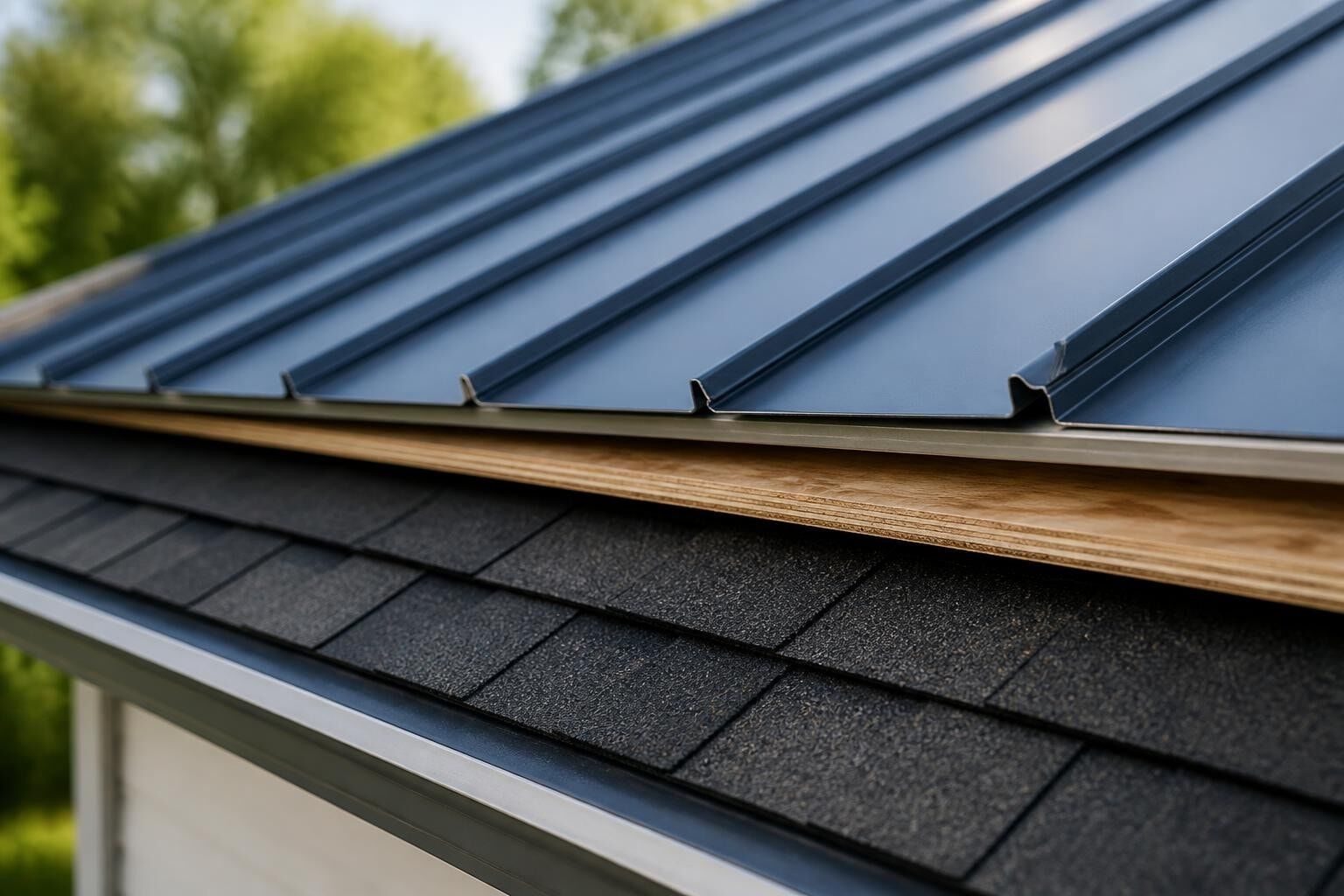
Homeowners considering a roof upgrade often ask whether they can install a metal roof directly over their existing asphalt shingles. This installation method has gained significant traction in recent years as property owners seek cost-effective, time-efficient solutions for roof replacement. Understanding the technical requirements, building code compliance, and potential benefits of installing a metal roof with asphalt shingles underneath requires careful evaluation of multiple factors including structural capacity, local regulations, and long-term performance expectations.
Understanding the Metal Over Shingle Installation Method
Installing a metal roof with asphalt shingles as an underlayer represents a retrofit approach that can reduce installation time and labor costs. This technique involves securing metal roofing panels directly over existing shingle roofs rather than performing a complete tear-off of the old roofing material.
The primary advantage of this approach centers on reduced waste disposal and faster project completion. Property owners avoid the expense and environmental impact of removing and hauling away old shingles, which can weigh several tons depending on roof size and the number of existing shingle layers.
Key Benefits of Layover Installation
Installing metal roofing over existing shingles offers several compelling advantages:
- Cost reduction through eliminated tear-off and disposal expenses
- Faster installation timeline with fewer labor hours required
- Additional insulation from the existing shingle layer
- Reduced environmental impact by keeping old materials out of landfills
- Minimal disruption to building occupants during installation
However, this installation method requires careful assessment to ensure structural adequacy and code compliance. The structural requirements for installing metal roofs over asphalt shingles demand thorough evaluation before proceeding with any layover project.

Building Code Requirements and Compliance
Before proceeding with a metal roof installation over existing shingles, understanding local building codes remains absolutely essential. Most jurisdictions limit the number of roofing layers permitted on residential structures, typically allowing no more than two layers total.
Critical Code Considerations
Building officials evaluate several factors when reviewing metal over shingle applications:
- Total roof weight including structural members, decking, existing shingles, and new metal
- Structural capacity of roof framing and foundation to support additional load
- Existing roof condition and remaining service life of current materials
- Fire rating requirements for the complete roofing assembly
- Wind uplift resistance to meet local weather exposure ratings
| Code Element | Typical Requirement | Verification Method |
|---|---|---|
| Maximum Layers | 2 total layers | Visual inspection, permit records |
| Structural Load | Per engineering calculation | Professional structural assessment |
| Fire Rating | Class A preferred | Product certification documentation |
| Wind Resistance | Regional wind speed compliance | Manufacturer specifications |
Working with experienced metal roof installers ensures proper code compliance and eliminates potential issues during inspection. Professional contractors understand regional requirements and can navigate the permitting process efficiently.
Structural Assessment and Roof Deck Evaluation
The existing roof structure must possess adequate strength to support the combined weight of old shingles and new metal panels. A comprehensive structural evaluation identifies potential issues before installation begins.
Professional roof inspectors examine several critical components during structural assessment. The roof decking must remain solid, dry, and free from rot or deterioration. Any compromised sections require repair or replacement before metal installation proceeds.
Deck Condition Requirements
A metal roof with asphalt shingles underneath demands a sound substrate to ensure long-term performance. Inspectors check for:
- Moisture damage from previous leaks or condensation issues
- Proper ventilation to prevent future moisture accumulation
- Deck fastening adequacy to support metal panel attachment
- Surface flatness to ensure proper metal panel alignment
The existing shingle surface should be relatively smooth without significant cupping, curling, or missing shingles. Severe shingle deterioration may necessitate removal rather than layover installation. According to MBCI’s guidance on metal roofing retrofits, proper surface preparation significantly impacts final installation quality.
Underlayment Selection and Installation
Proper underlayment installation between existing shingles and new metal roofing provides critical weather protection and prevents potential issues. The underlayment choice affects moisture management, thermal performance, and overall system longevity.
Underlayment Material Options
Several underlayment types work effectively for metal over shingle installations:
- Synthetic underlayment offers superior tear resistance and UV stability
- Roofing felt provides traditional protection at lower material cost
- High-temperature ice and water shield protects vulnerable areas like valleys and eaves
- Breathable membranes allow moisture vapor transmission while blocking liquid water
The importance of proper underlayment when installing metal roofs over asphalt shingles cannot be overstated. This critical layer prevents condensation issues and provides backup protection against water infiltration.
| Underlayment Type | Cost Level | Durability | Best Application |
|---|---|---|---|
| Synthetic | Medium-High | Excellent | Entire roof surface |
| #30 Felt | Low | Good | Budget-conscious projects |
| Ice & Water Shield | High | Superior | Valleys, eaves, penetrations |
| Breathable Membrane | High | Excellent | Condensation-prone areas |
Installation Process and Best Practices
Installing a metal roof with asphalt shingles requires methodical execution following manufacturer specifications and industry standards. The installation sequence ensures weather protection throughout the process and delivers optimal long-term performance.
Step-by-Step Installation Overview
Professional installers follow a systematic approach:
- Surface preparation including cleaning debris and securing loose shingles
- Underlayment installation starting from eaves and working toward ridge
- Drip edge installation to protect fascia and direct water away from structure
- Valley treatment with additional waterproofing measures
- Metal panel installation beginning at eaves with proper overlap and fastening
- Ridge cap installation to seal the roof peak and complete the system
- Trim and flashing installation around penetrations, walls, and transitions
The role of drip edges in metal roof installations provides essential weather protection by directing water away from fascia boards and preventing moisture intrusion. Proper flashing details at all roof penetrations and transitions ensure complete water tightness.
Quality installation requires appropriate fastener selection and spacing. Metal roofing fasteners must penetrate through shingles and underlayment into solid roof decking. Fastener patterns follow manufacturer specifications to ensure adequate wind uplift resistance and prevent panel movement.
Regional Considerations and Climate Factors
Geographic location significantly influences the viability and requirements for installing metal roofing over existing shingles. Climate conditions, weather patterns, and local building traditions all affect installation specifications.
Weather-Related Installation Factors
Different regions present unique challenges for metal over shingle installations:
- High wind zones require enhanced fastening schedules and panel attachment
- Heavy snow areas demand structural verification for increased load capacity
- Hot climates benefit from reflective metal coatings over dark shingles
- High humidity regions need superior ventilation to prevent moisture issues
Regional building codes for installing metal roofs over shingles vary considerably based on local conditions. Florida's requirements differ substantially from those in northern states due to hurricane exposure and different climate challenges.
For homeowners in the Joliet area and throughout Illinois, understanding local requirements ensures compliance and optimal performance. Working with certified roofing specialists familiar with regional conditions provides peace of mind and quality results.
Cost Analysis and Financial Considerations
The financial aspects of installing a metal roof with asphalt shingles underneath involve multiple cost factors beyond simple material prices. Understanding the complete economic picture helps property owners make informed decisions.
Cost Comparison Breakdown
| Cost Category | Metal Over Shingles | Complete Tear-Off | Savings |
|---|---|---|---|
| Tear-off Labor | $0 | $1,500-$3,000 | High |
| Disposal Fees | $0 | $800-$1,500 | High |
| Material Costs | Similar | Similar | None |
| Installation Labor | $3,000-$6,000 | $3,500-$7,000 | Medium |
| Total Project | $6,000-$12,000 | $8,000-$15,000 | 15-25% |
While layover installation typically costs less initially, certain scenarios justify complete tear-off despite higher expenses. Severely damaged decking, multiple existing shingle layers, or significant structural concerns may necessitate full removal before metal installation.
The long-term value proposition extends beyond initial installation costs. Metal roofing typically lasts 40-70 years compared to 15-25 years for asphalt shingles, providing superior lifecycle value despite higher upfront investment.
Performance Expectations and Longevity
A properly installed metal roof with asphalt shingles underneath delivers excellent long-term performance when executed according to manufacturer specifications and building codes. Understanding realistic expectations helps property owners appreciate the system's capabilities and limitations.
Long-Term Performance Factors
Several elements influence the durability and longevity of metal over shingle installations:
- Ventilation adequacy prevents moisture accumulation between layers
- Fastener quality ensures panels remain secured through severe weather
- Thermal movement accommodation through proper panel attachment
- Regular maintenance including debris removal and fastener inspection
Metal roofing systems expand and contract with temperature changes. Proper installation techniques accommodate this movement without creating stress points or fastener withdrawal. Using appropriate fasteners with neoprene washers prevents water intrusion at attachment points.
The existing shingle layer provides additional thermal mass and minor insulation value. However, this benefit remains modest compared to dedicated insulation products. Property owners seeking significant energy efficiency improvements should consider adding rigid insulation boards during installation.
Maintenance Requirements and Care
Metal roofs installed over asphalt shingles require minimal maintenance compared to traditional shingle roofs. However, periodic inspection and basic care ensure optimal performance throughout the system's service life.
Essential Maintenance Tasks
Responsible property owners perform regular roof maintenance:
- Annual inspections to identify loose fasteners, damaged panels, or sealant failure
- Debris removal from valleys, gutters, and roof surface
- Fastener tightening as needed to prevent panel movement
- Valley cleaning to ensure proper water drainage
- Penetration sealing around vents, chimneys, and other roof openings
Professional roof inspection services identify potential issues before they develop into significant problems. Catching minor concerns early prevents costly repairs and extends roof lifespan.
Walking on metal roofs requires appropriate footwear and caution to prevent panel damage. Property owners should avoid walking on metal roofing whenever possible and consult professionals for any necessary roof access.
Common Installation Challenges and Solutions
Despite its advantages, installing metal roofing over existing shingles presents certain challenges that experienced contractors navigate successfully. Understanding potential issues helps property owners set realistic expectations.
Typical Installation Obstacles
Professional installers encounter and resolve various challenges:
- Uneven shingle surfaces requiring furring strips for panel alignment
- Ridge ventilation adaptation to accommodate new metal system
- Valley transitions between metal and adjoining roof sections
- Flashing integration with existing building components
Experienced contractors develop proven solutions for common obstacles. Furring strips installed over shingles create a level surface for metal panel attachment while providing additional ventilation space. This approach works particularly well when existing shingles show minor cupping or waviness.
The comprehensive approach to installing metal roofs over shingles addresses these challenges through proper planning and execution. Quality installations require attention to detail and adherence to manufacturer specifications.
When to Choose Alternative Approaches
While installing a metal roof with asphalt shingles offers numerous benefits, certain situations call for complete tear-off rather than layover installation. Recognizing when alternative approaches make better sense prevents future problems.
Scenarios Requiring Complete Removal
Property owners should consider full tear-off when facing:
- Multiple existing shingle layers already present on the roof
- Significant deck damage from leaks or structural issues
- Severe shingle deterioration with extensive curling or missing pieces
- Inadequate structural capacity for additional roofing weight
- Local code restrictions prohibiting layover installations
Storm damage often creates hidden problems beneath shingle surfaces. Wind-driven rain can saturate roof decking, compromising its integrity and requiring replacement before new roofing installation.
Professional roof inspections reveal the true condition of existing systems. Contractors use moisture meters, visual examination, and structural assessment to determine the most appropriate installation approach for each unique situation.
Installing a metal roof with asphalt shingles underneath offers property owners an efficient, cost-effective solution when structural conditions and building codes permit this approach. Success depends on thorough planning, proper material selection, and professional installation following industry best practices. For homeowners throughout the Joliet area seeking expert guidance on metal roofing installation or roof replacement options, Great Roofing brings decades of family-owned expertise to every project, ensuring code compliance, quality workmanship, and long-lasting results that protect your investment.