

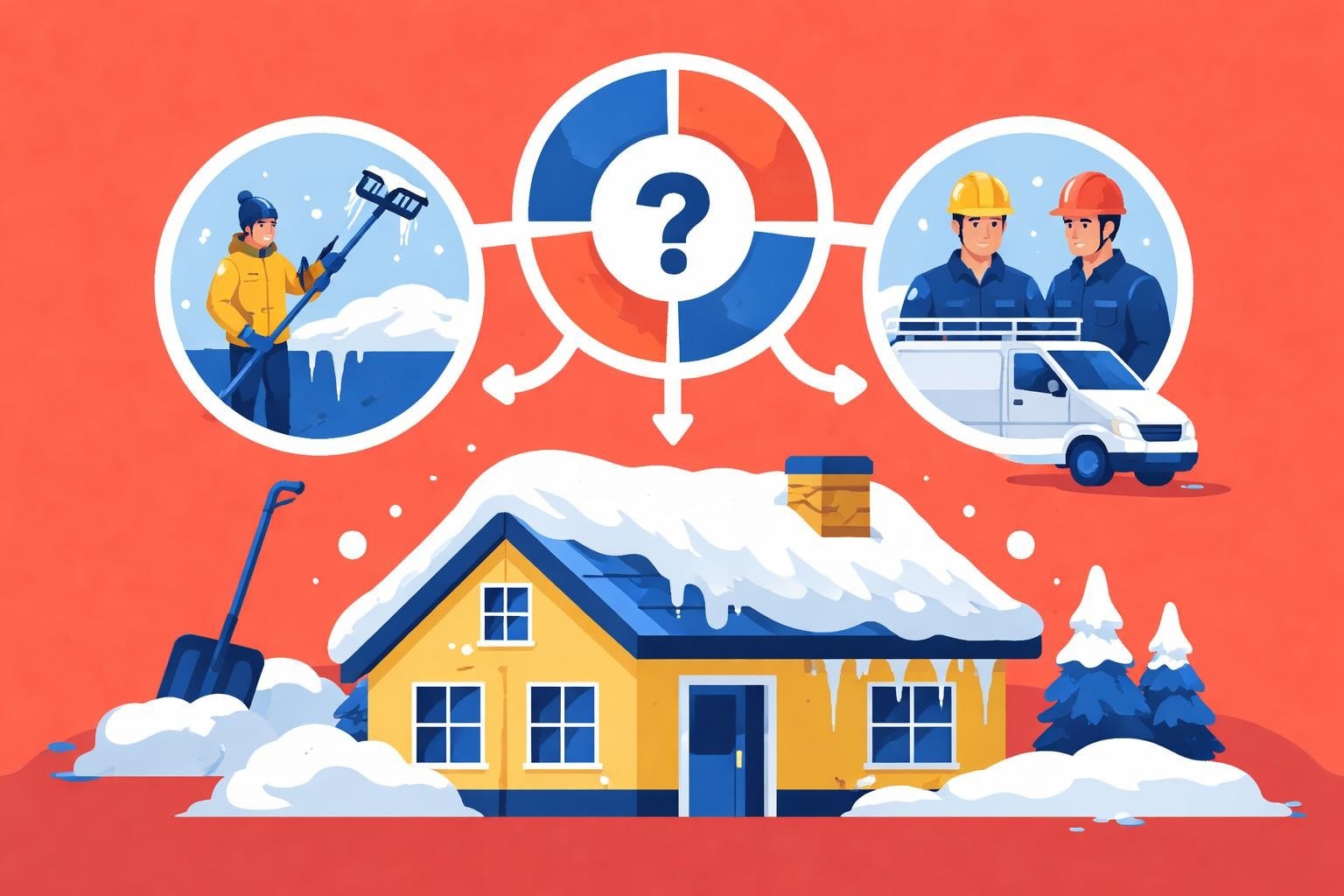
Winter storms in Illinois bring significant challenges for property owners, with heavy snow accumulation on roofs posing serious risks to structural integrity and safety. Understanding when to tackle snow removal yourself versus hiring a professional roof snow removal service can mean the difference between protecting your investment and facing costly repairs. Many homeowners underestimate the weight of snow on their roofs, with just one foot of snow potentially adding thousands of pounds of pressure to your structure, increasing the risk of collapse or water damage from ice dams.
Understanding the Risks of Snow Accumulation on Roofs
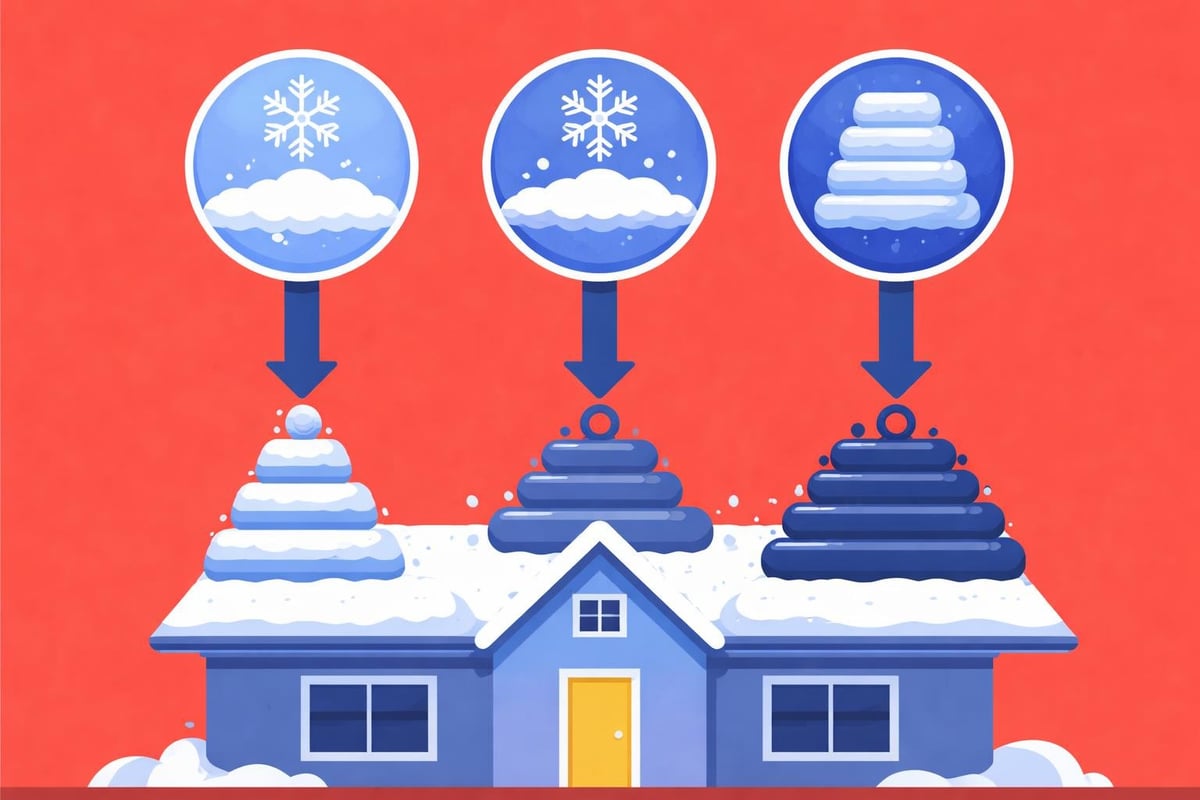
Snow accumulation creates multiple hazards that extend beyond simple weight concerns. Fresh powder snow weighs approximately three pounds per cubic foot, while wet, packed snow can weigh up to 21 pounds per cubic foot. Ice adds even more stress at roughly 57 pounds per cubic foot. A typical residential roof measuring 2,000 square feet covered with two feet of wet snow could be supporting over 40,000 pounds of additional weight.
The structural damage potential increases dramatically when snow melts and refreezes, creating ice dams along roof edges. These barriers prevent proper drainage, forcing water to back up under shingles and potentially leak into your home's interior. According to best practices outlined by Travelers Insurance, these conditions can lead to significant property damage if left unaddressed.
Warning Signs That Require Immediate Attention
Recognizing when your roof needs snow removal requires vigilance and understanding of structural stress indicators. Your building will often communicate distress through visible and audible warning signs that should never be ignored.
Critical warning signs include:
- Doors and windows that suddenly stick or won't close properly
- Sagging ceiling tiles or visible roof deflection
- Creaking, popping, or cracking sounds from the roof structure
- Cracks appearing in interior walls or ceilings
- Water stains on ceilings or walls near the roofline
- Gutters pulling away from the building
Commercial properties with flat or low-slope roofs face particularly acute risks, as snow doesn't slide off naturally like it does on steep residential pitches. For buildings utilizing modified bitumen systems, excessive snow loads can compromise membrane integrity and lead to premature failure requiring extensive commercial roofing repairs.
DIY Snow Removal Versus Professional Service
Property owners frequently debate whether to handle snow removal themselves or engage a professional roof snow removal service. This decision should factor in safety considerations, equipment availability, roof accessibility, and the snow's depth and condition.
Safe DIY Removal Techniques
Homeowners can safely remove light to moderate snow accumulations using proper techniques and equipment. The most effective tool for residential properties is a roof rake with an extended handle, allowing ground-level operation without climbing. Tom’s Guide provides detailed instructions for using these tools effectively while minimizing risk.
When attempting DIY removal, work systematically from the roof's edge inward, removing snow in thin layers rather than attempting to clear the entire depth at once. Always maintain awareness of overhead power lines and avoid standing directly where snow will fall. Never use sharp tools like shovels or ice picks that might damage shingles or roofing materials.
Essential DIY safety guidelines:
- Never work alone on snow removal projects
- Stay off the roof during active snow removal when possible
- Use proper footwear with excellent traction if roof access is necessary
- Avoid working near the roof edge or on ladders during icy conditions
- Stop immediately if ice dams have formed, as these require professional intervention
For properties with asphalt shingle roofing, particular care must be taken to avoid damaging granules or creating vulnerable spots that could lead to future leaks.
When to Call Professional Services
Certain situations demand the expertise and equipment of a professional roof snow removal service. Properties with steep pitches, multi-story buildings, or roofs with complex configurations should always be handled by trained contractors who possess proper safety equipment and insurance coverage.
| Situation | DIY Appropriate | Professional Required |
|---|---|---|
| Light, fluffy snow (under 6 inches) | Yes | Optional |
| Heavy, wet snow (over 12 inches) | No | Yes |
| Ice dam formation | No | Yes |
| Commercial flat roofs | No | Yes |
| Multi-story residential | No | Yes |
| Accessible single-story with roof rake | Yes | Optional |
Professional services offer significant advantages beyond safety. Experienced contractors can identify underlying roof damage, assess structural concerns, and provide comprehensive solutions that address both immediate snow removal and long-term protection strategies. Companies like Great Roofing bring specialized knowledge of how different roofing systems respond to winter conditions, ensuring removal methods won't compromise your roof's integrity.
Professional Snow Removal Process and Methodology
Understanding how professional contractors approach snow removal helps property owners make informed decisions and set appropriate expectations. A reputable roof snow removal service follows systematic protocols that prioritize safety while protecting your roofing investment.
Initial Assessment and Planning
Before any snow removal begins, professional contractors conduct thorough site assessments. This evaluation examines snow depth and density, identifies ice dam locations, checks for visible roof damage, and determines the safest access points. Contractors also consider factors like roof pitch, material type, and age when developing their removal strategy.
The Maine Emergency Management Agency emphasizes that professional assessment is crucial for preventing structural damage during the removal process. Contractors calculate the approximate weight load and determine whether the entire roof needs clearing or if targeted removal in specific areas will suffice.
Execution and Safety Protocols
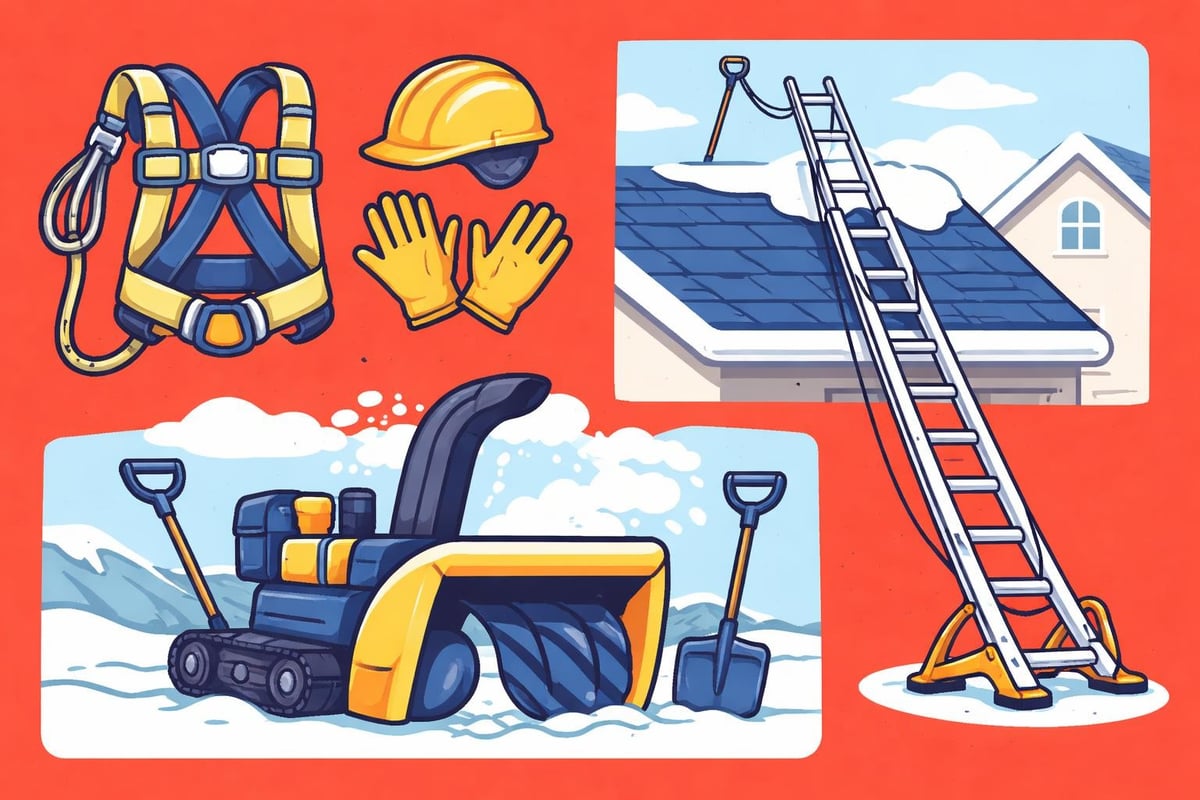
Professional teams utilize specialized equipment designed specifically for roof snow removal, including plastic shovels that won't damage roofing materials, roof-safe snow blowers for larger commercial applications, and professional-grade roof rakes with adjustable extensions. All work is performed using OSHA-compliant fall protection systems.
The typical professional removal process includes:
- Securing the perimeter and establishing ground-level safety zones
- Installing fall protection anchors and safety lines
- Beginning removal from roof edges, working systematically inward
- Addressing ice dams with steam equipment rather than mechanical removal
- Inspecting for damage as snow is cleared
- Providing documentation of work completed and recommendations
Teams work in pairs or groups, maintaining constant communication and adhering to safety protocols. SPI Health and Safety outlines essential precautions that professional services follow to minimize accident risk while maximizing efficiency.
Cost Considerations and Value Analysis
Investing in professional roof snow removal service involves upfront costs that many property owners weigh against DIY options or risking no action. Understanding the financial implications helps frame this decision within the broader context of property protection and risk management.
Pricing Factors and Average Costs
Professional snow removal pricing varies based on multiple factors. Roof size and accessibility significantly impact cost, with larger or harder-to-reach roofs commanding higher fees. Snow depth and density matter, as heavier, deeper accumulations require more time and effort. Roof pitch influences both difficulty and risk, with steeper roofs requiring additional safety measures.
| Property Type | Average Cost Range | Typical Timeline |
|---|---|---|
| Single-story residential (under 2,000 sq ft) | $200 – $500 | 2-4 hours |
| Two-story residential (2,000-4,000 sq ft) | $400 – $900 | 4-6 hours |
| Large residential (over 4,000 sq ft) | $800 – $1,500 | 6-8 hours |
| Small commercial flat roof | $500 – $1,200 | 3-5 hours |
| Large commercial building | $1,500 – $5,000+ | 8+ hours |
Emergency services requested during active storms or outside normal business hours typically include premium charges of 25-50% above standard rates. However, EMC Insurance notes that these costs pale in comparison to potential structural damage repairs, which can easily exceed $10,000 to $50,000 for serious incidents.
Return on Investment Through Damage Prevention
The true value of a professional roof snow removal service becomes apparent when considering avoided damage costs. Roof collapse repairs involve not just roofing replacement but also interior restoration, structural engineering assessments, and temporary housing during repairs. Insurance deductibles for such claims often range from $1,000 to $5,000, with potential policy cancellations or premium increases following major claims.
Ice dam remediation after damage occurs costs significantly more than preventive removal. Water damage restoration, insulation replacement, and mold remediation can quickly escalate into five-figure expenses. Homeowners who have experienced storm damage understand that proactive maintenance costs far less than reactive repairs.
Winter Roof Maintenance Beyond Snow Removal
Comprehensive winter roof protection extends beyond reactive snow removal to include preventive strategies and ongoing maintenance. Property owners who implement multi-faceted approaches minimize emergency situations and extend their roof's lifespan regardless of winter severity.
Pre-Winter Preparation Strategies
Preparing your roof before winter arrives dramatically reduces snow-related problems. Schedule professional inspections during fall to identify and address vulnerabilities before snow season. Replace damaged or missing shingles, seal potential leak points, and ensure proper attic insulation and ventilation to prevent heat loss that contributes to ice dam formation.
Gutter cleaning and maintenance prove essential for winter readiness. Clogged gutters trap water that freezes and expands, damaging both gutters and roof edges. Installing gutters with proper pitch and capacity ensures adequate drainage when snow melts. Heat cables installed along roof edges and in valleys can prevent ice dam formation in particularly vulnerable areas.
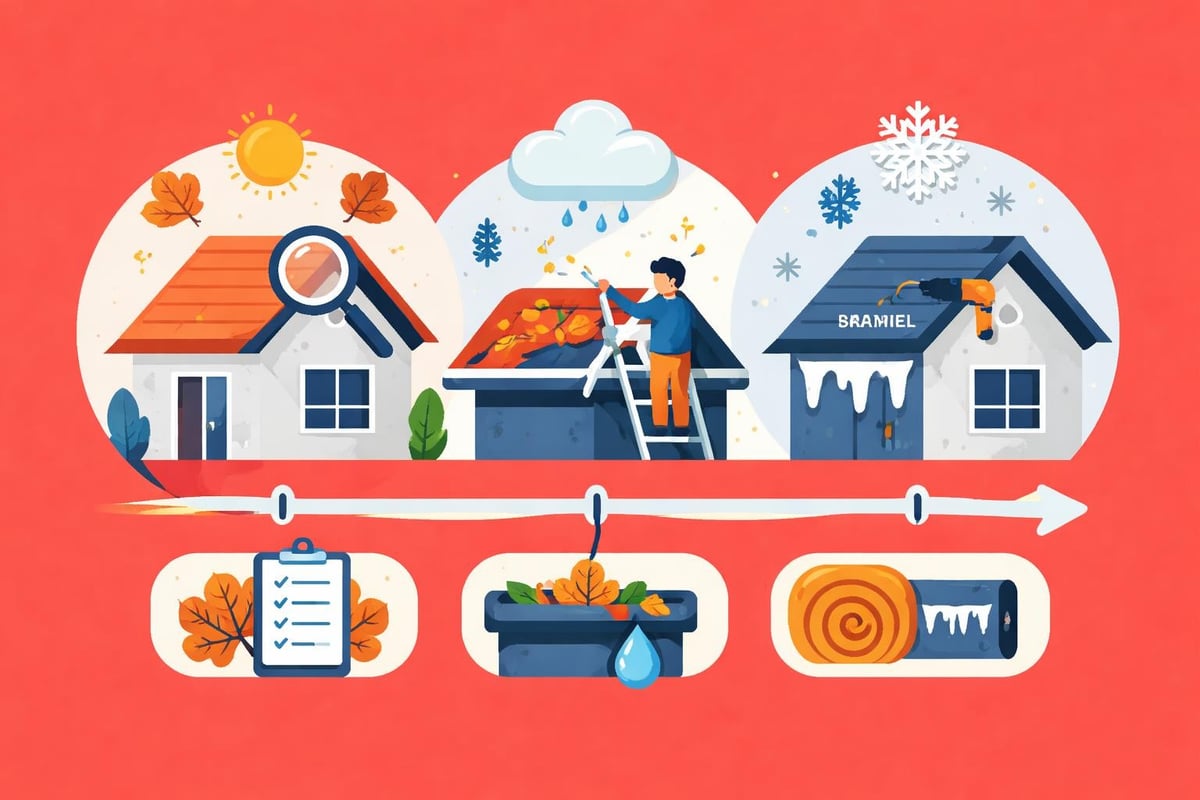
Ongoing Monitoring During Winter Months
Active monitoring throughout winter helps catch problems early when they're easier and less expensive to address. After each significant snowfall, visually inspect your roof from the ground, looking for uneven snow accumulation, ice dam formation, or sagging areas. Check attic spaces for signs of moisture infiltration or temperature irregularities.
Maintain clear access paths to your home's exterior, ensuring you can safely inspect and address roof issues even during active winter weather. Document snow accumulation with photos and measurements, creating a reference for when professional intervention becomes necessary. This proactive approach aligns with recommendations from American Family Insurance regarding comprehensive winter property protection.
Material-Specific Snow Removal Considerations
Different roofing materials require tailored approaches to snow removal. Understanding how your specific roof type responds to winter conditions and removal techniques helps prevent inadvertent damage during what should be a protective service.
Asphalt Shingle Systems
Asphalt shingles, the most common residential roofing material in Illinois, demonstrate good snow-shedding properties on adequate pitches but require careful handling during removal. Aggressive scraping or impact can dislodge protective granules, creating vulnerable spots that may leak during spring thaws. Cold temperatures make shingles brittle, increasing fracture risk if subjected to excessive force.
Professional roof snow removal service providers understand these vulnerabilities and use appropriate techniques. Plastic-edged tools prevent granule loss, while systematic removal from edges inward maintains balanced loading during the process. Property owners with aging shingle roofs should consider professional services exclusively, as older materials demonstrate increased fragility.
Metal Roofing Applications
Metal roofs present unique challenges and advantages for snow management. Their smooth surfaces and higher thermal conductivity often allow snow to slide off naturally, reducing accumulation risks. However, this same property creates danger zones below roof edges where heavy snow sheets may suddenly release. The best metal roofing material choices include proper snow retention systems that control release patterns.
When removal becomes necessary on metal roofs, professionals avoid tools that might scratch protective coatings, as exposed metal can develop rust spots. Standing seam systems require particular care around seam areas, while corrugated panels need evaluation for proper support during removal operations to prevent denting.
Commercial Flat and Low-Slope Roofs
Commercial properties with flat or low-slope roofs face the greatest snow accumulation challenges, as these systems rely entirely on drainage rather than gravity for snow removal. Modified bitumen and EPDM membranes used on many commercial buildings can sustain damage from improper snow removal techniques.
Professional contractors working on commercial roofs understand membrane vulnerabilities and use specialized equipment designed for these applications. Snow removal proceeds in patterns that maintain drainage pathways while avoiding concentrated loads in any single area. Regular maintenance agreements often include scheduled roof snow removal service, preventing dangerous accumulation before it becomes critical.
Selecting the Right Snow Removal Contractor
Choosing a qualified roof snow removal service requires due diligence and understanding of what separates competent professionals from potentially risky alternatives. The contractor you select will access your roof and potentially affect its long-term performance, making this decision crucial for property protection.
Essential Qualifications and Credentials
Legitimate roofing contractors carry comprehensive insurance coverage including general liability and workers' compensation. Always verify these coverages directly with the insurance provider rather than accepting certificates at face value. Licensed contractors demonstrate commitment to professional standards and regulatory compliance.
Key qualification criteria include:
- Minimum five years of roofing industry experience
- OSHA safety training certification for all crew members
- Established local business presence with verifiable references
- Manufacturer certifications for major roofing systems
- Clear written contracts specifying scope, timeline, and costs
- Emergency response availability during severe weather events
Experience specifically with your roof type matters significantly. Contractors who primarily work on commercial flat roofs may lack expertise with steep residential pitches, while residential specialists might not understand commercial membrane systems. Companies offering comprehensive roof repair services typically possess the broad knowledge base needed for effective snow removal across various systems.
Questions to Ask Potential Contractors
Interviewing multiple contractors before emergency situations arise establishes relationships and ensures you can act quickly when needs arise. Ask about their typical response time during snow emergencies and whether they offer priority service agreements. Understand their assessment process and how they determine when removal is necessary versus optional.
Request detailed explanations of their safety protocols, equipment used, and crew training programs. Inquire about damage guarantees and what recourse exists if their work causes roof harm. Understanding their experience with storm damage insurance claims can prove valuable if removal uncovers existing damage requiring documentation.
| Question Category | Why It Matters | Red Flags |
|---|---|---|
| Insurance verification | Protects you from liability | Reluctance to provide carrier info |
| Safety protocols | Indicates professionalism | Vague answers, no formal program |
| Equipment specifics | Shows proper investment | Reliance on basic consumer tools |
| Reference availability | Demonstrates track record | Only provides first names or won't share |
| Written estimates | Creates clear expectations | Verbal-only quotes, pressure tactics |
Regional Considerations for Illinois Property Owners
Illinois experiences variable winter conditions that create unique challenges for roof snow management. Understanding regional patterns and local building practices helps property owners make informed decisions about when professional roof snow removal service becomes necessary.
Climate Patterns and Snow Load Expectations
Joliet and surrounding Illinois communities experience average annual snowfall ranging from 30 to 40 inches, with significant year-to-year variation. Individual storms can deposit 6 to 12 inches, while major winter events occasionally exceed 18 inches. The region's temperature fluctuations create particularly problematic conditions, as repeated freeze-thaw cycles produce dense, heavy snow and extensive ice dam formation.
Local building codes specify minimum roof load requirements based on historical snow data, but older structures may not meet current standards. Properties built before 1980 warrant particular attention during heavy snow years, as building practices and load calculations have evolved significantly. Working with contractors familiar with residential roofing in Joliet ensures understanding of local construction methods and regional challenges.
Timing Considerations for Service Scheduling
Illinois snow removal services experience peak demand during and immediately following major storms. Establishing relationships with contractors before winter and potentially arranging priority service agreements ensures faster response when conditions warrant intervention. Some contractors offer seasonal monitoring programs where they proactively contact clients when snow loads approach concerning levels.
Properties in communities like New Lenox, Mokena, and Frankfort benefit from local contractor relationships who understand neighborhood-specific factors like tree coverage, typical drift patterns, and subdivision roof designs. Regional expertise accelerates assessment and improves removal efficiency.
Insurance Implications and Documentation
Professional roof snow removal service decisions often intersect with insurance considerations. Understanding coverage parameters, documentation requirements, and claim processes helps property owners make financially sound choices while protecting their interests.
Coverage Analysis and Policy Review
Most standard homeowners and commercial property insurance policies cover roof collapse and related damage from snow loads, but coverage specifics vary considerably. Review your policy's provisions regarding preventive maintenance requirements and whether snow removal costs are covered or considered owner responsibility. Some policies include language requiring "reasonable steps" to prevent damage, which could encompass proactive snow removal during extreme conditions.
Document all snow removal activities, whether DIY or professional, including dates, depths removed, and any observations about roof condition. Photograph snow accumulation before removal and maintain receipts for all services. This documentation proves valuable if subsequent damage claims arise and insurers question whether adequate preventive measures were taken.
Coordinating with Storm Damage Claims
Snow removal sometimes reveals existing damage from previous storms that property owners hadn't noticed. Storm damage professionals understand how to properly document such discoveries and initiate insurance claims when warranted. Contractors who offer comprehensive storm damage assessment can identify whether issues resulted from snow loads, wind damage, or pre-existing conditions.
When combining snow removal with damage assessment, ensure contractors photograph conditions before any work begins. Clear documentation of the roof's state under snow versus after removal helps establish timelines and causation for insurance purposes. Understanding what storm damage looks like weeks after events helps distinguish between acute snow-related issues and chronic problems requiring different solutions.
Professional roof snow removal service protects your property investment while preventing dangerous situations that risk both structure and safety. Whether you choose DIY methods for light accumulations or engage professionals for heavy snow loads, understanding proper techniques and timing ensures your roof survives Illinois winters without compromising its integrity. Great Roofing brings decades of family-owned expertise to winter roof protection throughout the Joliet area, offering professional snow removal services alongside comprehensive roofing solutions for both residential and commercial properties. Contact their experienced team today for proactive winter roof management that safeguards your investment year after year.