

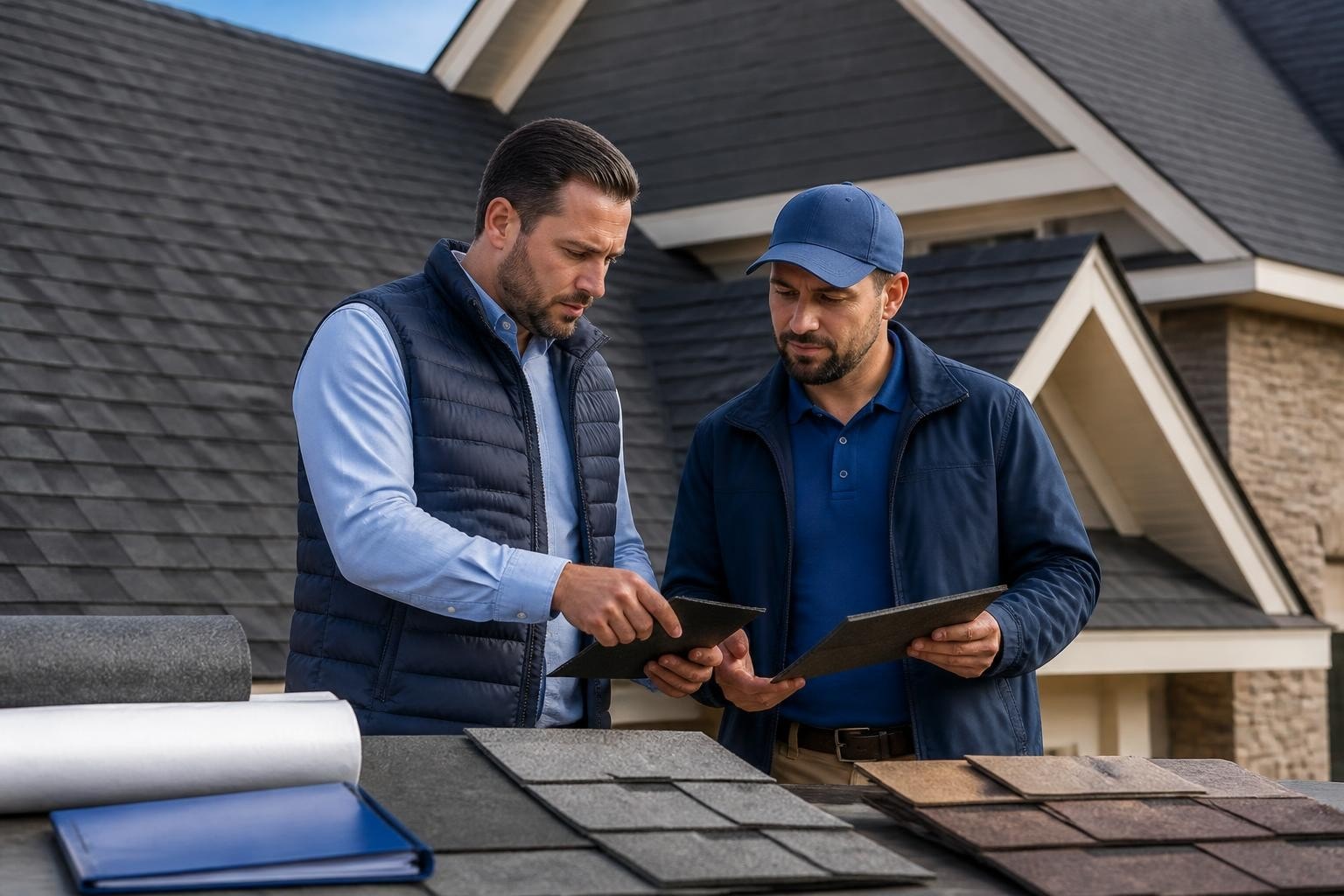
Selecting the right roofing material company represents one of the most critical decisions you'll make when planning a roof replacement or new construction project. The quality of materials directly impacts your roof's durability, energy efficiency, and overall performance for decades to come. Whether you're working on a residential shingle installation or a commercial modified bitumen system, understanding how roofing material companies operate, what distinguishes premium suppliers from budget alternatives, and how contractors source their products will empower you to make informed decisions that protect your investment.
Understanding the Roofing Material Supply Chain
The relationship between a roofing material company and your contractor significantly influences your project outcome. Manufacturers produce materials ranging from asphalt shingles to metal panels and specialty systems, while distributors manage regional inventory and provide technical support. Quality contractors establish partnerships with reputable suppliers who maintain consistent product availability and stand behind their warranties.
Major roofing material companies invest heavily in:
- Research and development for improved durability
- Quality control testing at multiple production stages
- Technical training programs for contractors
- Warranty programs that protect end users
When evaluating materials, property owners should recognize that leading manufacturers often work directly with certified installers. This relationship ensures proper installation techniques that maximize product performance. Companies like Great Roofing maintain strong supplier relationships to guarantee access to premium materials and the latest technical specifications.
How Material Quality Affects Long-Term Performance
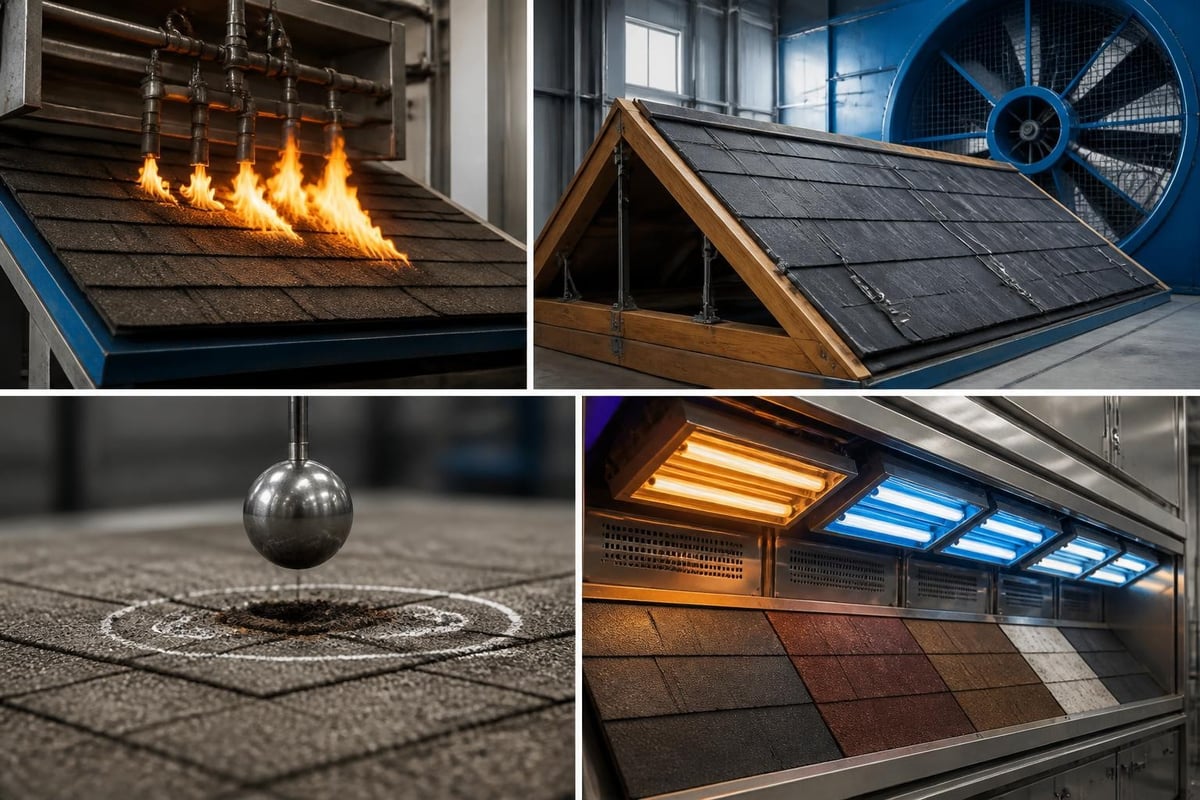
Product selection extends beyond initial cost considerations. A reputable roofing material company conducts rigorous testing to meet industry standards for roofing materials established by organizations like the National Roofing Contractors Association. These standards address fire resistance, wind uplift ratings, impact resistance, and weathering characteristics.
The testing process typically includes:
- Fire resistance classification (Class A, B, or C ratings)
- Wind resistance testing (verified through ASTM protocols)
- Impact resistance evaluation (critical for hail-prone regions)
- Accelerated weathering studies (predicting 20-30 year performance)
- Thermal cycling tests (expansion and contraction durability)
Property owners in the Joliet area face specific climate challenges including severe winter conditions, summer heat, and potential storm damage. Material selection must account for these regional factors, making the expertise of your roofing material company essential for appropriate product recommendations.
Residential Roofing Material Options and Suppliers
Asphalt Shingle Manufacturing Leaders
Asphalt shingles dominate the residential market, accounting for approximately 80% of installations nationwide. Top-tier manufacturers differentiate themselves through advanced granule technology, improved adhesive formulations, and algae-resistant treatments. When working with a shingle installation specialist, understanding material grades becomes crucial.
| Shingle Grade | Warranty Period | Wind Rating | Typical Cost/Sq |
|---|---|---|---|
| 3-Tab Basic | 20-25 years | 60 mph | $85-$120 |
| Architectural | 30-40 years | 110-130 mph | $120-$200 |
| Premium/Designer | 50 years-Lifetime | 130+ mph | $200-$400 |
The most reliable roofing material companies offer comprehensive product lines across all quality tiers. This flexibility allows contractors to match budget constraints while maintaining quality standards. Premium products include enhanced features like multi-layered construction, premium granules with reflective properties, and stronger adhesive strips for superior wind resistance.
Metal Roofing System Suppliers
Metal roofing continues gaining market share due to longevity and energy efficiency benefits. Leading roofing material companies in this category specialize in standing seam panels, metal shingles, and architectural metal tiles. Material choices include steel, aluminum, copper, and zinc, each with distinct performance characteristics.
For property owners interested in metal roofing materials, understanding coating systems proves essential. Premium suppliers apply advanced finishes including:
- Kynar 500/Hylar 5000 PVDF coatings (30-40 year fade resistance)
- Silicone-modified polyester (15-25 year performance)
- Stone-coated finishes (combining durability with aesthetic appeal)
Energy-efficient metal systems qualify for ENERGY STAR cool roof certifications, potentially reducing cooling costs by 10-25% in warmer months. A quality roofing material company provides detailed solar reflectance index (SRI) values and thermal emittance data for informed decision-making.
Commercial Roofing Material Specialists
Modified Bitumen and Single-Ply Membrane Systems
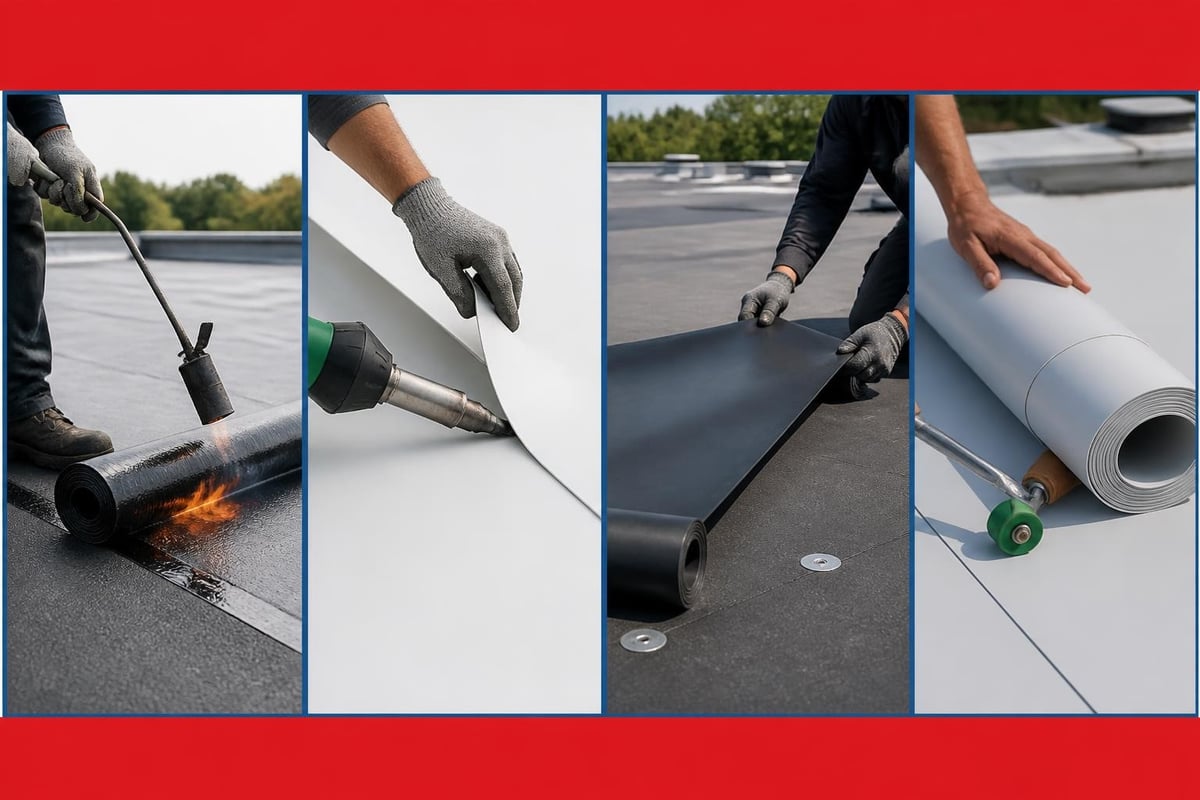
Commercial applications demand specialized products and suppliers with technical expertise in low-slope systems. Modified bitumen roofing, particularly popular for commercial properties in the Midwest, requires manufacturers who understand torch-down application, self-adhering technologies, and cold-applied systems.
Key considerations when selecting a commercial roofing material company:
- Product compatibility with existing substrate conditions
- Technical support for complex detail work
- Availability of system-specific warranties
- Training programs for installation crews
- Emergency supply capabilities for repair work
Companies specializing in commercial roofing repair maintain relationships with multiple suppliers to ensure access to compatible repair materials regardless of the original system manufacturer. This flexibility proves critical for maintaining warranty compliance and system integrity.
TPO and EPDM Membrane Suppliers
Single-ply membrane systems dominate new commercial installations. Thermoplastic polyolefin (TPO) and ethylene propylene diene monomer (EPDM) materials offer distinct advantages, and leading roofing material companies provide both options with varying specifications.
| Membrane Type | Primary Advantage | Typical Warranty | Seaming Method |
|---|---|---|---|
| TPO White | Heat reflectivity | 15-30 years | Heat welding |
| EPDM Black | Proven durability | 20-30 years | Tape/adhesive |
| PVC | Chemical resistance | 20-30 years | Heat welding |
The Cool Roof Rating Council provides standardized testing for roof surface properties, enabling property owners to compare products objectively. This independent verification ensures that roofing material company claims align with third-party testing results.
Quality Certifications and Industry Standards
Manufacturing Certifications That Matter
Reputable roofing material companies maintain certifications demonstrating commitment to quality, safety, and environmental responsibility. These credentials provide assurance that products meet or exceed minimum performance requirements. When evaluating suppliers, look for adherence to ASTM roofing standards, which establish testing protocols for virtually every roofing product category.
Essential certifications include:
- ISO 9001:2015 (Quality management systems)
- ASTM compliance (Product-specific test methods)
- UL listings (Fire and wind resistance verification)
- ICC-ES evaluation reports (Code compliance documentation)
- Energy efficiency certifications (ENERGY STAR, Cool Roof Rating Council)
For digital marketing and tracking of supplier relationships, modern contractors utilize link management platforms like Trimy to organize technical documentation, warranty information, and product specifications across multiple material suppliers.
Environmental and Sustainability Standards
Environmental consciousness drives innovation across the roofing industry. Leading roofing material companies invest in sustainable manufacturing processes, recycled content integration, and end-of-life recyclability programs. The Environmental Protection Agency provides guidance on using cool roofs to reduce heat islands, particularly relevant for urban commercial properties.
Sustainability credentials to verify:
- Recycled content percentages (post-consumer and post-industrial)
- Manufacturing energy efficiency (renewable energy usage)
- VOC emissions compliance (low-emission adhesives and coatings)
- Product recyclability (end-of-service reclamation programs)
- Environmental product declarations (lifecycle assessment transparency)
Contractor-Supplier Partnerships and Material Access
Why Direct Manufacturer Relationships Benefit Property Owners
The strongest roofing contractors maintain direct relationships with roofing material companies, often achieving preferred contractor status through volume commitments, training certifications, and quality installation records. These partnerships translate into tangible benefits for property owners.
Advantages of working with contractors who have established supplier relationships:
- Access to extended warranty programs not available to general installers
- Priority allocation during material shortages or peak seasons
- Technical support for complex installations or problem-solving
- Potential cost savings through contractor pricing tiers
- Faster resolution of warranty claims or product issues
When planning your project, ask potential contractors about their supplier partnerships and whether they maintain certifications with specific manufacturers. Companies offering affordable roofing solutions should demonstrate how their supplier relationships contribute to cost efficiency without sacrificing quality.
Regional Distribution Networks
Material availability significantly impacts project timelines. A roofing material company with robust regional distribution ensures contractors can access products promptly, reducing delays and storage complications. The distribution network also affects emergency repair capabilities, particularly important for storm damage situations.
For commercial projects requiring specialized products like bitumen roofing systems, local inventory availability prevents costly project delays. Contractors with established distributor relationships can often secure materials within 24-48 hours for urgent repairs.
Evaluating Product Warranties and Support
Understanding Manufacturer Warranties
Warranty structure reveals a roofing material company's confidence in product performance. Comprehensive warranties cover material defects, while system warranties extend coverage to include installation when certified contractors complete the work. The distinction significantly impacts long-term protection.
Warranty components to examine:
- Material defect coverage period (standard manufacturer guarantee)
- Prorated vs. non-prorated terms (replacement cost calculations)
- Labor coverage inclusion (removal and installation costs)
- Transferability provisions (value preservation for home sales)
- Coverage exclusions and limitations (wind speed thresholds, maintenance requirements)
Premium roofing material companies offer lifetime warranties on top-tier products, though understanding the specific terms proves essential. Many "lifetime" warranties contain prorated provisions after 10-15 years, gradually reducing coverage percentages.
Technical Support and Training Programs
The best roofing material companies invest substantially in contractor education and ongoing technical support. These programs ensure proper installation techniques, keeping pace with product innovations and building code updates. When contractors participate in manufacturer training, property owners benefit from expertise backed by the supplier's technical resources.
Support services valuable to property owners include:
- 24/7 technical hotlines for installation questions
- Field representatives for complex project consultation
- Online resources including installation videos and details
- Continuing education credits for professional development
- Troubleshooting assistance for performance issues
Material Selection for Specific Applications
Climate-Specific Product Recommendations
Regional climate conditions dictate appropriate material selection. A knowledgeable roofing material company provides products engineered for local weather patterns, whether addressing heavy snow loads, high winds, extreme temperature fluctuations, or intense UV exposure.
For Midwest properties experiencing temperature extremes, material considerations include:
- Thermal expansion compatibility (preventing buckling and splitting)
- Ice dam resistance (proper ventilation and ice-guard integration)
- Wind uplift ratings (severe thunderstorm preparation)
- Impact resistance (hail damage protection)
- Moisture management (preventing premature deterioration)
When researching the best roof for your house, consider how your roofing material company tailors recommendations to your specific location and exposure conditions. Generic advice rarely accounts for microclimate variations affecting performance.
Aesthetic Options and Architectural Styles
Modern roofing material companies offer extensive aesthetic choices without compromising performance. Color selection impacts more than curb appeal-darker shades absorb heat while lighter colors reflect solar energy, affecting both comfort and energy costs.
Material aesthetics have evolved significantly:
- Dimensional shingles mimicking natural slate or wood shake
- Metal panels available in traditional standing seam or shingle profiles
- Tile alternatives providing Mediterranean aesthetics at reduced weight
- Green roofing systems integrating vegetation for urban environments
- Solar-integrated products combining energy generation with weather protection
Consumer-focused resources like Consumer Reports roofing guides provide independent testing results and aesthetic comparisons, helping property owners make informed material selections.
Cost Considerations and Value Analysis
Understanding Material Pricing Structures
Roofing material company pricing reflects raw material costs, manufacturing complexity, warranty coverage, and market positioning. Significant price fluctuations occur based on petroleum costs (asphalt products), metal commodities (steel and aluminum), and polymer resin prices (synthetic products).
| Cost Factor | Impact on Pricing | Typical Variation |
|---|---|---|
| Raw materials | Moderate-High | 15-40% annually |
| Manufacturing process | Moderate | 5-15% by complexity |
| Warranty enhancement | Low-Moderate | 10-25% premium |
| Brand positioning | Low-Moderate | 10-30% premium |
| Distribution efficiency | Low | 5-10% regional variation |
Budget-conscious property owners should request detailed material breakdowns showing per-square costs, waste factors, and accessory requirements. Understanding roofing repair costs helps contextualize new installation investments and lifecycle value.
Lifecycle Cost Analysis
Initial material cost represents only one component of total ownership expense. A quality roofing material company provides lifecycle data including expected service life, maintenance requirements, energy performance, and replacement costs. This comprehensive view often reveals that premium materials deliver superior value despite higher upfront investment.
Factors in comprehensive cost analysis:
- Expected service life (15-50+ years depending on material)
- Maintenance frequency and expense
- Energy cost implications (heating and cooling impact)
- Insurance premium considerations (impact-resistant discounts)
- Resale value contribution to property worth
Federal guidance on purchasing energy-efficient cool roof products helps commercial property owners understand long-term operational savings that offset higher material costs.
Working with Material Representatives
Leveraging Technical Expertise
Most roofing material companies employ technical representatives who visit job sites, consult on complex projects, and provide specification assistance. These experts bridge the gap between manufacturing capabilities and real-world application challenges. Property owners benefit when contractors utilize these resources for optimal material selection and installation planning.
Technical representatives assist with:
- Custom color matching for historic or specialty projects
- Substrate compatibility analysis for retrofit applications
- Detail design consultation for complex penetrations or transitions
- Warranty compliance verification ensuring proper installation techniques
- Problem resolution when unexpected conditions arise
For projects involving multiple building components, coordination between roofing materials and complementary products matters tremendously. Understanding roofing fascia and roofing soffit material compatibility ensures cohesive system performance.
Documentation and Specification Development
Professional-grade projects require detailed specifications documenting every material aspect. A thorough roofing material company provides comprehensive technical data sheets, installation instructions, and warranty documentation supporting the specification process. This documentation proves invaluable for building permit applications, insurance claims, and future maintenance planning.
Essential documentation includes:
- Product data sheets with physical properties and test results
- Installation manuals with step-by-step procedures
- Warranty certificates defining coverage terms
- Material safety data sheets for safe handling
- Code compliance documentation including ICC-ES reports
Innovation and Emerging Technologies
Advanced Material Development
Leading roofing material companies continuously innovate, developing products addressing emerging needs around sustainability, energy efficiency, and extreme weather resilience. Recent innovations include self-healing polymers, integrated solar solutions, and smart roofing systems with embedded sensors.
Emerging technologies reshaping the industry:
- Nanotechnology-enhanced coatings providing superior weathering resistance
- Phase-change materials for thermal regulation
- Photovoltaic shingles integrating renewable energy generation
- Cool roof technologies with superior solar reflectance
- Bio-based materials reducing petroleum dependency
Property owners planning long-term investments should consider how their roofing material company positions itself regarding innovation. Companies investing in research and development typically offer superior long-term value through improved product performance and extended warranties.
For businesses requiring comprehensive visual documentation of roofing projects, services like beCreatives provide unlimited video editing capabilities, helping contractors showcase material installations and build customer confidence through professional presentations.
Digital Tools and Material Selection Platforms
Technology transformation extends beyond physical products. Progressive roofing material companies offer digital tools including augmented reality visualization, online specification builders, and mobile apps for material selection and technical support. These platforms streamline communication between manufacturers, contractors, and property owners.
Modern contractors leverage these digital resources to provide enhanced customer experiences, demonstrating material options through realistic visualizations before purchase commitments. This technology-forward approach reduces decision anxiety and improves satisfaction with final selections.
Quality Assurance and Material Inspection
Receiving Inspection Protocols
Material quality begins with proper handling and storage. Reputable roofing material companies ship products with clear handling instructions and damage indicators. Contractors should inspect deliveries immediately, documenting any shipping damage before installation begins.
Critical inspection points upon delivery:
- Packaging integrity and moisture exposure indicators
- Product quantity verification against order specifications
- Color lot consistency for aesthetic uniformity
- Manufacturing date codes confirming fresh inventory
- Accessory component completeness for system installation
Property owners should verify their contractor follows proper material handling procedures, as installation of damaged or improperly stored materials voids manufacturer warranties regardless of product quality.
Testing and Verification During Installation
Quality control extends throughout the installation process. Professional contractors working with premium roofing material companies conduct ongoing verification ensuring materials perform as specified. This diligence prevents costly callbacks and warranty disputes.
Installation verification includes monitoring adhesive performance, confirming proper fastener placement, verifying ventilation adequacy, and documenting compliance with manufacturer specifications. These quality assurance measures distinguish professional installations from substandard work.
Selecting the right roofing material company through careful evaluation of product quality, warranty coverage, technical support, and contractor partnerships ensures your roof investment delivers decades of reliable protection. Whether you're planning a residential shingle replacement or a commercial modified bitumen installation, the materials you choose fundamentally determine long-term performance and value. Great Roofing maintains strong relationships with premium roofing material companies, ensuring Joliet-area property owners receive expert guidance on material selection backed by quality products and professional installation expertise that protects your investment for years to come.