

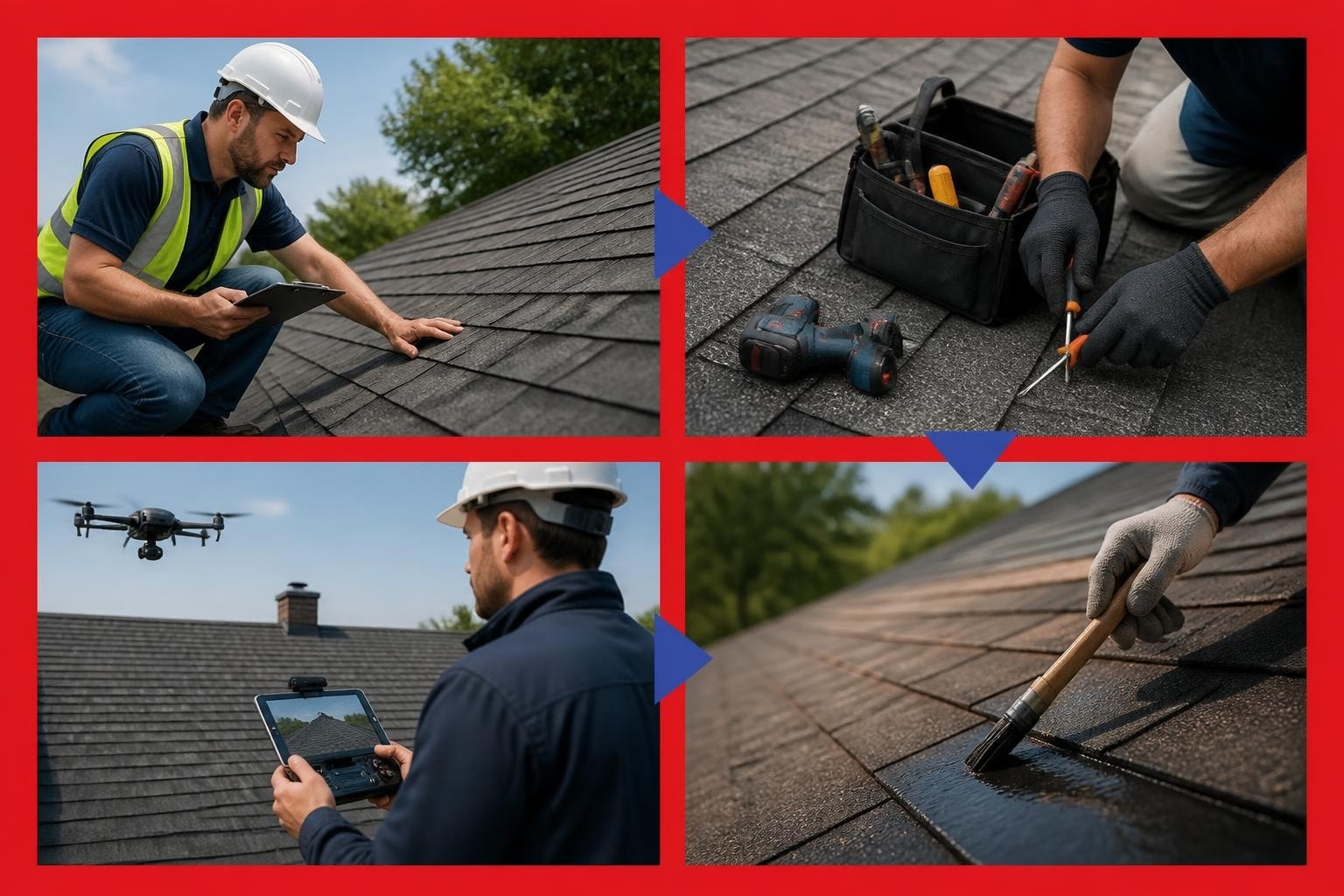
Service roofing represents the backbone of long-term roof performance and property protection. Unlike complete replacements or new installations, service roofing encompasses the ongoing maintenance, timely repairs, and proactive inspections that keep roof systems functioning optimally throughout their lifecycle. For property owners in Joliet and surrounding areas, understanding the value of comprehensive service roofing programs can mean the difference between premature roof failure and decades of reliable protection. This approach to roof care not only extends the life of your investment but also prevents costly emergency repairs and water damage that can compromise your entire building structure.
Understanding Service Roofing Operations
Service roofing differs fundamentally from installation work in both scope and approach. While new roof installations focus on complete system replacement, service roofing addresses the continuous needs of existing roof systems through strategic interventions. This specialized field requires contractors to diagnose problems accurately, recommend cost-effective solutions, and execute repairs that integrate seamlessly with existing materials.
The most effective service roofing operations maintain detailed records of each property's roof history, including installation dates, previous repairs, and identified vulnerabilities. Professional roofing service departments understand that thorough documentation enables better decision-making and helps property owners plan for future needs. This systematic approach transforms reactive emergency calls into proactive maintenance relationships.
Key Components of Service Roofing
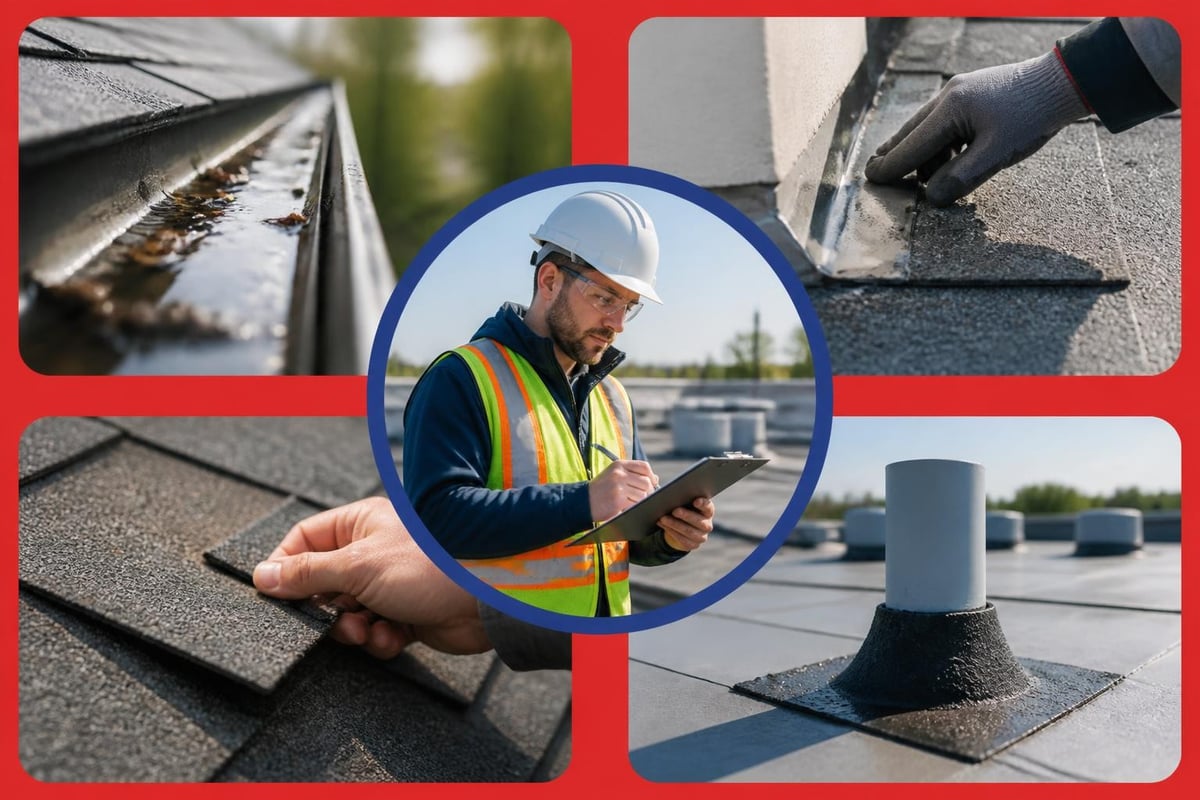
Service roofing encompasses several distinct but interconnected activities that work together to preserve roof integrity:
- Routine inspections that identify potential problems before they cause damage
- Minor repairs addressing flashing failures, damaged shingles, or small penetrations
- Preventive maintenance including gutter cleaning, drainage checks, and sealant renewal
- Emergency response for storm damage, leaks, or unexpected failures
- Documentation and reporting that tracks roof condition over time
Property owners should recognize that each component plays a vital role in the overall health of their roof system. Skipping routine inspections might save money initially, but typically leads to more expensive repairs down the line.
Frequency and Timing for Service Roofing
Determining the appropriate frequency for service roofing activities depends on multiple factors including roof age, material type, weather exposure, and building use. Understanding roofing service frequency and lifecycle planning helps property owners develop realistic maintenance schedules that align with their roof's specific needs and environmental conditions.
For residential properties with asphalt shingle roofs, professional inspections should occur at minimum twice yearly, typically in spring and fall. These seasonal checks allow contractors to identify and address weather-related damage before it worsens. Properties with known vulnerabilities or those approaching the end of their expected lifespan benefit from quarterly inspections that catch deterioration early.
Commercial Service Roofing Schedules
Commercial properties require more intensive service roofing attention due to their larger surface areas, complex drainage systems, and business continuity requirements. Following best practices for commercial roofing installations extends to maintenance phases as well, where systematic approaches prevent disruptions to business operations.
| Roof Type | Inspection Frequency | Priority Maintenance Areas |
|---|---|---|
| Modified Bitumen | Quarterly | Seams, flashings, ponding areas |
| EPDM Rubber | Bi-annually | Membrane integrity, penetrations |
| TPO/PVC | Bi-annually | Seams, fasteners, drainage |
| Built-Up Roofing | Quarterly | Surface wear, blisters, gravel distribution |
Commercial property managers should also schedule additional inspections following severe weather events, regardless of their regular maintenance calendar. Storm damage doesn't always manifest immediately, and early detection prevents minor issues from developing into major failures.
Common Service Roofing Interventions
Service roofing professionals address a wide range of issues that develop over a roof's lifetime. Understanding these common interventions helps property owners recognize problems early and seek appropriate solutions before damage escalates.
Flashing repairs represent one of the most frequent service roofing needs. Flashings around chimneys, skylights, vents, and roof-wall intersections experience constant thermal cycling and weather exposure that can cause sealants to fail and metal to corrode. Professional contractors assess whether flashings require simple resealing or complete replacement based on the extent of deterioration.
Shingle damage from wind, hail, or general wear necessitates strategic replacement that matches existing materials and maintains aesthetic consistency. Storm damage repair services become particularly crucial after severe weather events that can compromise multiple roof areas simultaneously.
Drainage System Maintenance
Proper drainage stands as a critical component of service roofing that directly impacts roof longevity. Clogged gutters, blocked scuppers, and debris-filled drains allow water to pond on roof surfaces, accelerating material breakdown and creating leak pathways. Regular cleaning and drainage system inspection prevent these issues.
Service roofing teams also evaluate drainage adequacy during inspections. Low spots that collect water might require additional drains or surface modifications to ensure proper runoff. This proactive approach prevents the cumulative damage that ponding water causes over months and years.
Building a Profitable Service Roofing Program
For roofing contractors, establishing robust service roofing operations creates stable revenue streams and deepens customer relationships. Best practices for running a profitable roofing service department emphasize the business benefits of maintenance-focused services that complement installation work.
Service agreements provide predictable income while ensuring customers receive consistent care. These programs typically include scheduled inspections, priority emergency response, and discounted repair rates. Property owners appreciate the convenience and cost predictability, while contractors benefit from steady work that fills scheduling gaps between major projects.
Service Roofing Technology and Efficiency
Modern service roofing operations leverage technology to improve efficiency and customer communication. Digital inspection tools allow contractors to document roof conditions with photos, thermal imaging, and detailed notes that help property owners understand recommendations. Implementing roofing best practices through digital platforms streamlines scheduling, estimating, and follow-up communication.
Mobile workforce management systems enable service roofing teams to access property histories, previous repair details, and material specifications while on-site. This immediate access to information improves diagnostic accuracy and ensures repairs maintain consistency with past work. When considering roofing and siding professionals, look for those who invest in these modern tools.

Service Roofing for Different Property Types
Residential and commercial properties present distinct service roofing challenges that require specialized approaches. Homeowners typically prioritize aesthetics alongside functionality, while commercial property managers focus heavily on minimizing business disruption and managing costs across portfolio properties.
Residential service roofing often involves coordinating with homeowners' schedules, maintaining property cleanliness during work, and ensuring repairs blend seamlessly with existing roof appearances. Understanding the cost of asphalt shingles helps homeowners make informed decisions when partial replacements become necessary during service calls.
Multi-Family and Commercial Considerations
Multi-family residential properties require service roofing approaches that balance tenant impact with maintenance necessity. Contractors must communicate effectively with property managers about scheduling, access requirements, and potential resident notifications. Planned maintenance windows during low-occupancy periods minimize disruptions while ensuring comprehensive care.
Commercial properties benefit from structured roof maintenance plans that align with business operational calendars. Retail properties might schedule service roofing work during off-hours, while industrial facilities coordinate around production schedules. This flexibility distinguishes professional service roofing contractors from those focused solely on new construction.
Safety and Quality Standards in Service Roofing
Service roofing work presents unique safety challenges compared to new installations. Contractors working on occupied buildings must implement comprehensive safety protocols that protect both workers and building occupants. Contractor best practices and field guides emphasize standardized safety procedures that apply across all project types.
Older roof systems requiring service work may contain deteriorated materials that pose collapse risks or hazardous substances requiring special handling. Professional service roofing teams assess these conditions before beginning work and implement appropriate protections. This careful approach prevents accidents and ensures compliance with occupational safety regulations.
Quality Assurance in Repairs
Maintaining quality standards during service roofing repairs requires attention to detail and proper material selection. Repairs should never compromise the integrity of surrounding roof areas or create new vulnerabilities. Using compatible materials that match existing specifications ensures repairs perform as intended without creating differential weathering or thermal expansion issues.
Warranty considerations also influence service roofing quality standards. Some roof system warranties require specific repair procedures or approved contractors to maintain coverage. Property owners should verify these requirements before authorizing service work to avoid inadvertently voiding their warranty protections.
Emergency Service Roofing Response
Storm damage, sudden leaks, and unexpected failures demand immediate service roofing response to prevent extensive property damage. Establishing relationships with reliable contractors before emergencies occur ensures faster response when minutes matter. Storm roofing specialists maintain emergency contact protocols and prioritize existing maintenance customers during high-demand periods.
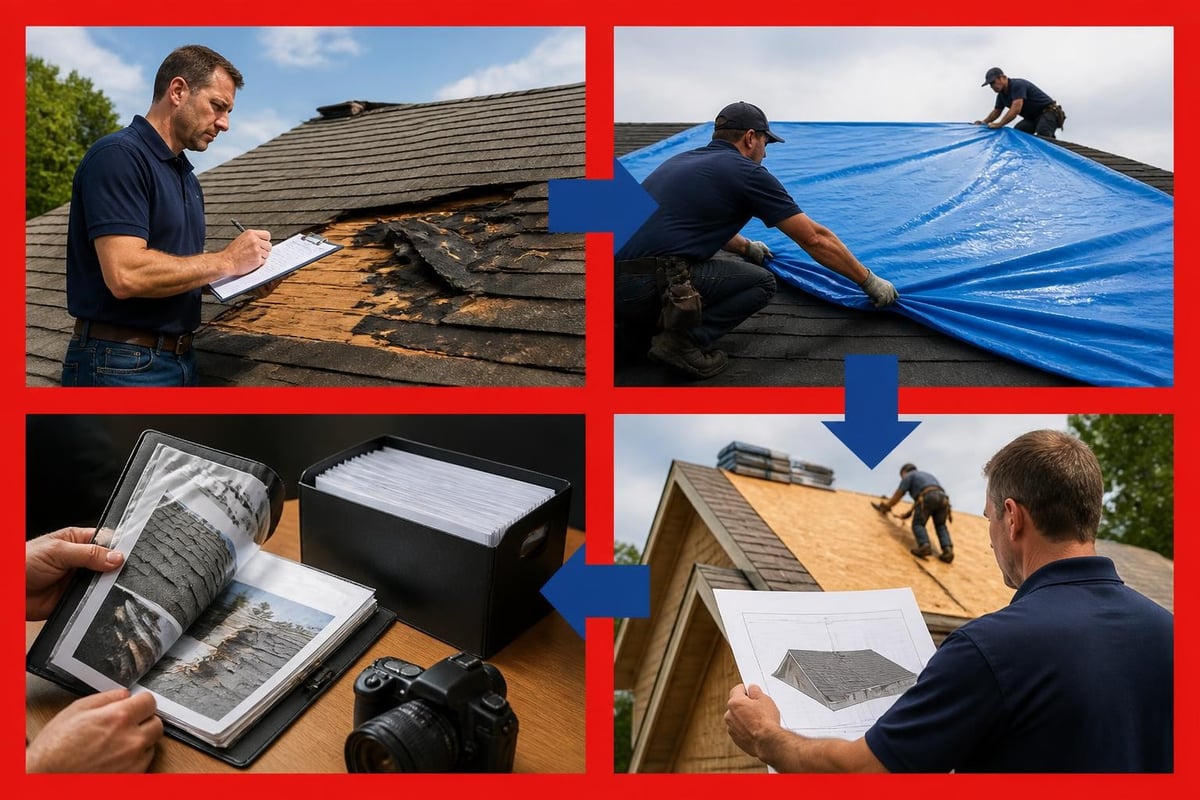
Emergency service roofing often involves temporary repairs that stop active leaks while allowing time for proper permanent solutions. Tarping damaged areas, applying emergency sealants, or installing temporary flashing protects interiors until weather conditions and contractor availability permit comprehensive repairs. These interim measures prevent water damage costs that often exceed the roof repair expenses themselves.
Documentation and Record-Keeping
Comprehensive documentation forms the foundation of effective service roofing programs. Why service matters in roofing business success highlights how detailed records enable better customer service and more accurate future planning. Property owners should maintain files containing all inspection reports, repair invoices, warranty documents, and contractor communications.
This documentation serves multiple purposes beyond simple record-keeping. When seeking roof leak repairs, being able to show contractors previous work history helps them understand the roof's maintenance patterns and identify recurring issues. Insurance claims benefit from thorough documentation that establishes pre-loss conditions and demonstrates proper maintenance.
| Document Type | Information Included | Retention Period |
|---|---|---|
| Inspection Reports | Condition assessments, photos, recommendations | Permanent |
| Repair Invoices | Work performed, materials used, costs | 10+ years |
| Warranty Documents | Coverage terms, exclusions, claim procedures | Life of warranty |
| Maintenance Logs | Service dates, tasks completed, observations | 5+ years |
Digital documentation systems make accessing this information easier while providing backup protection against physical document loss. Cloud-based storage ensures records remain available even if properties change ownership or management.
Integrating Service Roofing with Property Improvements
Service roofing considerations often intersect with other property improvement projects. Homeowners planning paver restoration or other outdoor renovations should coordinate timing with roof maintenance needs to optimize contractor access and minimize repeated disruptions. This integrated approach to property care ensures all systems receive appropriate attention.
Similarly, properties undergoing significant changes like additions or moving services relocations benefit from comprehensive roof assessments before or after transitions. New property owners should schedule immediate service roofing inspections to establish baseline conditions and identify any deferred maintenance requiring attention.
Evaluating Service Roofing Contractors
Selecting qualified service roofing contractors requires evaluating different criteria than those used for installation projects. Look for contractors with established service departments, not just installation crews who occasionally perform repairs. Dedicated service teams understand the diagnostic skills and customer communication approaches that maintenance work demands.
Request references specifically from service customers rather than installation clients. Service relationships reveal contractor responsiveness, communication quality, and problem-solving abilities that differ from new construction interactions. Certified roofing specialists with manufacturer training demonstrate commitment to ongoing education and quality standards.
Service Agreements and Pricing Models
Understanding service roofing pricing structures helps property owners budget appropriately and evaluate contractor proposals. Some contractors charge flat rates for standard inspections with separate pricing for identified repairs, while others offer comprehensive maintenance agreements with bundled pricing. Neither approach is inherently superior, but transparency and clear communication about what services include matter significantly.
Annual maintenance agreements typically provide the best value for properties requiring regular attention. These programs spread costs across the year while ensuring consistent care. Property owners should clarify exactly what agreement pricing covers and what constitutes additional charges to avoid unexpected expenses.
Long-Term Value of Service Roofing
The cumulative benefits of consistent service roofing extend far beyond avoiding emergency repairs. Managing commercial roofs through best practices demonstrates how systematic maintenance delivers measurable returns on investment through extended roof lifecycles and reduced total ownership costs.
Properties with documented maintenance histories command higher values during sales transactions. Prospective buyers recognize that well-maintained roofs represent fewer immediate capital expenditures and lower near-term risk. This premium often exceeds the cumulative cost of maintenance programs, making service roofing financially advantageous even beyond its protective benefits.
Environmental considerations also favor service roofing approaches. Extending existing roof lifecycles through proper maintenance reduces the materials sent to landfills and the resources consumed manufacturing replacement systems. This sustainability aspect increasingly matters to environmentally conscious property owners and organizations seeking to reduce their carbon footprints.
Service roofing represents a strategic investment in property protection that pays dividends through extended roof lifecycles, reduced emergency expenses, and preserved property values. Whether you need routine maintenance, storm damage assessment, or comprehensive repair services, partnering with experienced professionals ensures your roof receives the expert care it deserves. Great Roofing provides comprehensive service roofing solutions for residential and commercial properties throughout the Joliet area, backed by our family-owned commitment to quality and customer satisfaction. Contact our team today to schedule your inspection and discover how proactive roof care protects your investment for years to come.