

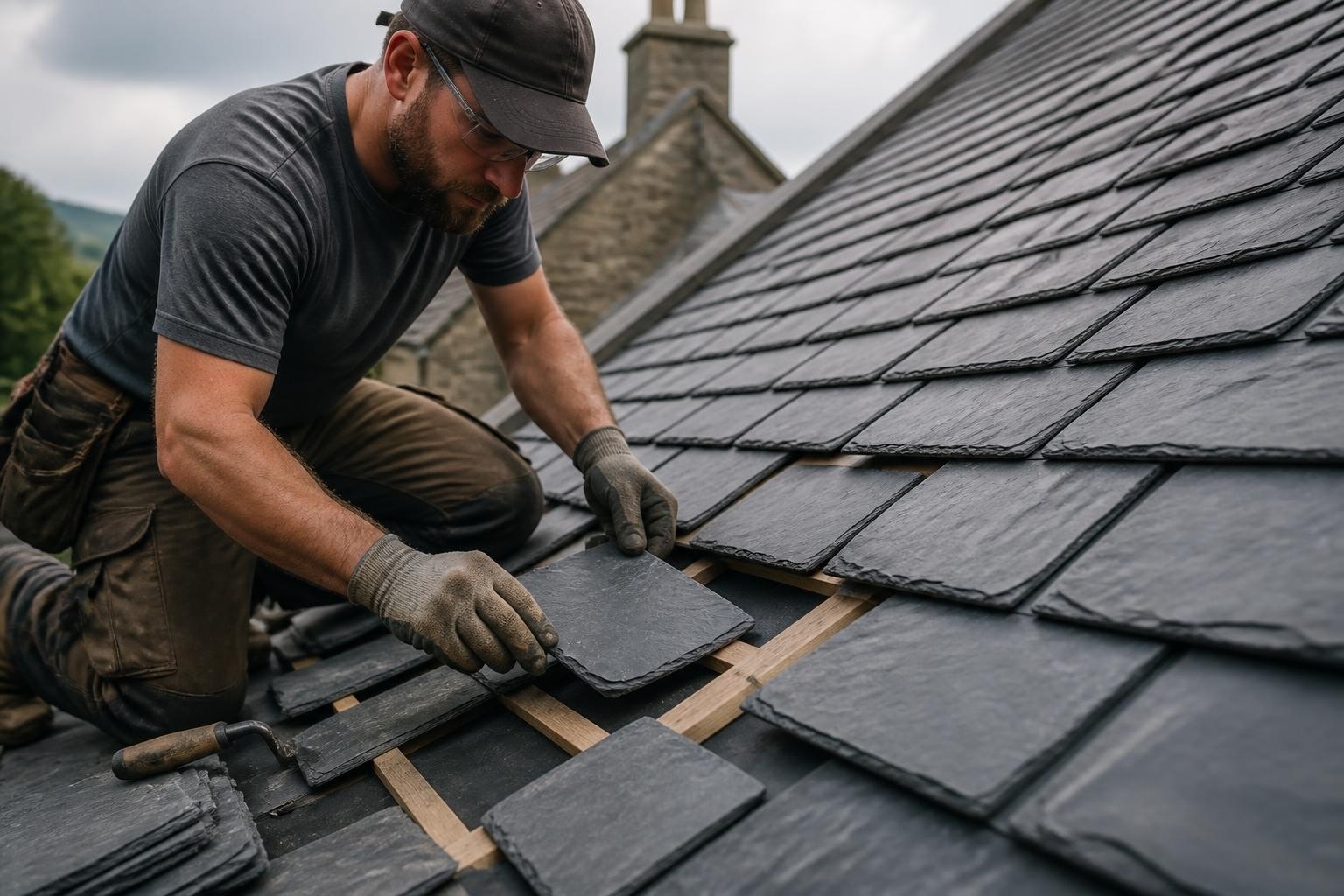
When homeowners and property managers consider premium roofing materials, slate consistently ranks among the most prestigious and long-lasting options available. However, installing and maintaining slate roofs requires specialized knowledge and expertise that goes far beyond standard roofing practices. Slate roofers represent a unique class of professionals who combine traditional craftsmanship with modern building science to work with this natural stone material. Understanding what sets these specialists apart helps property owners make informed decisions about their roofing investments and ensures they receive the quality workmanship their premium material deserves.
The Specialized Skills of Slate Roofers
Slate roofers possess a distinct skill set that differentiates them from general roofing contractors. Working with natural stone requires an understanding of the material's properties, weight distribution, and unique installation requirements.
Material Knowledge and Selection
Experienced slate roofers understand the nuances of different slate types and grades. According to ASTM standards for roofing slate, slate is graded as S1, S2, or S3 based on durability and expected service life. S1 slate can last over 75 years, while S2 typically performs well for 40-75 years, and S3 offers 20-40 years of service. Professionals must evaluate:
- Slate origin and quarry source
- Thickness variations (typically 3/16" to 1/2")
- Color consistency and fade resistance
- Mineral composition affecting longevity
- Weight per square (600-900 pounds for standard slate)
The ability to properly assess slate quality before installation prevents premature failures and ensures clients receive value matching their investment. Unlike standard asphalt shingles, slate selection requires expertise in geology and material science.
Structural Assessment Expertise
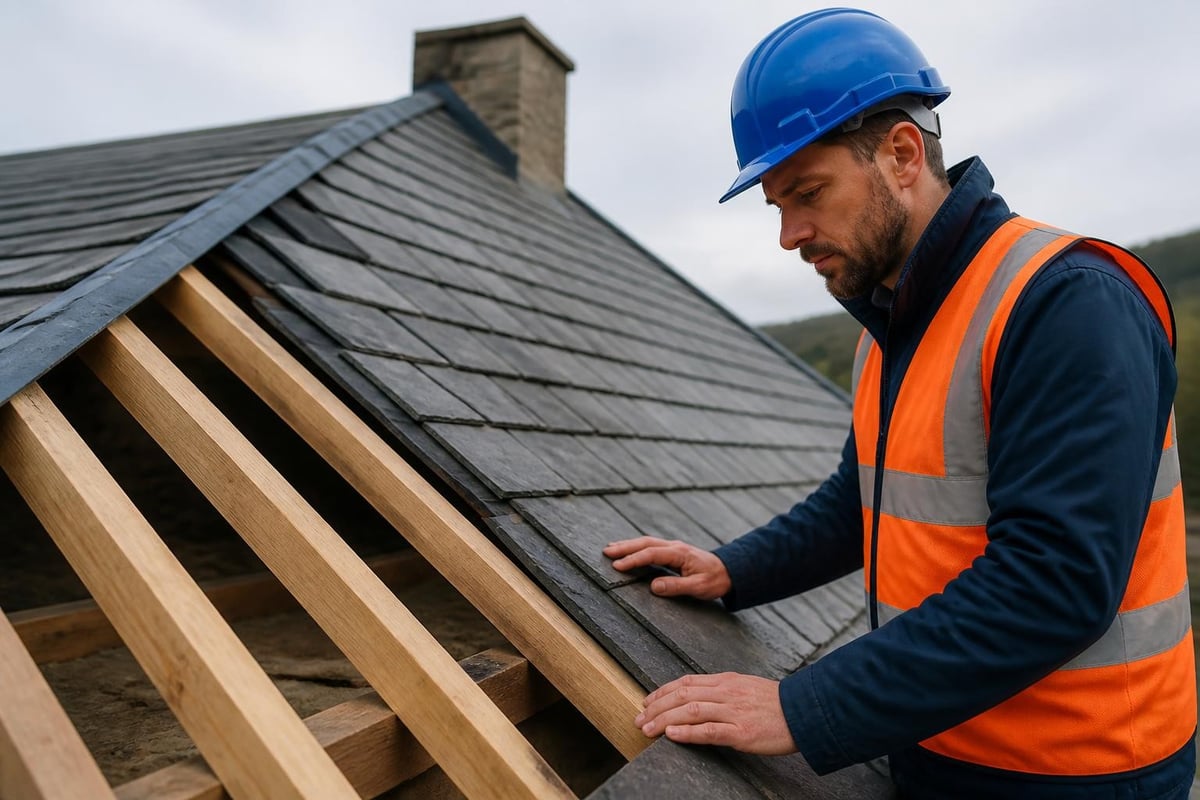
Before any slate installation begins, qualified slate roofers must evaluate whether the existing structure can support the substantial weight. A typical slate roof weighs 5-10 times more than asphalt shingle systems, requiring thorough structural analysis.
| Roofing Material | Weight per Square Foot |
|---|---|
| Asphalt Shingles | 2-3 pounds |
| Standard Slate | 7-9 pounds |
| Heavy Slate | 10-15 pounds |
| Architectural Shingles | 3-4 pounds |
Professionals must assess rafter spacing, beam capacity, and overall structural integrity to determine if reinforcement is necessary before installation proceeds.
Installation Techniques That Define Quality
The installation process for slate roofing demands precision and patience that separates amateur work from professional craftsmanship. Proper slate roofing installation involves multiple critical steps that impact the roof's performance for decades.
Underlayment and Deck Preparation
Expert slate roofers recognize that what goes beneath the slate matters just as much as the visible surface. Quality underlayment systems provide essential moisture protection and extend the overall system lifespan.
Modern underlayment choices include:
- Synthetic underlayment – Offers superior tear resistance and UV protection during installation
- Modified bitumen – Provides excellent waterproofing for commercial applications
- Ice and water shield – Critical for valleys, eaves, and penetration areas
- Traditional felt – Still used in historic restoration projects
The deck itself must be solid, preferably utilizing wood boards rather than plywood to accommodate individual nailing and repairs over time. Slate roofers understand that shortcuts in deck preparation compromise the entire installation.
Cutting and Fitting Precision
Each slate piece requires careful measurement, cutting, and placement. Professional slate roofers use specialized tools including slate cutters, hammers with pointed ends for punching holes, and stakes for creating precise nail holes.
The cutting process involves:
- Measuring each slate to fit specific roof areas
- Creating clean edges without cracks or chips
- Punching nail holes at proper distances from edges
- Beveling edges for valleys and hips
- Sorting slates by size for graduated installations
This meticulous attention to detail ensures proper water shedding and prevents premature failure. Unlike mass-produced shingles, each slate piece receives individual attention during installation.
Repair and Maintenance Expertise
Maintaining slate roofs requires different approaches than conventional roofing systems. Skilled slate roofers provide specialized repair services that address common issues while preserving the roof's integrity.
Common Repair Scenarios
When individual slates crack or slip, replacing them without damaging surrounding pieces requires finesse and specialized knowledge. The repair process involves:
- Carefully removing the damaged slate using a ripper tool
- Sliding the replacement slate into position
- Securing with copper or stainless steel fasteners
- Ensuring proper overlap and alignment
- Checking surrounding slates for potential issues
Slate roofers must also address:
- Flashing deterioration around chimneys and valleys
- Nail fatigue causing slate slippage
- Ice dam damage in northern climates
- Moss or algae growth requiring gentle cleaning
- Structural settling affecting alignment
Understanding when to repair versus replace sections requires experience and judgment. Similar to storm damage repair services for other roofing types, slate specialists must evaluate the extent of damage and provide honest assessments.
Preventive Maintenance Programs
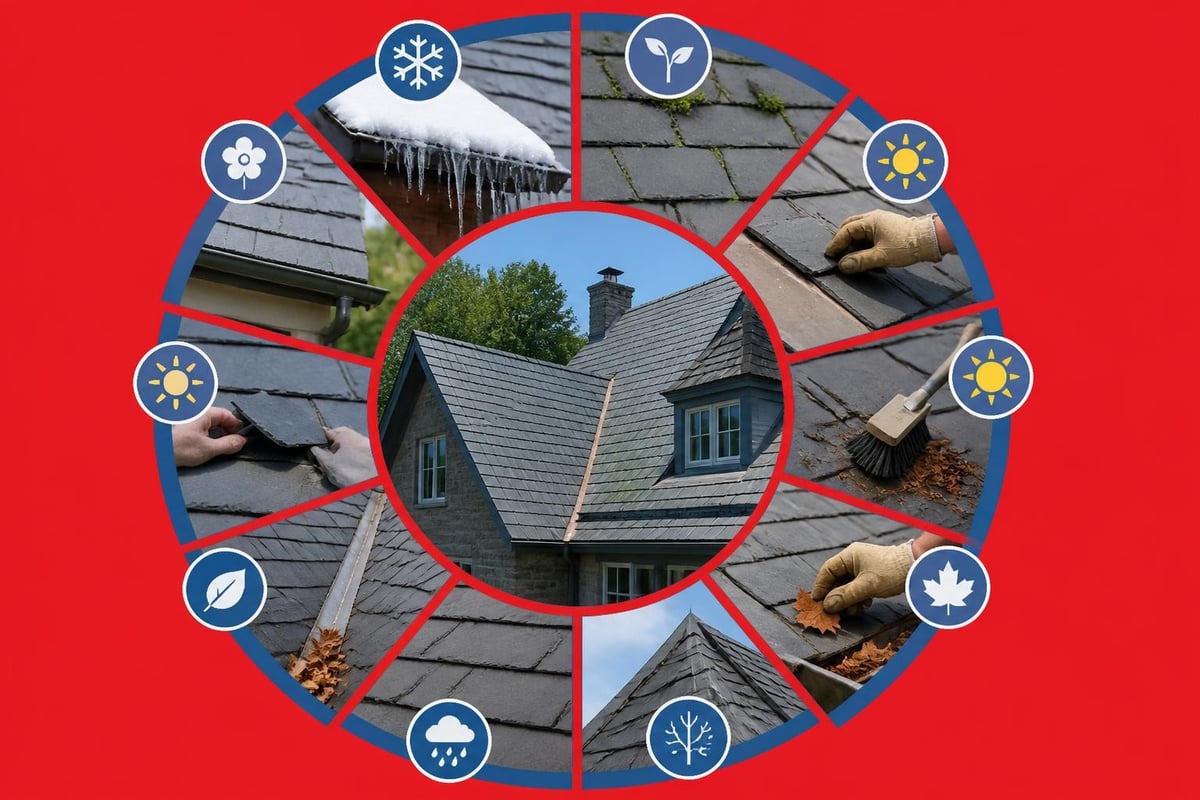
Regular maintenance practices extend slate roof lifespan significantly. Professional slate roofers offer inspection schedules tailored to the material's unique needs.
| Maintenance Task | Frequency | Purpose |
|---|---|---|
| Visual inspection | Annually | Identify loose or damaged slates |
| Gutter cleaning | Bi-annually | Prevent water backup |
| Flashing inspection | Every 2 years | Check metal deterioration |
| Professional assessment | Every 5 years | Comprehensive system evaluation |
These preventive measures catch small issues before they escalate into costly repairs. Experienced professionals know that addressing minor problems promptly preserves the roof's substantial investment value.
Working with Historic and Modern Applications
Slate roofers often work across a spectrum of applications, from historic restoration to contemporary architectural projects. This versatility requires adapting techniques while maintaining quality standards.
Historic Restoration Requirements
Restoring slate roofs on historic buildings demands additional expertise beyond standard installation. Slate roofers working on these projects must:
- Match existing slate colors and textures from discontinued quarries
- Replicate historical installation patterns and techniques
- Meet preservation standards and local ordinances
- Document original construction methods
- Source salvaged slate when original matching is impossible
Many historic slate roofs in the Joliet area and throughout Illinois feature distinctive patterns including:
- Standard American method with uniform exposure
- Graduated installations with decreasing slate sizes
- Decorative patterns incorporating multiple colors
- Textural slate with varying surface finishes
- Scalloped or fish-scale designs
Professionals specializing in restoration understand the historical context and craftsmanship that defined original installations.
Contemporary Slate Applications
Modern slate roofers also work with architects on new construction projects where slate provides distinctive aesthetic appeal and exceptional durability. Contemporary installations may incorporate:
- Energy-efficient underlayments and ventilation systems
- Integrated solar panel installations
- Modern flashing technologies using advanced materials
- Improved fastening systems for high-wind zones
- Rainwater harvesting system integration
While metal roof installers focus on different materials, slate specialists understand how their natural stone systems complement various architectural styles from traditional to ultra-modern designs.
Safety Considerations and Equipment
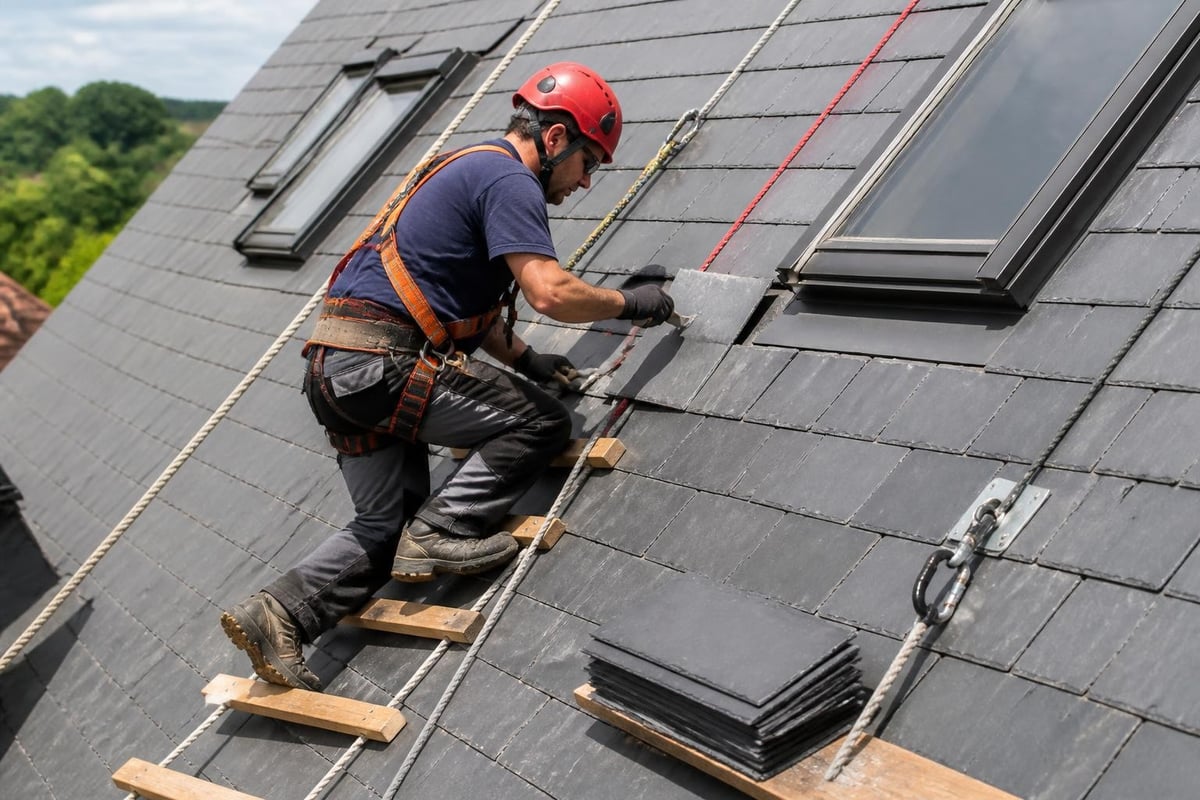
Working with slate presents unique safety challenges that professional slate roofers address through proper equipment and protocols. The material's weight, fragility, and installation requirements demand specialized safety measures.
Specialized Safety Equipment
Professionals working on slate roofs utilize:
- Reinforced roof jacks designed for heavy materials
- Ladder stabilizers rated for extended weight
- Personal fall arrest systems with proper anchoring
- Specialized footwear preventing slate damage
- Material handling equipment for heavy slate bundles
The combination of steep slopes, heavy materials, and height creates hazards requiring comprehensive safety planning. Reputable contractors maintain current safety certifications and insurance coverage protecting both workers and property owners.
Protecting Existing Slates During Work
Perhaps the most unique aspect of slate roofing safety involves protecting the existing roof during repairs or related work. Unlike asphalt shingles that tolerate foot traffic reasonably well, slate can crack under direct weight.
Professional slate roofers employ techniques including:
- Using specialized walking boards to distribute weight
- Planning access routes minimizing roof contact
- Working during optimal temperature conditions
- Placing ladder pads protecting edges
- Training crews on proper movement techniques
This careful approach prevents creating additional damage while completing necessary work. Similar attention to detail applies when addressing roof leak repairs on slate systems.
Selecting Qualified Slate Roofing Professionals
Given the specialized nature of slate work, choosing the right contractor requires more thorough vetting than standard roofing projects. Property owners should evaluate several key factors when selecting slate roofers.
Certification and Training
While general roofing contractors may claim ability to work with slate, specialized certification demonstrates commitment to proper techniques. Look for professionals with:
- Manufacturer-specific slate installation training
- Membership in slate roofing associations
- Documentation of completed slate projects
- References from previous slate installations
- Understanding of proper installation standards
Experience matters significantly when working with premium materials. Ask potential contractors about their slate-specific project history and request documentation of successful installations.
Insurance and Warranty Considerations
Slate installations represent substantial investments requiring appropriate contractor insurance coverage. Verify that slate roofers carry:
| Coverage Type | Minimum Recommended |
|---|---|
| General liability | $2 million |
| Workers' compensation | State-required limits |
| Property damage | $1 million |
| Professional liability | $1 million |
Additionally, understand warranty distinctions between material warranties (typically provided by slate suppliers) and workmanship warranties (provided by the installer). Quality contractors offer substantial workmanship warranties reflecting confidence in their installation techniques.
Cost Expectations and Value
Slate roofing costs significantly exceed standard materials, with installation typically ranging from $15-30 per square foot depending on slate quality, roof complexity, and regional labor rates. However, the longevity and performance justify the investment.
When comparing proposals from different slate roofers, evaluate:
- Slate grade and expected service life
- Underlayment quality and warranty
- Flashing material specifications (copper versus galvanized)
- Fastener quality (stainless steel or copper)
- Scope of preparatory structural work
The lowest bid rarely represents the best value for slate installations. Cutting corners on materials or installation techniques undermines the durability advantage that makes slate worthwhile initially.
Regional Considerations for Slate Roofing
Climate and local building codes impact slate roofing requirements, making regional expertise valuable. Slate roofers familiar with Midwest conditions understand specific challenges affecting performance and longevity.
Weather Impacts on Slate Performance
Illinois weather patterns create unique demands on roofing systems. Temperature fluctuations, freeze-thaw cycles, and occasional severe weather require proper installation techniques addressing:
- Ice dam prevention through adequate ventilation
- Flashing details managing heavy snow loads
- Wind resistance in storm-prone areas
- Thermal expansion accommodation
- Moisture management during humid summers
Professional slate roofers design installations accounting for local climate patterns, similar to how storm damage repair contractors understand regional weather impacts.
Building Code Compliance
Local building departments may have specific requirements for slate installations, particularly regarding:
- Structural loading calculations and permits
- Fire rating requirements for the material
- Fastener specifications for wind zones
- Valley and flashing details
- Underlayment and ice barrier requirements
Experienced local slate roofers navigate these regulations efficiently, ensuring installations meet all applicable codes without unnecessary delays or complications.
Comparing Slate to Alternative Premium Materials
While slate offers exceptional benefits, understanding how it compares to other premium roofing materials helps property owners make informed decisions. Slate roofers can provide objective comparisons based on specific project requirements.
Slate Versus Metal Roofing
Both materials offer longevity exceeding standard asphalt, but with different characteristics:
Slate advantages:
- Natural aesthetic appeal and authenticity
- Superior fire resistance
- Extreme longevity (75-200 years for quality slate)
- Minimal maintenance requirements
- Excellent sound dampening
Metal advantages:
- Lower weight requiring less structural support
- Faster installation timelines
- Better performance in extreme wind conditions
- Wider color range with modern finishes
- Easier integration with solar panels
The choice often depends on architectural style, structural capacity, and long-term ownership plans.
Slate Versus Synthetic Alternatives
Modern synthetic slate products attempt to replicate natural slate's appearance at reduced cost and weight. However, significant differences remain:
| Characteristic | Natural Slate | Synthetic Slate |
|---|---|---|
| Lifespan | 75-200+ years | 30-50 years |
| Weight | 700-900 lbs/square | 400-500 lbs/square |
| Cost | $15-30/sq ft | $8-12/sq ft |
| Maintenance | Minimal | Moderate |
| Resale value impact | Significant | Moderate |
Experienced slate roofers help clients understand these tradeoffs based on budget, timeline, and property goals.
The Future of Slate Roofing
Despite being one of the oldest roofing materials, slate continues evolving through improved installation techniques and integration with modern building systems. Forward-thinking slate roofers stay current with industry developments.
Sustainable Building Integration
Slate's natural composition and extreme longevity align perfectly with sustainable building principles. Modern applications include:
- Salvaged slate reuse from demolished buildings
- Local quarry sourcing reducing transportation impacts
- Recyclability at end of service life
- Minimal manufacturing energy compared to synthetic materials
- Contribution to LEED and green building certifications
As environmental consciousness grows, slate's inherent sustainability advantages become increasingly valued by property owners prioritizing ecological responsibility.
Technology Integration
Contemporary slate installations incorporate modern technologies while preserving traditional craftsmanship. Innovations include:
- Advanced underlayments with improved moisture barriers
- Drone inspections for maintenance assessment
- Digital project management and documentation
- 3D modeling for complex roof designs
- Improved lifting equipment for material handling
These technologies enhance efficiency and quality without compromising the fundamental techniques that ensure slate roof longevity. Just as certified roofing specialists adopt new methods for conventional materials, slate professionals balance innovation with proven practices.
Understanding what slate roofers do and the specialized expertise they bring helps property owners make informed decisions about premium roofing investments. Whether you're considering slate for new construction, planning repairs on an existing slate roof, or evaluating options for roof replacement, working with experienced professionals ensures quality results. While Great Roofing specializes in residential shingle and commercial modified bitumen systems for Joliet-area properties, we understand the importance of matching roofing materials and contractors to specific project needs. Contact our family-owned team to discuss your roofing requirements and explore the best solutions for your property's protection and value.