

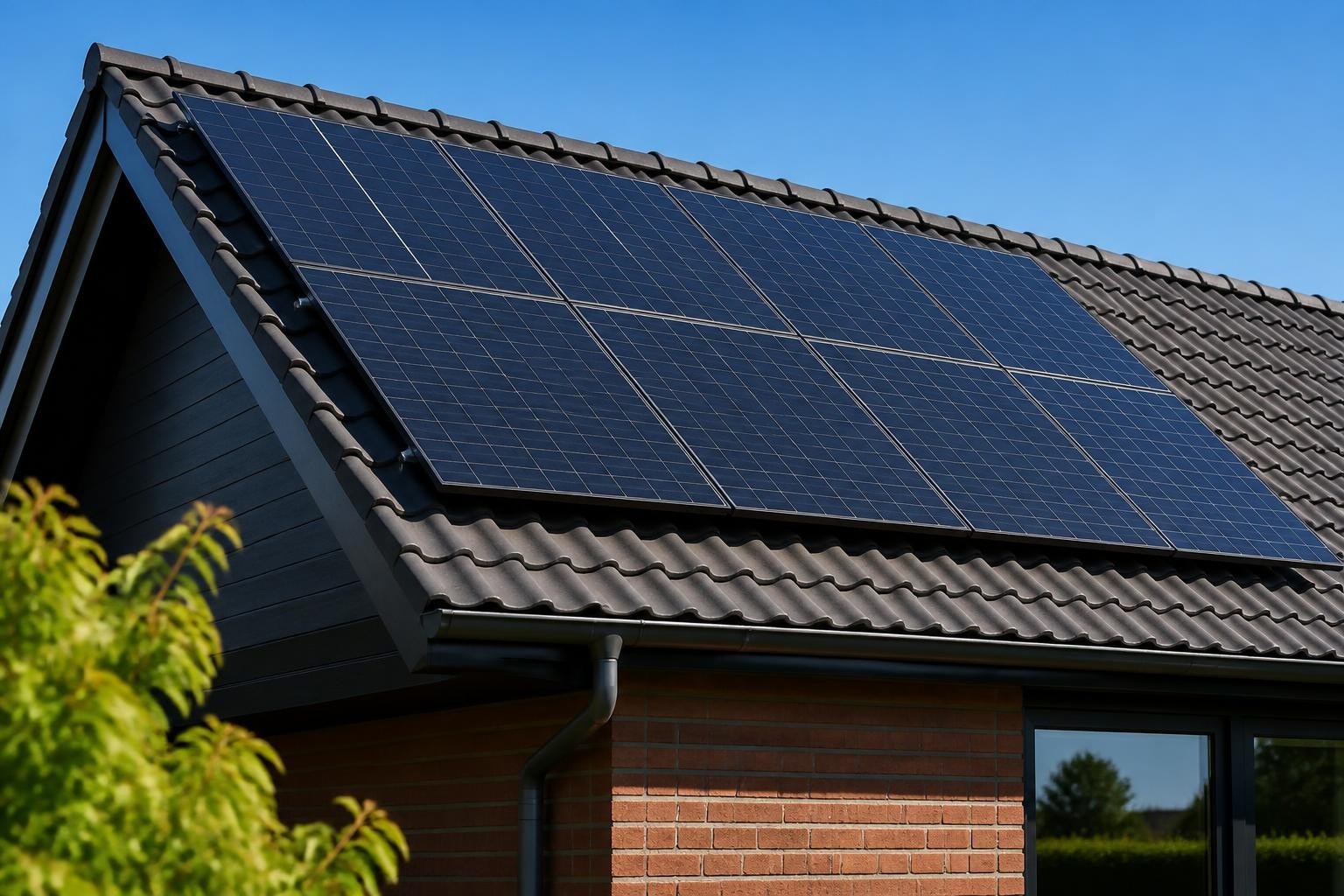
The roofing industry is experiencing a transformative shift as solar technology becomes increasingly integrated with traditional roofing services. A qualified solar roofer combines expertise in both roofing installation and photovoltaic systems, offering homeowners and businesses a comprehensive solution for energy-efficient building envelopes. As energy costs continue to rise and environmental concerns drive sustainable building practices, the demand for professionals who understand both disciplines has never been higher. This specialized field requires technical knowledge of roofing materials, structural integrity, electrical systems, and solar panel mounting techniques to deliver safe, durable, and efficient installations.
Understanding the Solar Roofer Profession
A solar roofer represents a specialized niche within the roofing industry, requiring dual expertise in traditional roofing methods and solar panel installation. These professionals assess roof conditions, determine structural capacity, and install solar arrays while maintaining the weatherproofing integrity that protects buildings from the elements.
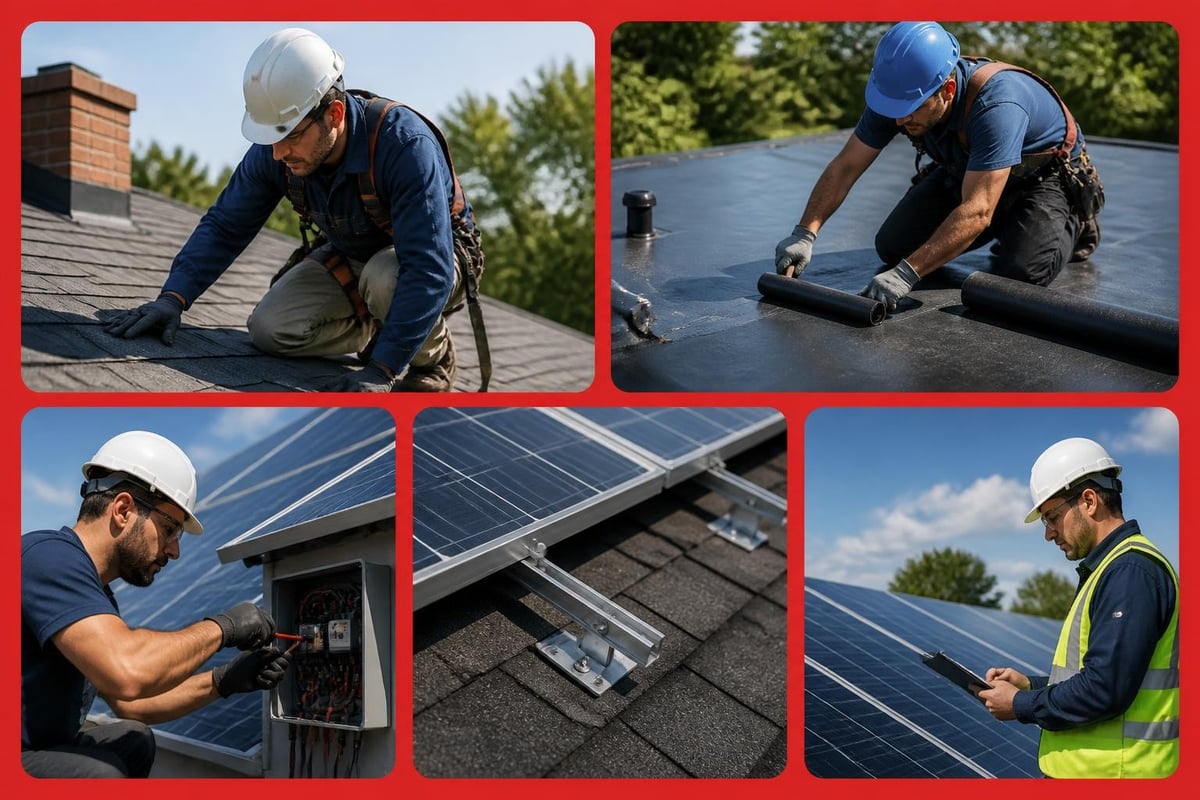
The role extends beyond simple installation. Solar roofers must evaluate whether existing roofs can support additional weight, identify potential leak points, and ensure proper flashing around mounting hardware. They work closely with electrical contractors and building inspectors to ensure code compliance and system safety.
Key Responsibilities and Skills
Professional solar roofers perform comprehensive roof assessments before any installation begins. They examine roof age, material condition, structural support, and orientation to determine solar viability. This evaluation prevents costly mistakes and ensures maximum system performance.
Essential technical competencies include:
- Structural load calculations and roof framing analysis
- Waterproofing techniques for penetration points
- Electrical safety protocols and DC system understanding
- Local building codes and permitting requirements
- Different mounting systems for various roof types
The integration of these skills separates qualified solar roofers from general contractors attempting solar installations. Improper installations can void roof warranties, create leak pathways, and compromise both roofing and solar system performance.
Roof Type Considerations for Solar Installation
Different roofing materials require specific installation approaches to maintain integrity while supporting solar arrays. Understanding these variations is critical for successful solar roofer work, as different roof materials affect rooftop solar installations in significant ways.
Asphalt Shingle Roofs
Asphalt shingles remain the most common residential roofing material in North America, making them a frequent substrate for solar installations. Solar roofers typically use lag bolts that penetrate through shingles into rafters, with proper flashing and sealant preventing water intrusion.
The relatively straightforward installation process on shingle roofs makes them cost-effective for solar projects. However, solar roofers must consider the age of existing shingles, as replacing a roof after solar installation adds significant expense. Most professionals recommend roof replacement before solar panel installation if shingles have less than ten years of remaining lifespan.
| Roof Type | Installation Difficulty | Cost Impact | Special Considerations |
|---|---|---|---|
| Asphalt Shingle | Low | Standard | Roof age critical |
| Metal Standing Seam | Low | Low | Clamp systems available |
| Tile (Clay/Concrete) | High | High | Tile removal/replacement |
| Flat/Modified Bitumen | Medium | Medium | Ballasted systems common |
| Wood Shake | Medium-High | High | Fire code restrictions |
Metal Roofing Systems
Metal roofs offer exceptional advantages for solar installations. Standing seam metal roofs allow solar roofers to use non-penetrating clamp systems that attach directly to raised seams, eliminating roof penetrations entirely. This approach maintains complete roof integrity while providing secure mounting.
Commercial buildings often feature metal roofing systems, making them ideal candidates for large-scale solar arrays. The longevity of metal roofs-often 40 to 60 years-aligns well with solar panel lifespans, eliminating concerns about premature roof replacement.
Tile and Specialty Roofs
Clay and concrete tile roofs present unique challenges for solar roofers. Installation requires carefully removing tiles, installing mounts through the underlayment, and replacing tiles around mounting hardware. Safe solar panel mounting options by roof type vary significantly, with tile roofs requiring the most specialized techniques.
Specialty roofing materials like slate or wood shake require even more careful consideration. Some materials may not support solar installations without extensive modifications, while others face restrictions due to fire codes or historical preservation requirements.
Commercial Applications and Modified Bitumen Systems
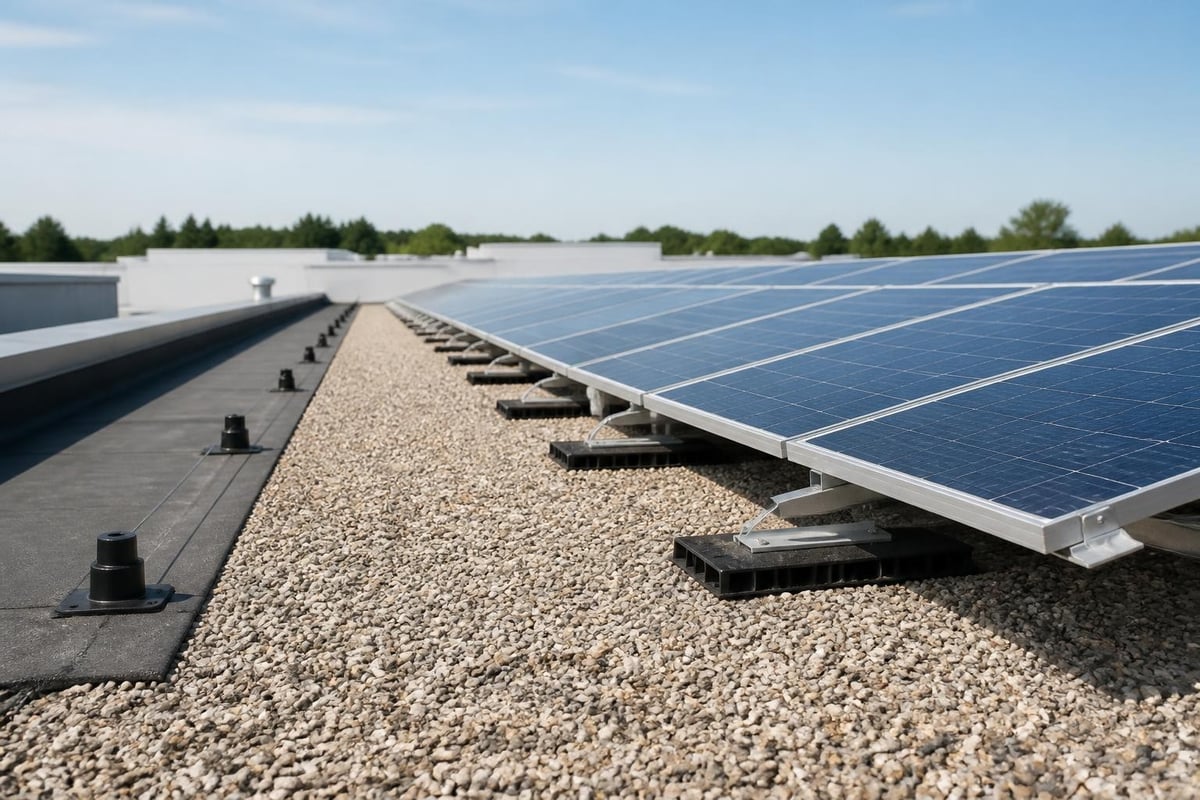
Commercial solar roofer work often involves modified bitumen and other low-slope roofing systems common on commercial buildings. These installations typically use ballasted mounting systems that require minimal roof penetrations, distributing weight across the roof surface.
Ballasted System Advantages
Ballasted solar systems use concrete blocks or other heavy materials to secure panels without roof penetrations. This approach is particularly valuable for modified bitumen roofs, where minimizing penetrations preserves the monolithic waterproofing membrane.
Key benefits of ballasted commercial systems:
- Minimal roof penetrations reduce leak risk
- Faster installation with lower labor costs
- Easier system removal or relocation
- Reduced impact on existing roof warranties
- Ideal for flat or low-slope commercial roofs
Solar roofers working with commercial properties must verify structural capacity for additional weight. Ballasted systems can add 3-5 pounds per square foot, requiring thorough structural analysis before installation proceeds.
Installation Best Practices and Safety
Professional solar roofers follow strict installation protocols to ensure system longevity and building protection. Tesla’s training manual for solar roof installation outlines comprehensive best practices that apply across all solar roofing projects.
Pre-Installation Assessment
Before any equipment reaches the roof, qualified solar roofers conduct thorough inspections. They examine roof decking for rot or damage, verify rafter spacing and structural support, and identify potential obstacles like vents, chimneys, or skylights that affect panel placement.
This assessment phase prevents mid-project surprises that increase costs and timelines. Discovery of damaged decking or inadequate framing during installation creates expensive delays and may require storm damage repair services before solar work can proceed.
Waterproofing and Flashing Techniques
Proper flashing around mounting hardware represents the most critical aspect of solar roofer work. Every roof penetration creates a potential leak point that must be meticulously sealed. Professional installers use multiple layers of protection, including specialized solar flashing, high-quality sealants, and proper shingle integration.
The flashing must accommodate thermal expansion and contraction while maintaining watertight seals through temperature extremes, UV exposure, and weather events. Inferior waterproofing techniques often don't fail immediately, instead creating slow leaks that cause extensive hidden damage over years.
Safety Protocols and Equipment
Solar roofer work involves significant safety risks, combining traditional roofing hazards with electrical dangers from DC power systems. Professional crews implement comprehensive fall protection, use proper personal protective equipment, and follow electrical safety lockout/tagout procedures.
Insurance requirements for solar roofer businesses typically exceed standard roofing contractor coverage due to these combined risks. Homeowners and property managers should verify that contractors carry appropriate licensing, bonding, and insurance before beginning work.
Market Trends and Industry Growth
The solar roofing industry is experiencing unprecedented expansion. According to market analysis, the solar roofing market is expected to grow substantially through 2030, driven by declining technology costs, improved efficiency, and supportive government policies.
Federal and State Incentives
Federal investment tax credits continue to drive residential and commercial solar adoption. The current 30% federal tax credit applies to both solar equipment and installation costs, significantly reducing project expenses for property owners.
State and local incentives vary widely, creating regional market differences. Some areas offer additional rebates, property tax exemptions, or performance-based incentives that stack with federal credits. Solar roofers operating across multiple jurisdictions must stay current on varying incentive programs to provide accurate cost projections.
Recent reports on expiring incentives show that approaching deadline dates create market surges as customers rush to capture maximum benefits.
Technology Advancements
Solar panel efficiency continues improving, with 2026 residential panels commonly achieving 22-24% efficiency compared to 15-18% just five years ago. Higher efficiency means smaller arrays produce equivalent power, reducing roof coverage requirements and installation complexity.
Integrated solar roofing products represent another significant trend. These systems replace traditional roofing materials with photovoltaic elements, creating seamless aesthetic integration. While currently more expensive than rack-mounted panels, integrated products appeal to homeowners prioritizing appearance over pure economics.
Working with Established Roofing Contractors
Property owners considering solar installations benefit from working with established roofing contractors who have expanded into solar services. These businesses bring critical roofing expertise that pure solar companies may lack, ensuring both systems function optimally.
Advantages of Roofing-First Solar Providers
Companies like Great Roofing that have added solar capabilities understand roof systems thoroughly. They recognize when existing roofs require attention before solar installation, preventing situations where panels must be removed for premature roof leak repairs.
This integrated approach also simplifies warranty coverage. When separate companies install roofing and solar systems, disputes over leak sources can create warranty gaps. A single contractor responsible for both eliminates finger-pointing and ensures accountability.
Evaluating Solar Roofer Qualifications
Not all roofing contractors possess equal solar expertise. Property owners should verify specific credentials when selecting a solar roofer:
- NABCEP certification for solar installation professionals
- Manufacturer certifications from major panel and inverter companies
- Electrical contractor licensing or partnership with licensed electricians
- Track record with solar installations on similar roof types
- Comprehensive insurance covering both roofing and solar work
References from recent solar projects provide valuable insight into contractor performance. Speaking with previous customers reveals whether projects completed on schedule, within budget, and without post-installation issues.
Cost Considerations and Project Economics
Solar roofer project costs vary significantly based on roof complexity, system size, equipment selection, and regional market conditions. Understanding cost structures helps property owners budget appropriately and evaluate proposals accurately.
Installation Cost Components
Total installed costs include multiple elements beyond panel prices. Mounting hardware, electrical components, permitting fees, inspection costs, and labor all contribute to final project expenses. Roof modifications or repairs add further costs that must be addressed for successful installations.
Typical residential cost breakdown:
| Component | Percentage of Total | Notes |
|---|---|---|
| Solar Panels | 25-30% | Equipment only |
| Inverter/Electrical | 10-15% | Including monitoring |
| Mounting Hardware | 8-12% | Varies by roof type |
| Labor/Installation | 30-40% | Largest variable cost |
| Permits/Inspection | 3-5% | Jurisdiction dependent |
| Soft Costs | 10-15% | Design, engineering, overhead |
Complex roof geometries increase installation labor significantly. Multiple roof planes, steep pitches, limited access, or tile roofing can add 20-50% to baseline installation costs compared to simple asphalt shingle roofs.
Return on Investment Timeline
Solar roofer installations represent long-term investments with payback periods typically ranging from 6 to 12 years depending on energy costs, system size, and available incentives. Regions with high electricity rates and strong incentive programs see faster payback, while areas with cheap conventional power require longer to achieve positive returns.

System durability plays a crucial role in long-term economics. Quality solar roofer work ensures installations last 25-30 years with minimal maintenance, while poor installation practices create repair costs that undermine financial benefits. The difference in cost of asphalt shingles versus solar roofing materials represents just one factor in complex economic calculations.
Maintenance and Long-Term Performance
Professional solar roofer installations require minimal but important ongoing maintenance. Regular inspections ensure continued performance and identify small issues before they become expensive problems.
Routine Inspection Requirements
Annual inspections by qualified solar roofers check mounting hardware integrity, electrical connections, and roof condition around penetration points. These inspections catch developing problems like loose bolts, degrading sealants, or pest damage that could compromise system performance or building protection.
Panel cleaning frequency depends on local conditions. Areas with frequent rain may never require cleaning, while dusty or pollen-heavy environments benefit from periodic washing. Most solar roofers recommend professional cleaning every 2-3 years in typical conditions.
Warranty Coverage and Service
Quality solar installations include multiple warranty layers. Panel manufacturers typically provide 25-year performance warranties, while inverter warranties range from 10-25 years depending on equipment selection. Installation workmanship warranties from reputable solar roofers cover labor and waterproofing for 5-10 years.
Understanding warranty terms prevents surprises when issues arise. Some warranties require professional maintenance to remain valid, while others exclude certain types of damage. Working with certified roofing specialists ensures proper documentation and warranty registration from project inception.
Integration with Existing Roofing Services
Forward-thinking roofing contractors increasingly view solar capabilities as essential service expansion. This integration benefits customers through streamlined project management and unified accountability for building envelope performance.
Comprehensive Building Envelope Solutions
Modern roofing contractors offer complete exterior services including roofing, siding, gutters, and now solar installations. This comprehensive approach ensures all building envelope components work together effectively. For instance, roofers and siding specialists understand how solar conduit routing affects siding appearance and functionality.
Property managers and homeowners appreciate single-source solutions that eliminate coordination challenges between multiple contractors. One point of contact, unified scheduling, and integrated warranties simplify complex renovation projects.
Storm Damage and Solar Systems
Solar panels generally withstand severe weather well, but extreme events occasionally cause damage. Solar roofers experienced with storm damage repair can efficiently assess and repair both roofing and solar system damage after severe weather events.
Hail represents the most common storm threat to solar installations. Modern panels undergo rigorous impact testing, but golf-ball-sized hail or larger can crack cells or glass. Experienced solar roofers work with insurance adjusters to document damage and restore full system functionality.
Future Outlook and Industry Evolution
The solar roofer profession continues evolving as technology advances and market dynamics shift. Current trends in solar roofing indicate sustained growth despite periodic market fluctuations driven by policy changes or economic conditions.
Emerging Technologies
Battery storage integration represents the next frontier for residential and commercial solar installations. Solar roofers increasingly coordinate with electricians to install whole-home battery systems that store excess solar production for nighttime use or grid outages.
Building-integrated photovoltaics continue advancing, with solar shingles and tiles becoming more competitive with traditional rack-mounted systems. These products appeal to homeowners in strict homeowner associations or historic districts where traditional panels face restrictions.
Workforce Development Needs
The expanding solar roofer market requires substantial workforce development. Trade schools and community colleges increasingly offer combined roofing and solar training programs to meet industry demand. Experienced roofing professionals can transition into solar work through focused training on electrical systems and panel installation techniques.
Industry associations project continued labor shortages through 2030 as demand outpaces qualified worker availability. This creates opportunities for established roofing contractors to differentiate themselves through verified solar expertise and comprehensive service offerings.
Selecting a qualified solar roofer ensures your investment delivers maximum returns while protecting your property's structural integrity. The specialized knowledge required to properly integrate solar systems with existing or new roofing demands professionals who understand both disciplines thoroughly. Whether you're considering solar for your home or commercial property in the Joliet area, Great Roofing combines family-owned reliability with comprehensive expertise in roofing systems and solar integration, delivering quality installations that stand the test of time.