

When severe weather strikes your property, understanding the storm damage claim process can make the difference between a smooth recovery and a prolonged nightmare. Whether you're dealing with hail, wind, or tornado damage to your roof, knowing how to navigate insurance claims ensures you receive fair compensation for repairs. The process involves multiple steps, strict documentation requirements, and often complex negotiations with insurance adjusters. This comprehensive guide walks you through everything you need to know about filing and managing a successful claim.
Understanding Your Insurance Coverage Before Storm Season
Homeowners insurance policies vary significantly in their coverage of weather-related damage. Most standard policies cover wind, hail, and tornado damage, but understanding your specific policy details is crucial before disaster strikes.
Review these key policy elements:
- Deductibles: Determine whether you have a standard deductible or a percentage-based wind/hail deductible
- Replacement cost vs. actual cash value: Understand how your roof will be valued
- Policy limits: Know the maximum amount your insurer will pay for roof damage
- Exclusions: Identify what types of damage or circumstances aren't covered
Many homeowners discover gaps in their coverage only after filing a storm damage claim. Take time during calm weather to review your policy documents and contact your insurance agent with questions. Understanding whether you have hurricane insurance coverage and what it entails can prevent unpleasant surprises when you need it most.
Different Types of Storm Damage
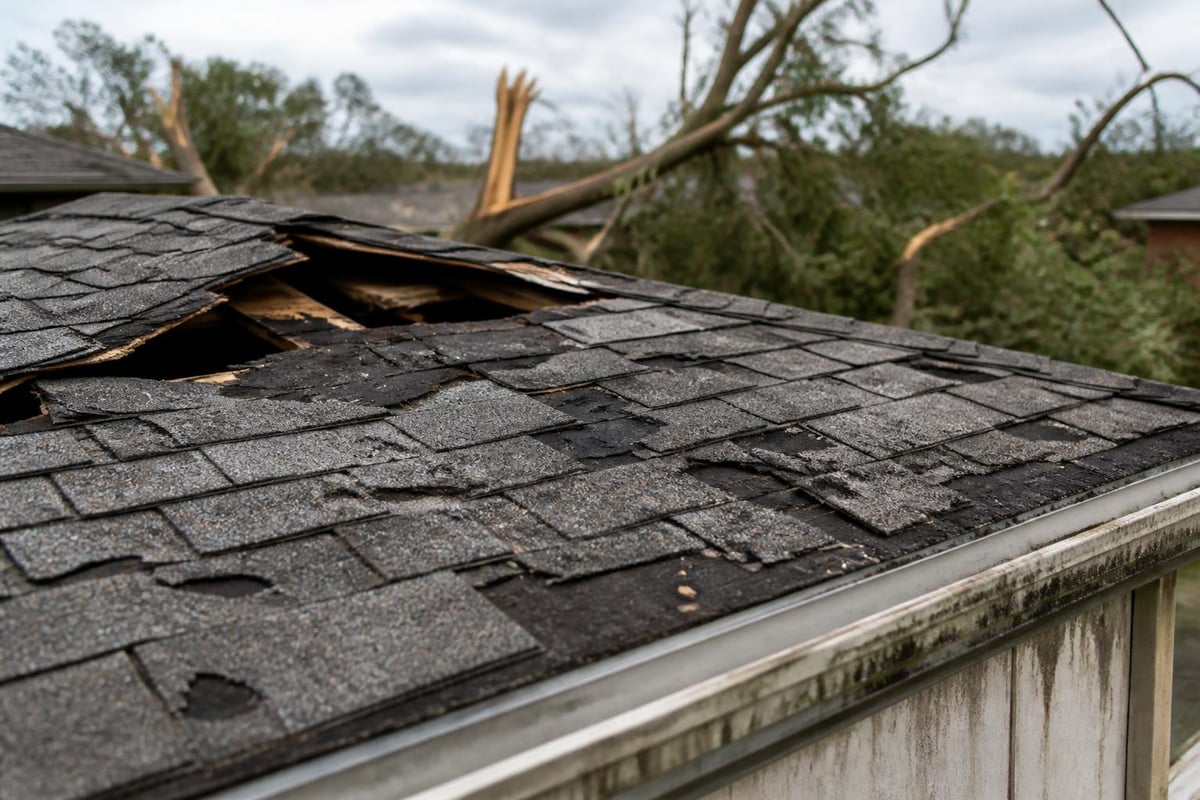
Roofing systems can sustain various types of storm damage, each requiring specific documentation and assessment approaches. Wind damage typically manifests as lifted or missing shingles, compromised flashing, and damaged ventilation components. Hail creates distinct circular dents or bruises on shingles, often visible only to trained professionals.
Tornado damage represents the most severe category, potentially causing complete roof structure failure. When assessing storm damage to your roof, professional inspection becomes essential because some damage isn't immediately visible from the ground.
The Initial Assessment and Documentation Phase
Immediate action after a storm significantly impacts your storm damage claim outcome. Safety comes first, so never climb onto a damaged roof yourself. Instead, conduct a safe visual inspection from the ground, looking for obvious signs like missing shingles, damaged gutters, or debris accumulation.
Creating a Comprehensive Damage Inventory
Documentation forms the foundation of every successful claim. Start by photographing all visible damage from multiple angles, including:
- Wide-angle shots showing the overall roof condition
- Close-up images of specific damage points
- Interior photos of any water stains or leaks
- Landscape damage that indicates storm severity
- Dated images with timestamp features enabled
Create a detailed written inventory describing each damaged area, its approximate size, and the date you discovered it. This documentation becomes invaluable during adjuster negotiations and prevents disputes about damage timing.
Professional roofing contractors like those specializing in hail damage to asphalt shingles can identify subtle damage that untrained eyes might miss. They understand what insurance adjusters look for and can provide detailed reports supporting your claim.
| Documentation Element | Purpose | Best Practices |
|---|---|---|
| Photographs | Visual evidence of damage | Take before cleanup, multiple angles |
| Written descriptions | Detail damage specifics | Include measurements and locations |
| Professional inspection report | Expert assessment | Obtain before filing claim |
| Repair estimates | Cost documentation | Get multiple competitive bids |
Filing Your Storm Damage Claim Properly
Timing matters when filing insurance claims. Most policies require notification within a specific timeframe, typically 30 to 60 days after discovering damage. However, contacting your insurer promptly demonstrates diligence and prevents potential coverage disputes.
When you contact your insurance company, provide clear, factual information about the storm date, damage type, and extent. Avoid speculating about repair costs or damage severity beyond what you've documented. The insurer will assign a claim number and schedule an adjuster visit.
Working With Insurance Adjusters
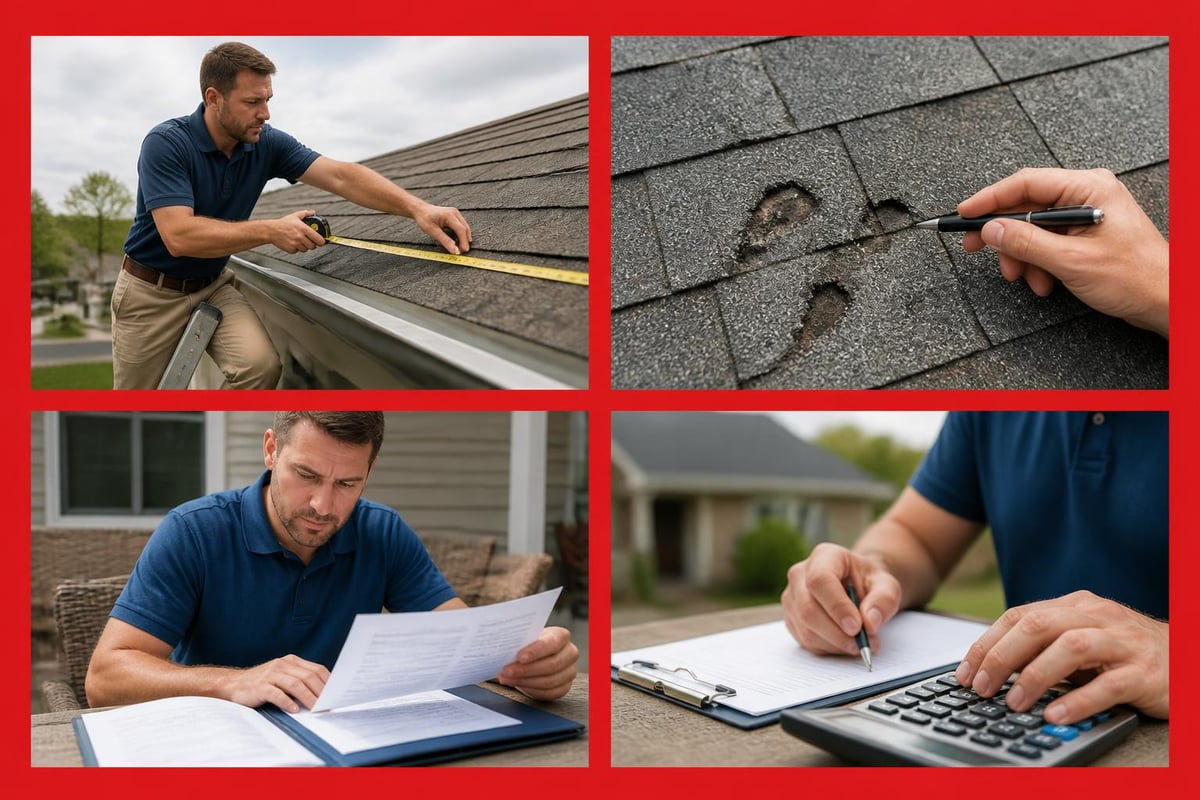
The adjuster's assessment directly impacts your claim payout. They'll inspect your roof, review your documentation, and determine covered damage. Being present during this inspection allows you to point out specific damage and ask questions about their findings.
Prepare for the adjuster visit by:
- Gathering all documentation in an organized format
- Having your professional inspection report available
- Preparing a list of questions about coverage and process
- Understanding your policy terms and covered items
Some adjusters may undervalue damage or miss critical issues. Having your own professional roofing assessment provides a comparison point. If you're dealing with tornado insurance claims, the complexity increases significantly, making professional guidance even more valuable.
Navigating Common Claim Challenges
Storm damage claims frequently encounter obstacles that can delay or reduce settlements. Understanding these challenges helps you prepare appropriate responses and maintain claim momentum.
Dealing With Claim Denials
Insurance companies sometimes deny claims based on assertions that damage resulted from wear and tear rather than covered storm events. They may also cite maintenance neglect or pre-existing conditions. When facing denial, request detailed written explanations citing specific policy language.
You have the right to dispute denials through your insurer's appeals process. Gather additional evidence, obtain independent professional assessments, and document your roof's condition before the storm if possible. Before filing, consider whether pursuing a hail damage insurance claim is worth the cost, weighing potential premium increases against repair costs.
Understanding Depreciation and Actual Cash Value
Many policies pay claims in two stages: actual cash value initially, then recoverable depreciation after repairs complete. Actual cash value equals replacement cost minus depreciation based on your roof's age and condition. This means you might receive only 60-70% of repair costs upfront.
To recover depreciation, complete repairs using a licensed contractor and submit final invoices to your insurer. Failing to complete repairs within the policy timeframe forfeits recoverable depreciation amounts.
Selecting the Right Roofing Contractor
Your choice of roofing contractor significantly affects both repair quality and claim success. Insurance companies require licensed, insured contractors who meet specific standards. Choosing a contractor familiar with insurance work streamlines the process.
Red Flags to Avoid
Storm-chasing contractors who appear immediately after severe weather often engage in questionable practices. They may offer to waive deductibles, promise inflated claims, or pressure immediate signing. These tactics can violate insurance policy terms and leave you liable.
Look for these contractor qualifications:
- Local establishment with verifiable business history
- Proper licensing and comprehensive insurance coverage
- Experience with insurance claim documentation
- Willingness to provide detailed written estimates
- References from recent similar projects
Working with established local roofers who understand regional weather patterns and building codes ensures compliance with all requirements. They can also coordinate directly with adjusters to resolve discrepancies in damage assessments.
The Repair Authorization and Completion Process
Once your storm damage claim receives approval, the repair phase begins. Review your insurance settlement carefully, ensuring it covers all identified damage and necessary repairs. The settlement should include materials, labor, permits, and disposal costs.
Managing the Repair Timeline
Most insurance policies specify timeframes for completing repairs after settlement. Delays beyond these periods may affect your recoverable depreciation or create coverage gaps for additional damage.
Coordinate closely with your chosen contractor to schedule repairs promptly. Weather conditions, material availability, and contractor scheduling all influence timelines. Professional contractors provide realistic completion schedules and communicate delays promptly.
Quality repairs require appropriate materials and techniques. For shingle roof repairs, ensure your contractor uses materials matching your policy specifications. Many policies require like-kind replacement, meaning similar quality and appearance to original materials.
| Repair Phase | Typical Duration | Key Considerations |
|---|---|---|
| Insurance approval | 2-4 weeks | Document submission completeness |
| Contractor scheduling | 1-3 weeks | Weather and material availability |
| Permit acquisition | 1-2 weeks | Local jurisdiction requirements |
| Actual repairs | 3-7 days | Roof size and damage extent |
| Final inspection | 1 week | Insurance and building department |
Preventing Future Storm Damage Claims
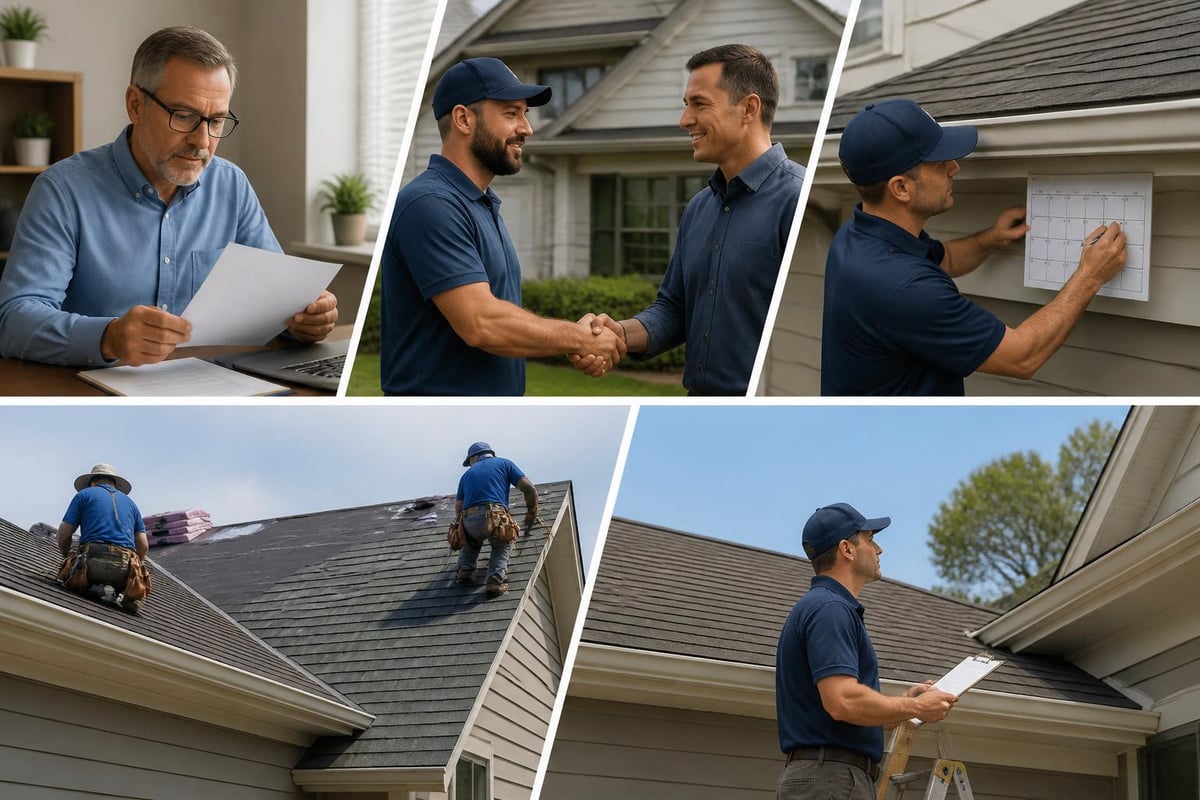
While you can't control weather, proactive maintenance and upgrades reduce future storm vulnerability. Regular roof inspections identify minor issues before they become major problems. Most roofing professionals recommend annual inspections, with additional checks after severe weather events.
Roof Upgrades That Minimize Damage
Modern roofing materials offer enhanced storm resistance. Impact-resistant shingles withstand hail better than standard products and may qualify you for insurance discounts. Proper attic ventilation and insulation prevent moisture problems that weaken roof structures.
Consider these preventive measures:
- Upgrade to impact-resistant roofing materials during replacement
- Ensure proper roof ventilation to prevent moisture damage
- Trim overhanging tree branches that could fall during storms
- Install storm-rated flashing and fasteners
- Maintain gutters and drainage systems
Investing in top roofing materials and proper installation techniques pays dividends when severe weather strikes. Quality materials and workmanship resist damage better, potentially avoiding future claims entirely.
Documentation for Future Claims
Maintain comprehensive records of your roof's condition, including installation dates, materials used, and all maintenance performed. These records prove proper care and help establish damage timelines for future claims.
Store before-and-after photos of all roof work in multiple locations, including cloud storage. Keep all receipts, warranties, and contractor certifications. This documentation library becomes invaluable if you need to file another storm damage claim years later.
Understanding Claim Impact on Insurance Rates
Filing a storm damage claim can affect your insurance premiums, though the impact varies by insurer and claim circumstances. Some companies offer claim forgiveness for first-time claims, while others increase rates after any weather-related claim.
Making Strategic Filing Decisions
Not every instance of damage warrants filing a claim. When repair costs barely exceed your deductible, paying out-of-pocket may prove more economical long-term. Consider your deductible amount, damage extent, and potential premium increases before filing.
Calculate the total repair cost minus your deductible to determine your potential insurance payout. If this amount is relatively small, the long-term cost of increased premiums might exceed the immediate benefit. However, significant damage always warrants filing, regardless of potential rate impacts.
Some states prohibit insurers from raising rates based on weather-related claims beyond the policyholder's control. Research your state's regulations and discuss potential rate impacts with your insurance agent before deciding whether to file.
Special Considerations for Commercial Properties
Commercial storm damage claims involve additional complexities compared to residential claims. Commercial roofing systems like modified bitumen require specialized assessment and repair approaches. Business interruption coverage, tenant considerations, and larger claim amounts create unique challenges.
Commercial policies often include business interruption coverage, compensating for lost income during repairs. Documenting business impact requires financial records, customer communications, and detailed timeline information. Coordinate with your accountant to quantify these losses accurately.
Commercial properties may also require specialized contractors familiar with flat roofing systems, large-scale projects, and commercial building codes. The contractor you choose should have specific experience with commercial insurance claims and the ability to complete work efficiently to minimize business disruption.
Multi-Unit and Rental Property Claims
Property owners with rental units face additional considerations when filing storm damage claims. Tenant notification, temporary relocation, and liability issues complicate the process. Your insurance policy should include loss of rental income coverage, but you must document tenant displacement and rental market rates.
Coordinate with tenants to document damage to their personal property, which their renter's insurance should cover. Maintain clear communication about repair timelines and access requirements. Professional property management experience helps navigate these complex situations.
Successfully navigating a storm damage claim requires understanding your coverage, thorough documentation, and choosing the right professionals to assist you. By following these guidelines and acting promptly after storm events, you can maximize your insurance settlement and restore your property efficiently. Whether you're dealing with minor shingle damage or extensive structural issues, Great Roofing brings decades of experience helping Joliet-area homeowners and businesses through the insurance claim process, from initial assessment through final repairs, ensuring you receive the quality workmanship your property deserves.