

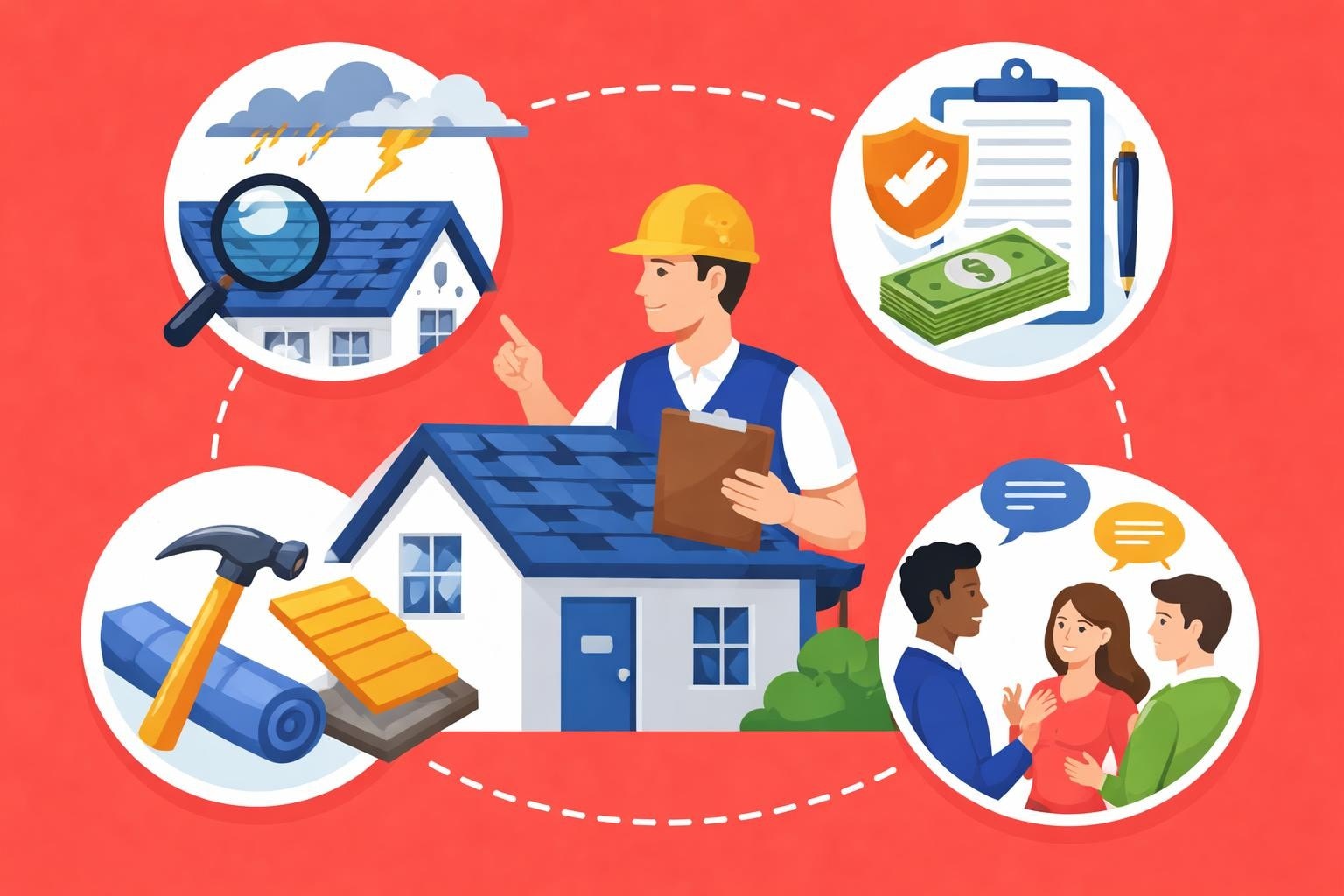
When severe weather strikes the Joliet area, homeowners and commercial property owners face urgent decisions about repairing damage to their roofs, siding, and other exterior components. The choice of storm damage repair contractors can mean the difference between a quality restoration that protects your investment and a costly nightmare that compounds your problems. With storm chasers flooding neighborhoods after every major weather event and legitimate contractors booked solid for weeks, understanding how to identify qualified professionals becomes essential for property owners seeking reliable repairs.
Understanding Storm Damage Repair Services
Storm damage repair contractors specialize in restoring properties affected by severe weather events, including hailstorms, high winds, tornadoes, and heavy rain. These professionals assess damage, work with insurance companies, and execute repairs that return your property to pre-storm condition or better.
The scope of services typically includes roof inspections, emergency tarping, shingle replacement, gutter repair, siding restoration, and structural assessments. For commercial properties, storm damage repair contractors must understand specialized roofing systems like modified bitumen and EPDM, while residential work often focuses on asphalt shingle repairs and replacement.
Types of Storm Damage Contractors Handle
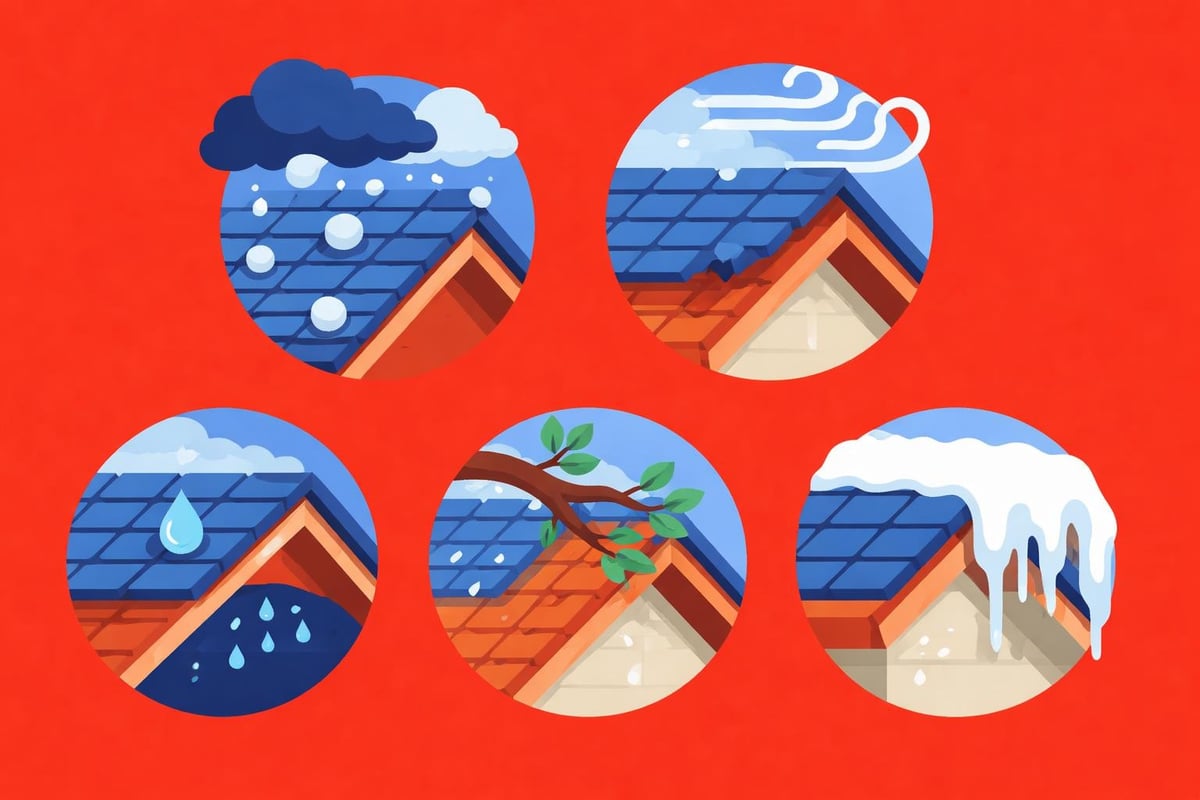
Different weather events create distinct damage patterns that require specific expertise:
- Hail damage: Bruised or cracked shingles, dented metal components, granule loss
- Wind damage: Lifted or missing shingles, damaged flashing, compromised underlayment
- Water intrusion: Interior damage from compromised roof systems, saturated insulation
- Debris impact: Punctured roofing materials, broken gutters, structural compromise
- Ice dam damage: Fascia deterioration, water infiltration, shingle deterioration
Understanding these damage types helps property owners communicate effectively with contractors and ensures comprehensive repairs address all affected areas, not just visible surface damage.
Qualifying Storm Damage Repair Contractors
The selection process for storm damage repair contractors requires careful vetting to ensure you're working with legitimate, qualified professionals. Not all contractors possess equal expertise, insurance knowledge, or commitment to quality workmanship.
Essential Credentials and Documentation
| Requirement | Why It Matters | What to Verify |
|---|---|---|
| Licensing | Legal compliance, consumer protection | State and local licenses current and valid |
| Insurance | Protection from liability | General liability and workers' compensation certificates |
| Manufacturer Certifications | Installation expertise, warranty eligibility | GAF, Owens Corning, or other manufacturer credentials |
| Better Business Bureau | Track record and complaint resolution | BBB rating and complaint history |
| References | Real-world performance validation | Recent projects with verifiable contact information |
Verifying these credentials protects property owners from unqualified operators who lack proper training, insurance coverage, or business legitimacy. Understanding contractor qualifications ensures you're partnering with professionals capable of delivering quality results.
Warning Signs of Unreliable Contractors
Property owners should remain vigilant for red flags that indicate potentially problematic contractors:
- Requesting full payment upfront before starting work
- Offering to waive insurance deductibles or "handle the claim" entirely
- Arriving unsolicited immediately after storms with high-pressure sales tactics
- Providing no physical business address or local references
- Lacking proper licensing, insurance, or manufacturer certifications
- Offering deals that seem too good to be true
Wisconsin’s Department of Agriculture, Trade and Consumer Protection emphasizes the importance of avoiding high-pressure contractors who push immediate decisions without allowing time for proper due diligence.
Working With Insurance on Storm Damage Claims
Storm damage repair contractors with insurance experience provide invaluable assistance navigating the claims process. These professionals understand documentation requirements, insurance adjuster expectations, and negotiation strategies that maximize legitimate claim values.
The Insurance Claims Process
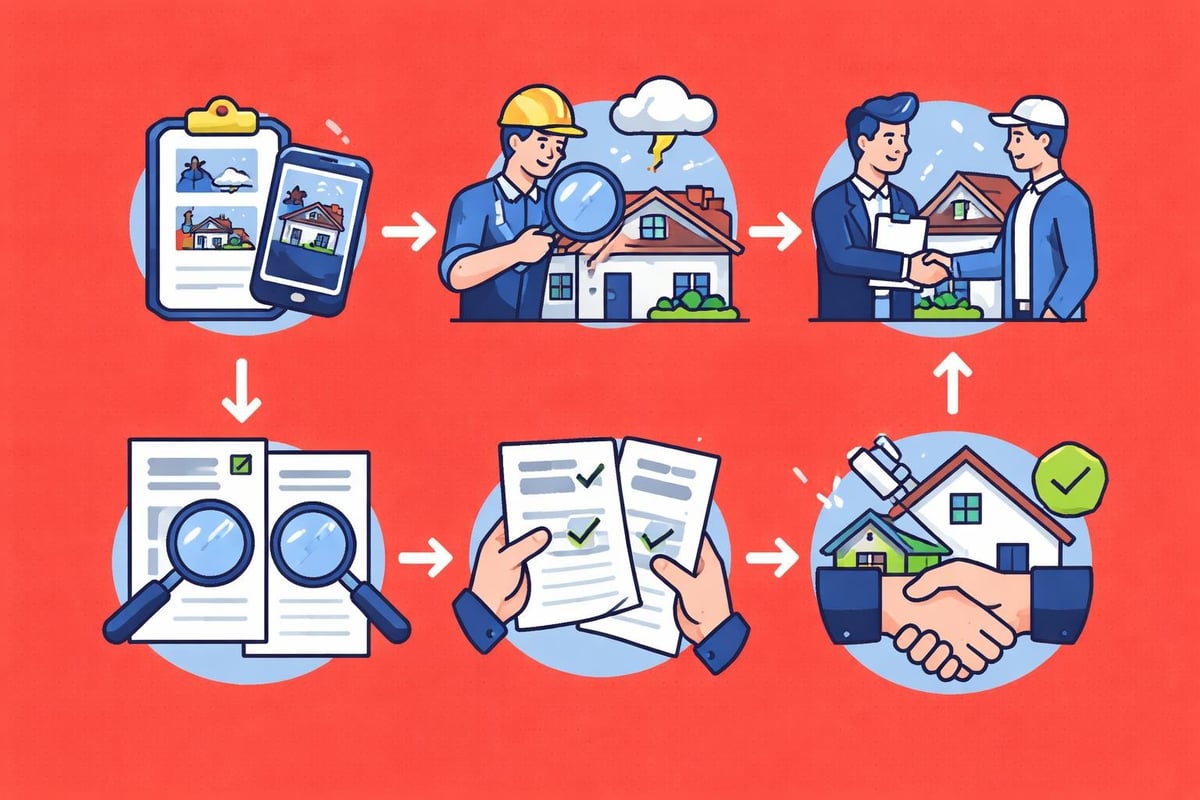
Successful storm damage claims follow a structured sequence:
- Document damage immediately with photographs and detailed notes
- Contact your insurance company to initiate the claim process
- Schedule professional inspection by qualified storm damage repair contractors
- Meet with insurance adjuster for their damage assessment
- Review initial claim estimate carefully for completeness
- Obtain independent contractor estimates for comparison
- Negotiate discrepancies between adjuster and contractor assessments
- Approve final scope and authorize repair work
- Complete repairs according to approved specifications
- Submit final documentation for claim closure
Many property owners make the mistake of accepting initial insurance estimates without thorough review. Commercial property owners especially should avoid this pitfall, as common mistakes during storm damage repairs can result in inadequate funding for complete restoration.
Understanding hail damage to asphalt shingles helps property owners recognize when damage exists even if insurance adjusters initially miss subtle indicators like granule loss or shingle bruising.
Contractor Roles in Insurance Claims
Experienced storm damage repair contractors assist clients throughout the insurance process without crossing ethical boundaries into public adjuster territory. They provide detailed damage assessments, prepare scope-of-work documents, and communicate technical findings to insurance companies.
The best contractors document everything thoroughly, including pre-existing conditions, storm-related damage, and recommended repairs. This documentation supports legitimate claims while maintaining integrity that insurance companies respect in future interactions.
Property owners benefit when contractors understand both roofing systems and insurance requirements. This dual expertise ensures repairs meet code requirements, manufacturer specifications, and insurance coverage terms simultaneously.
Evaluating Contractor Experience and Expertise
Storm damage repair contractors vary significantly in their experience levels, technical capabilities, and service quality. Property owners must assess these factors carefully before making hiring decisions.
Questions to Ask Potential Contractors
Direct questions reveal contractor capabilities and business practices:
- How long have you been handling storm damage repairs in the Joliet area?
- What percentage of your work involves insurance-funded storm damage projects?
- Can you provide references from recent storm damage projects?
- What manufacturer certifications does your company maintain?
- How do you handle unexpected damage discovered during repairs?
- What warranties do you offer on materials and workmanship?
- What is your typical timeline from contract signing to project completion?
- How do you communicate progress updates throughout the project?
The quality and specificity of contractor responses indicate their professionalism and preparedness. Vague answers or reluctance to provide detailed information should raise concerns.
Assessing Local Presence and Reputation
Local storm damage repair contractors with established community presence offer advantages over transient operators. They maintain physical offices, employ local crews, and depend on reputation for ongoing business success.
Choosing a contractor for storm damage repairs requires evaluating their community standing through referrals, online reviews, and industry associations. Contractors who have served the Joliet area for years demonstrate stability and commitment to quality that protects long-term customer interests.
Research contractors through multiple channels including Google reviews, Better Business Bureau ratings, manufacturer databases, and direct references from past clients. Consistent positive feedback across platforms indicates reliable performance.
Material Selection and Repair Quality
The materials storm damage repair contractors use directly impact repair longevity, warranty coverage, and property protection. Understanding material options helps property owners make informed decisions about their repairs.
Roofing Material Considerations
| Material Type | Best For | Durability | Cost Range |
|---|---|---|---|
| Architectural Shingles | Residential roofs, aesthetic appeal | 25-30 years | $$ |
| 3-Tab Shingles | Budget-conscious homeowners | 15-20 years | $ |
| Modified Bitumen | Commercial low-slope roofs | 20-25 years | $$$ |
| Metal Roofing | Long-term investment, durability | 40-70 years | $$$$ |
| TPO/EPDM | Commercial applications | 20-30 years | $$$ |
Material selection affects not only immediate repair costs but also long-term maintenance requirements and future storm resistance. Working with storm damage roofers who understand regional weather patterns ensures appropriate material recommendations for Joliet's climate conditions.
Quality Control During Repairs
Reputable storm damage repair contractors implement quality control measures throughout the repair process. These include regular supervisor inspections, manufacturer installation guideline compliance, and final walkthrough documentation.
Property owners should expect contractors to follow manufacturer specifications precisely, as deviation can void material warranties and compromise performance. Proper ventilation, flashing installation, and fastener placement separate quality repairs from substandard work.
Maintaining reputation during high-volume storm operations requires contractors to resist shortcuts despite pressure to complete multiple projects quickly. Property owners benefit when contractors prioritize quality over speed.
Contract Terms and Project Management
Clear contracts protect both property owners and storm damage repair contractors by establishing expectations, timelines, and payment terms. Understanding contract essentials prevents misunderstandings and provides recourse if problems arise.
Essential Contract Elements
Every storm damage repair contract should include:
- Detailed scope of work listing all repairs, materials, and specifications
- Project timeline with start date, milestones, and completion target
- Payment schedule tied to project phases, not calendar dates
- Material specifications including manufacturer, product line, and color selections
- Warranty information for both materials and workmanship
- Change order procedures for addressing unforeseen damage
- Cleanup and disposal responsibilities
- Permit acquisition and inspection arrangements
Written contracts protect property owners from verbal promise disputes and establish accountability for project deliverables. Never accept verbal agreements for storm damage work regardless of contractor assurances.
Managing Project Timeline Expectations
Storm damage creates urgent repair needs, but realistic timeline expectations prevent disappointment. Peak storm seasons often create contractor backlogs extending weeks or months for non-emergency repairs.
Emergency services like temporary tarping should occur within 24-48 hours to prevent additional damage. Complete roof replacements typically require 1-3 days for residential properties and longer for commercial buildings depending on size and complexity.
Weather delays, material availability, and inspection requirements can extend projected timelines. Quality storm damage repair contractors communicate proactively about delays rather than leaving clients wondering about project status.
Avoiding Storm Chaser Scams
Storm chasers follow severe weather events, canvassing affected neighborhoods with promises of quick repairs and insurance expertise. While some legitimate contractors travel to storm-affected areas, many storm chasers engage in fraudulent practices that harm property owners.
Identifying Storm Chaser Red Flags
Storm chasers typically exhibit characteristic behaviors:
- Door-to-door solicitation immediately following storms
- Out-of-state license plates and no local business presence
- Pressure to sign contracts immediately with "limited time" offers
- Offers to pay insurance deductibles or provide "free" roof inspections
- Requests for large upfront deposits before starting work
- Reluctance to provide local references or credentials
- Generic company names with no verifiable business history
Guidelines for choosing contractors after storms emphasize the importance of verifying contractor legitimacy before signing any agreements or allowing roof access.
Property owners should understand that legitimate contractors don't need to solicit door-to-door. Established companies maintain full schedules through referrals and reputation rather than aggressive sales tactics.
Protecting Yourself From Contractor Fraud
Prevention strategies reduce storm chaser scam risk:
- Never sign contracts under pressure or without careful review
- Verify all credentials independently through licensing boards and manufacturer websites
- Obtain multiple estimates from locally established contractors
- Check references and visit completed job sites when possible
- Ensure contracts include physical business addresses and contact information
- Pay according to completed work phases, never in full upfront
- Confirm insurance coverage directly with carrier, not through contractor-provided documents
Understanding how to navigate storm damage insurance claims empowers property owners to recognize when contractors make unrealistic promises about insurance coverage or claim outcomes.
Regional Considerations for Joliet Property Owners
Joliet's climate creates specific storm damage patterns that influence contractor selection and repair approaches. Understanding regional factors helps property owners make informed decisions appropriate for local conditions.
Common Joliet Storm Damage Patterns
Illinois weather subjects roofs to diverse challenges:
- Spring and summer hailstorms that damage shingles and gutters
- High wind events capable of lifting or tearing roofing materials
- Winter ice dams from freeze-thaw cycles and inadequate ventilation
- Heavy snow loads stressing roof structures and flashing systems
- Tornado threats requiring rapid emergency response capabilities
Storm damage repair contractors familiar with Joliet conditions understand these patterns and recommend appropriate repairs and preventive measures. Local experience translates to better material recommendations and installation practices suited to regional climate demands.
Building Code and Permit Requirements
Joliet building codes govern storm damage repairs to ensure safety and structural integrity. Reputable contractors handle permit acquisition and schedule required inspections as part of their service.
Permit requirements vary based on repair scope, with simple repairs sometimes exempt while complete roof replacements always requiring permits. Working with contractors who understand local code requirements prevents compliance issues that could affect insurance claims or future property sales.
Code-compliant repairs also ensure proper installation techniques that maximize material performance and warranty coverage. Shortcuts that violate code requirements may save time initially but create long-term problems.
Commercial vs. Residential Storm Damage Considerations
Storm damage repair contractors often specialize in either commercial or residential work due to differing technical requirements, project scales, and client needs. Understanding these differences helps property owners select appropriately qualified contractors.
Commercial Storm Damage Unique Factors
Commercial properties present distinct challenges:
- Larger project scales requiring more extensive crews and equipment
- Business interruption concerns demanding faster completion timelines
- Specialized roofing systems like modified bitumen or TPO requiring specific expertise
- Tenant coordination and access scheduling for occupied buildings
- Building code complexity for commercial structures
- Higher insurance policy limits and more detailed claims processes
Commercial property owners should verify that storm damage repair contractors maintain appropriate experience, crew capacity, and insurance limits for commercial-scale projects. Residential-focused contractors may lack resources for large commercial repairs.
Residential Storm Damage Considerations
Residential storm damage repairs emphasize different priorities:
- Homeowner communication and education throughout the process
- Aesthetic considerations matching existing architectural styles
- Family safety during repairs including noise and access concerns
- Landscaping protection and thorough cleanup
- Flexible scheduling around homeowner availability
- Detailed explanations of insurance claim processes
Quality residential storm damage repair contractors balance technical expertise with customer service excellence. They understand that homeowners need guidance through unfamiliar processes while maintaining control over decisions affecting their homes.
Long-Term Warranty and Maintenance Support
Storm damage repairs represent significant investments deserving warranty protection and ongoing maintenance support. Understanding warranty coverage helps property owners maximize their repair value.
Types of Warranty Coverage
| Warranty Type | Coverage Period | What's Included | Provider |
|---|---|---|---|
| Material Warranty | 25-50 years | Manufacturing defects | Manufacturer |
| Workmanship Warranty | 1-10 years | Installation errors | Contractor |
| System Warranty | 10-30 years | Complete system performance | Manufacturer (certified contractors) |
| Penetration Warranty | 2-10 years | Roof penetrations and flashing | Contractor |
Manufacturer warranties cover material defects but often require certified contractor installation to remain valid. Workmanship warranties protect against installation errors and vary significantly between contractors.
Ongoing Maintenance Recommendations
Storm damage repair contractors should provide maintenance guidance helping property owners protect their investment. Regular inspections, gutter cleaning, and minor repairs prevent small issues from becoming major problems.
Annual roof inspections identify potential concerns before they cause damage, especially after severe weather events. Proactive maintenance extends roof lifespan and maintains warranty coverage that often requires proper upkeep.
Spring roof maintenance becomes especially important after winter ice dam season, while fall inspections prepare roofs for upcoming winter challenges.
Making Your Final Contractor Decision
After researching credentials, obtaining estimates, and verifying references, property owners face the final decision of selecting storm damage repair contractors for their projects. This choice should balance multiple factors rather than focusing solely on price.
Evaluation Criteria Beyond Price
Consider these factors in your final decision:
- Communication quality and responsiveness throughout the bidding process
- Insurance claim experience and willingness to assist with documentation
- Project timeline realistic for current workload and weather conditions
- Material quality and warranty coverage offered
- Payment terms and deposit requirements
- Cleanup procedures and site protection plans
- References and reputation in the community
- Comfort level with contractor professionalism and expertise
The lowest bid doesn't always represent the best value, especially when contractors cut corners on materials or rush installations to maintain profit margins. Comprehensive guides for choosing storm damage repair contractors emphasize balancing cost with quality and contractor reliability.
Trust Your Instincts
Professional expertise matters, but personal comfort with your chosen contractor shouldn't be ignored. Storm damage repairs involve significant investment and property access over extended periods. Working with contractors you trust to communicate honestly and deliver quality work reduces stress during an already challenging situation.
If something feels wrong during initial interactions, explore other options. Legitimate storm damage repair contractors welcome questions, provide transparent answers, and never pressure quick decisions.
Selecting qualified storm damage repair contractors requires careful evaluation of credentials, experience, and communication quality. Property owners who invest time in proper contractor vetting protect themselves from scams while ensuring quality repairs that restore their properties effectively. When storm damage affects your Joliet property, Great Roofing brings family-owned dedication and professional expertise to every project, from initial insurance documentation through final inspection, ensuring your roof receives the quality restoration it deserves.