


Protecting your property from water damage starts at the top. A properly installed waterproof roof system serves as your first line of defense against the challenging weather conditions common in the Joliet area, where heavy rainfall, snow accumulation, and temperature fluctuations can test even the most robust roofing systems. Whether you're planning a new installation, considering a replacement, or addressing existing moisture problems, understanding the components and strategies that create truly effective waterproof roof protection will help you make informed decisions that protect your investment for decades to come.
Understanding Waterproof Roof Systems
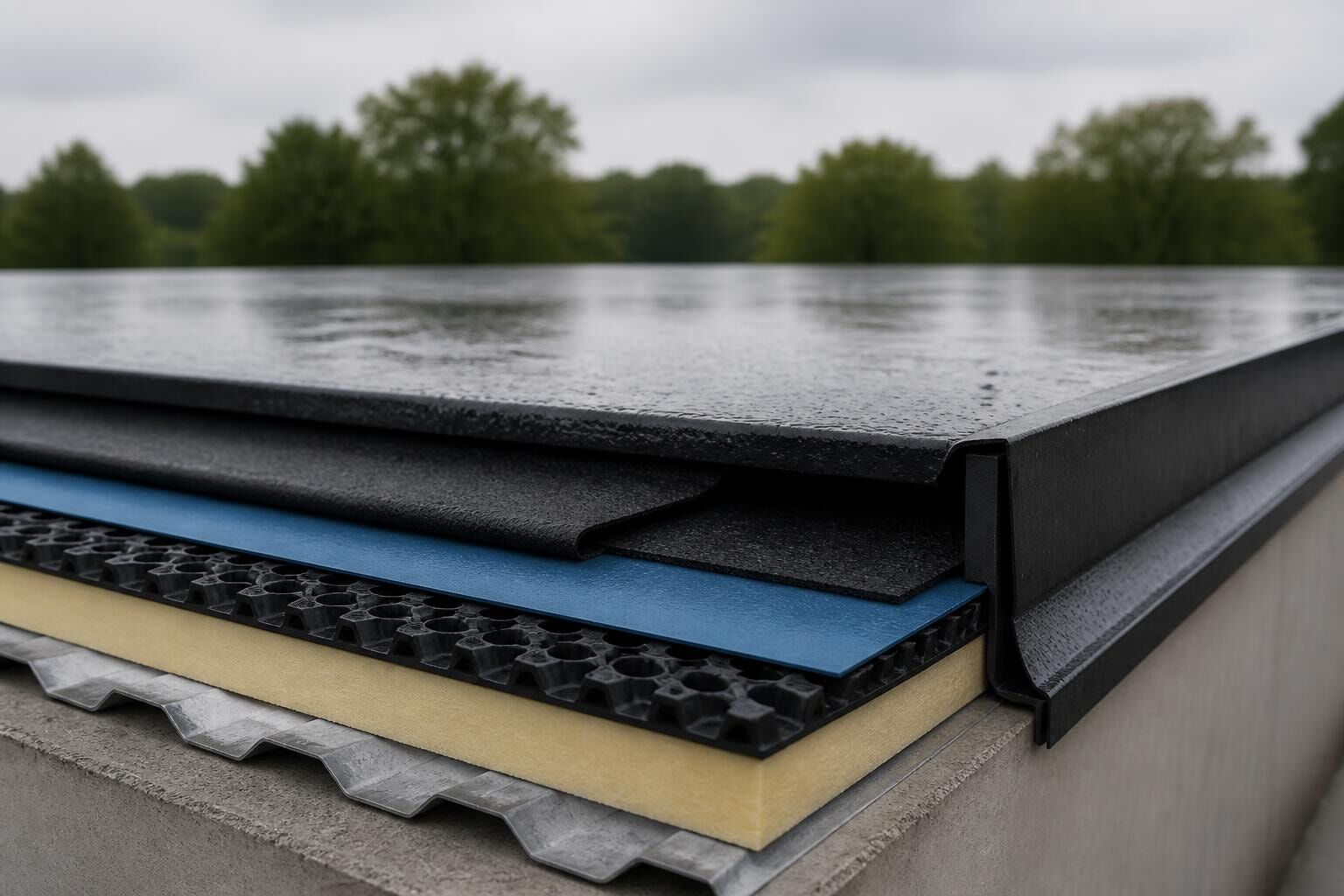
A waterproof roof involves much more than simply installing shingles or panels on top of your structure. The complete system consists of multiple layers working together to create an impenetrable barrier against moisture infiltration.
The foundation of any waterproof roof begins with proper underlayment. This critical layer sits directly on your roof decking, providing a secondary water barrier beneath your primary roofing material. Modern waterproof roof underlayments for humid climates have evolved significantly, offering superior performance compared to traditional felt paper that dominated the industry for decades.
Primary Waterproofing Layers
Every effective waterproof roof system incorporates these essential components:
- Roof decking: The structural foundation that must be solid and properly spaced
- Ice and water shield: Self-adhering membrane for vulnerable areas
- Underlayment: Water-resistant barrier covering the entire roof deck
- Primary roofing material: The visible outer layer (shingles, metal, modified bitumen)
- Flashing: Metal barriers around penetrations, valleys, and edges
- Sealants: Quality compounds securing joints and transitions
The interaction between these layers creates redundancy. If water penetrates the outer layer, the underlayment catches it. This multi-barrier approach is what separates a truly waterproof roof from one that merely resists water under ideal conditions.

Waterproofing Materials for Different Roof Types
Selecting the right waterproofing materials depends heavily on your roof's slope, architecture, and intended use. Residential and commercial properties often require different approaches based on their structural characteristics.
Steep-Slope Residential Solutions
For traditional pitched roofs common on Joliet homes, asphalt shingles remain the most popular choice when properly installed with comprehensive waterproofing underlayment. The key to their effectiveness lies not just in the shingles themselves but in the protective layers beneath them.
Synthetic underlayments have revolutionized steep-slope waterproofing. These engineered materials offer several advantages over traditional felt:
- Superior tear resistance during installation
- Better UV protection during construction delays
- Enhanced water resistance and dimensional stability
- Longer service life matching modern shingle warranties
- Improved traction for safer installation
Self-adhering ice and water shield deserves special attention in Midwest climates. This rubberized membrane should extend at least 24 inches beyond interior wall lines in most jurisdictions. However, for comprehensive protection against ice dam formation, many roofing professionals now recommend applying it across the entire roof deck, not just at the eaves and valleys.
Flat and Low-Slope Commercial Options
Commercial buildings and modern architectural designs frequently feature flat or low-slope roofs requiring specialized waterproofing approaches. These systems must handle standing water that would quickly shed from pitched surfaces.
| Material Type | Typical Lifespan | Best Application | Key Advantage |
|---|---|---|---|
| Modified Bitumen | 20-25 years | Commercial, low-slope | Proven durability |
| TPO | 20-30 years | Commercial flat roofs | Energy efficiency |
| EPDM | 25-30 years | All flat applications | Cost-effective |
| PVC | 25-35 years | High-traffic roofs | Chemical resistance |
Modified bitumen systems provide excellent waterproofing through multiple plies of reinforced asphalt sheets. These systems can be torch-applied, cold-adhered, or self-adhering, depending on building requirements and fire codes. Their redundant layer approach creates exceptional water resistance.
Great Roofing specializes in modified bitumen installations for commercial roofing projects throughout the Joliet area. These systems excel in our climate because they remain flexible across temperature extremes while maintaining waterproof integrity.
Installation Techniques for Maximum Water Protection
Even premium materials fail when improperly installed. Creating a truly waterproof roof requires meticulous attention to detail and adherence to manufacturer specifications throughout the installation process.
Critical Installation Considerations
Proper deck preparation cannot be overstated. Before any waterproofing materials go down, the roof deck must be thoroughly inspected and repaired. Soft spots, gaps between decking boards, and protruding fasteners all compromise waterproofing performance.
Underlayment installation sequence matters significantly:
- Install ice and water shield at eaves, extending beyond the warm wall
- Apply shield in valleys, around chimneys, and at roof-to-wall transitions
- Roll out underlayment horizontally from bottom to top
- Overlap each course by specified amount (typically 4-6 inches)
- Ensure proper side laps and stagger end laps
- Secure with appropriate fasteners without overdriving
Weather conditions during installation directly impact long-term waterproof roof performance. Most underlayment materials have specific temperature requirements for proper adhesion. Installing in extremely cold conditions can prevent self-sealing strips from bonding, while excessive heat may cause premature adhesive activation.
Flashing: The Often-Overlooked Component
Comprehensive roof waterproofing membranes extend beyond the field area to include proper flashing at every transition point. These metal or membrane strips direct water away from vulnerable areas where different surfaces meet.
Common flashing locations requiring waterproof attention include:
- Chimney perimeters (step flashing and counter flashing)
- Vent pipe penetrations (boot flashing)
- Skylight frames (pan and head flashing)
- Roof valleys (open or closed metal valleys)
- Dormer walls (step and kickout flashing)
- Roof edges (drip edge and gutter apron)
Each flashing type follows specific installation protocols. For example, step flashing around chimneys must be woven with each shingle course, then covered by counter flashing embedded in the masonry. Cutting corners on flashing details inevitably leads to leaks, regardless of how well the rest of the waterproof roof system performs.
Maintenance Strategies for Long-Term Waterproofing
Installing a waterproof roof represents a significant investment. Protecting that investment requires ongoing maintenance to address minor issues before they compromise your system's integrity.
Regular Inspection Protocol
Professional roof inspections should occur at least twice yearly, ideally in spring and fall. These examinations identify developing problems while they're still manageable and affordable to address.
During inspections, focus on these waterproofing-critical areas:
- Flashing condition: Look for rust, separations, or missing sealant
- Shingle integrity: Note any curling, cracking, or missing granules
- Membrane seams: Check for separation or bubbling on flat roofs
- Drainage systems: Ensure gutters and downspouts flow freely
- Penetration seals: Verify boots and caps remain secure
- Interior signs: Watch for ceiling stains or attic moisture
Addressing small repairs promptly prevents water infiltration that could damage insulation, framing, and interior finishes. A single missing shingle might seem inconsequential, but it exposes the underlayment to UV degradation and potential water penetration during driving rain.
Seasonal Waterproofing Challenges
Illinois weather presents unique challenges throughout the year. Understanding how seasonal changes affect your waterproof roof helps you anticipate maintenance needs.
Winter considerations center on ice dam prevention and snow load management. While proper attic insulation and ventilation form the primary defense against ice dams, ensuring your ice and water shield extends sufficiently and remains intact provides backup protection when dams do form.
Spring brings inspection urgency after winter's assault. Freezing and thawing cycles can lift shingle edges, separate flashing, and create new penetration points for water. This season also typically delivers the heaviest rainfall, testing your waterproof roof's drainage capacity.
Summer heat accelerates UV degradation of exposed materials. While your primary roofing shields the underlayment, any exposed edges or damaged areas receive concentrated sun exposure that shortens material lifespan.
Fall preparation involves clearing debris from valleys and gutters before winter. Accumulated leaves trap moisture against roofing materials, promoting premature deterioration of waterproofing components. This season also offers ideal conditions for completing repairs before cold weather arrives.
Upgrading Existing Roofs for Better Waterproofing
Many property owners face decisions about improving waterproof protection on existing roofs that may not have been built to current standards or are showing age-related vulnerability to water intrusion.
Assessing Upgrade Opportunities
Not every aging roof requires complete replacement to achieve improved waterproofing. Sometimes strategic upgrades deliver significant protection improvements at a fraction of replacement costs.
Consider these partial upgrade options:
- Adding ice and water shield during shingle replacement
- Installing synthetic underlayment over existing deck
- Upgrading flashing systems at vulnerable points
- Applying waterproof coatings to membrane roofs
- Improving attic ventilation to reduce condensation
However, certain conditions indicate that comprehensive replacement provides better long-term value than piecemeal improvements. If your roof decking shows water damage, the existing system has multiple leak locations, or the structure approaches the end of its design life, investing in partial waterproofing may not deliver adequate return.
Roof damage assessment often reveals whether upgrade or replacement makes economic sense. Professional evaluation considers not just current condition but remaining service life of various components.
Modern Waterproofing Technologies
The roofing industry continues developing innovative materials and techniques that enhance waterproof roof performance beyond what was possible even a decade ago.
| Technology | Application | Benefit |
|---|---|---|
| Peel-and-stick underlayment | Entire roof deck | Eliminates fastener penetrations |
| Cool roof coatings | Low-slope commercial | Reflects heat while waterproofing |
| Advanced flashing tapes | Penetrations and transitions | Superior adhesion in all temperatures |
| High-definition shingles | Residential steep-slope | Better wind/water resistance |
| Smart sensors | Critical leak points | Early detection before visible damage |
These advancements allow property owners to achieve waterproof protection levels previously unattainable. For instance, different roofing underlayment types now include options with integrated moisture barriers that prevent vapor transmission while still allowing the roof assembly to breathe and dry when needed.
Climate-Specific Waterproofing for Joliet Properties
Joliet's continental climate demands waterproof roof systems engineered for extreme temperature swings, heavy snow loads, and intense summer storms. Generic approaches often fall short when confronted with these demanding conditions.
Temperature Extremes and Material Selection
Materials that perform admirably in moderate climates may struggle with Joliet's temperature range, which can span over 100 degrees between winter lows and summer peaks. This variation causes expansion and contraction that stresses roofing components and creates potential water entry points.
Selecting waterproof materials with proven performance across temperature extremes ensures your roof maintains integrity year-round. Modified bitumen systems excel here because their flexibility prevents cracking in cold while their reinforcement prevents flow in heat. For residential applications, quality architectural shingles with advanced adhesive strips provide necessary wind and water resistance.
Understanding how metal roofing materials expand and contract helps explain why proper installation techniques matter tremendously for waterproof performance. Fasteners must allow for thermal movement while maintaining weather-tight seals.
Precipitation Patterns and Drainage Design
Joliet receives approximately 38 inches of precipitation annually, with significant portions arriving in intense storms that test drainage capacity. Your waterproof roof must handle not just total volume but peak flow rates during severe weather.
Proper drainage design incorporates:
- Adequate slope (minimum 1/4 inch per foot for flat roofs)
- Sufficient gutter and downspout sizing for roof area
- Strategic placement of drains and scuppers
- Secondary overflow provisions on flat roofs
- Valley reinforcement with ice and water shield
Drainage failures create standing water that finds any weakness in your waterproof roof system. Even small ponding areas accelerate UV degradation and create conditions for moss or algae growth that can compromise shingle granules and create moisture pathways.
Waterproofing Special Structures and Additions
Beyond primary roof areas, many properties include structures requiring specialized waterproofing approaches. These secondary areas often receive less attention during initial construction but can create significant problems when water protection proves inadequate.
Covered Outdoor Spaces
Pergolas, covered patios, and similar structures increasingly extend living space outdoors. While these areas might not require the same waterproof protection as occupied buildings, proper waterproofing enhances usability and protects underlying decks or patios from moisture damage.
For these applications, consider transparent or translucent waterproofing materials that maintain natural light while shedding water. Polycarbonate panels, waterproof fabric systems, and specialized coatings each offer different aesthetic and functional advantages depending on the structure's design and intended use.
Garage and Outbuilding Considerations
Detached garages, workshops, and storage buildings merit proper waterproof roof systems even though they house different contents than residential spaces. Moisture infiltration damages stored items, promotes wood rot, and creates conditions for mold growth.
These structures often receive budget materials during construction. Upgrading to comprehensive waterproofing comparable to your main residence protects valuable equipment and extends building lifespan significantly. The relatively small roof areas make this upgrade surprisingly affordable while delivering substantial value.
Professional Installation Versus DIY Waterproofing
The complexity of creating truly waterproof roof systems raises questions about appropriate roles for professional contractors versus property owner involvement. Understanding where expertise matters most helps you allocate resources effectively.
When Professional Installation Is Essential
Certain waterproofing applications absolutely require professional expertise, specialized equipment, and manufacturer training. Attempting these as DIY projects typically results in inadequate protection and potentially voided warranties.
Critical areas demanding professional installation include:
- Complete roof replacement with new underlayment systems
- Modified bitumen or single-ply membrane application
- Complex flashing around chimneys and dormers
- Structural repairs to damaged roof decking
- Integration with existing roofing on additions
Professional roofing contractors understand building codes, manufacturer specifications, and local climate considerations that impact waterproof roof performance. They also carry insurance protecting you from liability if accidents occur during installation.
Working with experienced roofing and guttering services ensures your waterproofing system receives proper installation while maintaining valid manufacturer warranties that often require certified installer involvement.
Property Owner Maintenance Roles
While major waterproofing work demands professional expertise, property owners play valuable roles in protecting their roofs through regular maintenance and vigilant inspection.
Appropriate property owner activities include:
- Quarterly visual inspections from ground level
- Regular gutter cleaning and debris removal
- Trimming overhanging branches that abrade roofing
- Applying sealant around minor penetrations
- Documenting roof condition with dated photographs
- Scheduling professional inspections on recommended intervals
These activities help you catch developing problems early while they remain minor and inexpensive to address. However, recognize the limits of appropriate DIY involvement. Working on roofs involves significant fall hazards, and improper repairs often create larger problems than the original issue.
Cost Considerations for Waterproof Roof Systems
Understanding the financial investment required for comprehensive waterproof protection helps you budget appropriately and evaluate different material and installation options. While costs vary considerably based on roof size, complexity, and materials, certain principles guide value-oriented decision making.
Initial Investment Factors
Multiple variables influence what you'll invest in waterproof roof protection:
| Factor | Impact on Cost | Consideration |
|---|---|---|
| Roof area | Direct multiplier | Measure accurately |
| Slope/pitch | Labor intensity | Steep = higher cost |
| Material choice | Wide range | Balance cost and lifespan |
| Existing condition | Preparation required | Repairs add expense |
| Complexity | Installation time | Simple designs cost less |
| Location | Market rates vary | Get multiple estimates |
Quality waterproofing materials represent a relatively small percentage of total project costs compared to labor and disposal. Selecting premium underlayment or upgraded shingles might add 10-15% to material costs but typically increases total project expense by only 3-5%. Given the protection improvement, this usually represents excellent value.
Long-Term Value Analysis
Evaluating waterproof roof options strictly on initial cost overlooks important financial considerations. Total cost of ownership incorporates installation, maintenance, repairs, energy impact, and replacement timing over the system's lifespan.
A cheaper initial system requiring replacement in fifteen years may cost significantly more over three decades than a premium installation lasting thirty years. Factor in the disruption, additional disposal costs, and inflation's impact on future replacement expenses when comparing options.
Energy efficiency deserves consideration in this analysis. Reflective cool roofing materials on commercial buildings can reduce cooling costs substantially, potentially offsetting their premium through utility savings. Similarly, proper attic ventilation and insulation work synergistically with your waterproof roof to control heating and cooling expenses while preventing moisture accumulation.
Creating a truly waterproof roof requires the right combination of quality materials, expert installation, and ongoing maintenance to protect your property from water damage throughout all seasons. Whether you're planning a new installation or addressing existing moisture concerns, the comprehensive approach outlined here will help ensure lasting protection. Great Roofing brings decades of family-owned expertise to every project, from residential shingle installations to commercial modified bitumen systems across the Joliet area. Contact Great Roofing today to schedule a thorough assessment and discover how professional waterproofing solutions can protect your most valuable investment.