


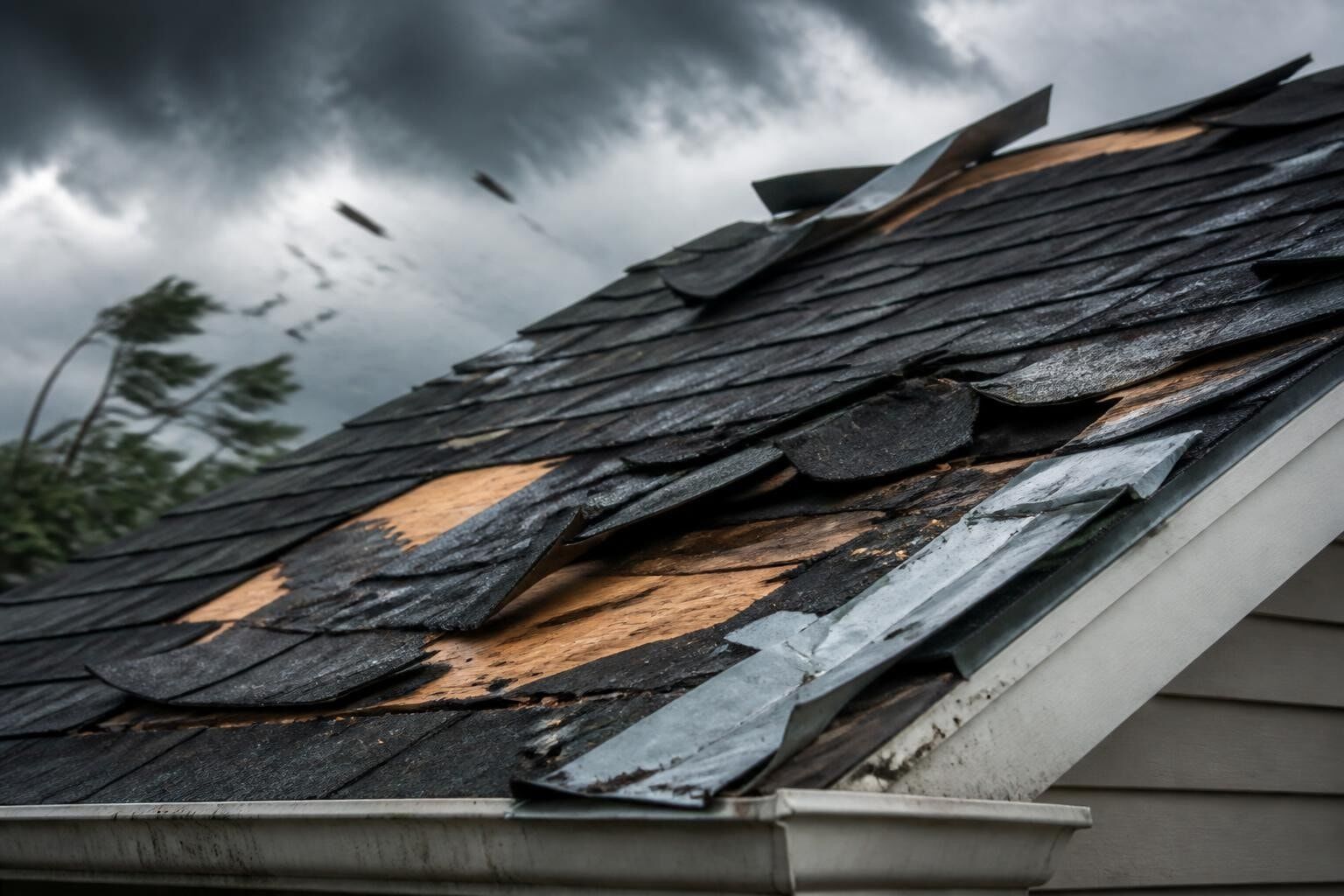
Wind is one of the most destructive natural forces affecting residential and commercial properties throughout the Midwest. Even moderate winds can compromise your roof's integrity, leading to costly repairs if left unaddressed. Understanding how wind affects roofing systems, recognizing the warning signs, and knowing when to call professionals can save property owners thousands of dollars in preventable damage. This comprehensive guide explores the various ways wind impacts roofing materials, detection methods, and repair strategies that protect your investment.
Understanding How Wind Affects Roofing Systems
Wind creates several distinct forces that challenge roof structures. Uplift pressure occurs when wind flows over and around a building, creating areas of low pressure that literally pull roofing materials upward. This phenomenon is particularly severe at roof edges, corners, and ridges where wind speeds accelerate.
The National Weather Service provides comprehensive information on wind safety and classifies wind speeds that pose risks to structures. Winds exceeding 40 mph can begin loosening shingles, while sustained winds above 60 mph frequently cause significant structural damage.
Primary Wind Impact Zones
Different areas of your roof experience varying levels of wind stress:
- Roof corners and edges – highest wind speeds and uplift forces
- Ridge lines and peaks – exposed to turbulent airflow from multiple directions
- Eaves and overhangs – vulnerable to both uplift and direct wind pressure
- Valleys and transitions – where wind accelerates between roof planes
Wind damage on a roof often begins in these vulnerable zones before progressing to other areas. The progressive nature of wind damage makes early detection essential for preventing widespread deterioration.

Common Types of Wind Damage
Identifying specific damage types helps property owners assess severity and prioritize repairs. Wind damage manifests in several distinct patterns depending on wind speed, roof age, and material quality.
Shingle Damage Patterns
Asphalt shingles represent the most common roofing material in residential applications. Wind damage on a roof with asphalt shingles typically presents as:
| Damage Type | Appearance | Severity Level |
|---|---|---|
| Lifted shingles | Corners or edges raised but still attached | Moderate |
| Missing shingles | Complete sections blown away | Severe |
| Creased shingles | Visible fold lines from wind pressure | Moderate to Severe |
| Granule loss | Bare spots exposing asphalt layer | Progressive damage |
Lifted shingles may reseal on their own during warm weather, but the initial break in the seal compromises long-term performance. Professional inspection determines whether affected shingles require replacement or can be resealed.
Flashing and Trim Failures
Metal flashing components around chimneys, vents, and roof valleys are particularly susceptible to wind forces. These critical waterproofing elements can bend, separate, or detach entirely during severe weather. When flashing fails, water infiltration accelerates structural damage even after wind conditions subside.
Fascia boards, soffits, and other trim elements also experience direct wind pressure. Loose or damaged trim creates entry points for wind to penetrate beneath roofing materials, exponentially increasing uplift forces on shingles and underlayment.
Detecting Wind Damage from Ground Level
Many property owners can identify obvious wind damage on a roof through careful ground-level inspection. Safety should always be the priority – never attempt roof access during windy conditions or without proper equipment and training.
Visual indicators visible from ground level include:
- Missing or displaced shingles creating irregular patterns
- Shingles lying in gutters or on the ground around the property
- Exposed underlayment appearing as dark patches
- Hanging or bent flashing visible along roof edges
- Damaged or missing ridge cap shingles
Binoculars provide safer detailed views of suspect areas without roof access. Document any visible damage with dated photographs for insurance purposes and contractor consultations.
Interior Warning Signs
Wind damage doesn't always show obvious exterior symptoms immediately. Interior inspection reveals secondary damage indicators:
- Water stains on ceilings or walls
- Increased drafts through ceiling fixtures
- Daylight visible through attic spaces
- Unusual creaking or movement sounds during wind events
- Damp insulation or framing members in attic spaces
These symptoms suggest wind has compromised the roof's protective envelope. Working with storm damage roofers ensures thorough assessment of both visible and hidden damage.
Professional Inspection Benefits
While ground-level observation identifies obvious issues, comprehensive professional inspection reveals the full extent of wind damage on a roof. Qualified roofing contractors possess specialized knowledge, equipment, and insurance coverage for safe roof access.
What Professional Inspections Uncover
Trained inspectors examine components invisible or inaccessible to property owners:
Underlayment integrity – determines whether protective barriers beneath shingles remain intact
Decking condition – assesses whether plywood or OSB sheathing has sustained moisture damage or structural compromise
Fastener security – verifies that nails and screws haven't backed out or pulled through materials
Ventilation systems – confirms that soffit vents, ridge vents, and turbines remain functional and undamaged
Professional documentation includes detailed reports, photographs, and damage estimates necessary for roof damage insurance claims. This documentation proves invaluable when working with insurance adjusters to secure appropriate claim settlements.
Immediate Steps After Wind Events
Taking prompt action following severe weather minimizes secondary damage and establishes documentation timelines for insurance purposes. The first 24-48 hours prove critical for preventing water infiltration through compromised roofing.
Emergency Mitigation Measures
Property owners should implement these temporary protections while awaiting professional repairs:
- Place tarps over exposed areas using proper anchoring techniques
- Collect displaced shingles and roofing materials as evidence
- Document all damage with photographs and written descriptions
- Contact insurance providers to initiate claim processes
- Secure interior spaces by containing water intrusion with buckets and towels
Temporary tarping requires caution. Improperly secured tarps can cause additional damage during subsequent wind events. Many professional roofing contractors offer emergency tarp services with proper installation techniques.
Understanding windstorm damage and insurance helps property owners navigate claim processes effectively. Different policies include varying coverage levels for wind damage, making early communication with insurers essential.
Repair vs. Replacement Considerations
Not all wind damage on a roof requires complete replacement. Professional assessment determines the most cost-effective solution based on damage extent, roof age, and long-term performance expectations.
Factors Influencing Repair Decisions
| Factor | Repair Indicators | Replacement Indicators |
|---|---|---|
| Damage extent | Less than 25% of roof surface | More than 30% of roof surface |
| Roof age | Less than 10 years old | Approaching 20-year lifespan |
| Previous damage | First wind event | Multiple repair history |
| Material availability | Matching shingles available | Discontinued products |
Partial repairs work best when damage remains localized and roofing materials match existing installations. However, mixing old and new materials creates aesthetic inconsistencies and potentially mismatched performance characteristics.
Long-Term Value Analysis
Sometimes strategic replacement outperforms repeated repairs. Properties with aging roofs approaching replacement timelines benefit from addressing wind damage through comprehensive replacement rather than incremental fixes.
Modern asphalt shingle roofing products offer enhanced wind resistance ratings. Impact-resistant shingles and improved installation techniques significantly reduce future wind damage vulnerability. Upgrading during necessary repairs provides enhanced protection and potential insurance premium reductions.
Wind Resistance Ratings and Material Selection
Understanding wind resistance specifications helps property owners make informed decisions during replacement projects. Manufacturers test shingles according to standardized wind resistance protocols, assigning ratings that indicate performance thresholds.
Shingle Wind Rating Classifications
Class D – Certified for winds up to 90 mph
Class G – Certified for winds up to 120 mph
Class H – Certified for winds up to 150 mph
Higher classifications require enhanced manufacturing specifications and installation methods. Property owners in high-wind regions should prioritize Class G or H rated products for optimal protection.
Proper installation techniques matter equally to material quality. Even premium shingles fail prematurely when improperly fastened. Six-nail patterns, starter strip applications, and appropriate sealant use all contribute to wind resistance performance.
Installation Techniques That Prevent Wind Damage
Professional installation practices dramatically reduce wind damage susceptibility. Experienced contractors follow manufacturer specifications and building code requirements that enhance wind performance.
Critical Installation Elements
- Proper deck preparation – ensures smooth, secure substrate
- Underlayment installation – creates secondary water barriers
- Starter strip application – prevents edge lifting
- Correct nail placement – follows manufacturer specifications for optimal holding power
- Seal strip activation – confirms adhesive bonding between shingle layers
Each component contributes to the overall system performance. Cutting corners during installation creates vulnerabilities that wind exploits during severe weather. Working with qualified storm damage repair specialists ensures proper technique application.
Regional Considerations for Joliet Properties
Joliet and surrounding Illinois communities experience specific wind patterns that influence roofing performance. Severe thunderstorms, including derechos and tornado-producing systems, regularly generate winds exceeding 60 mph throughout spring and summer months.
Local Climate Factors
The region's climate presents unique challenges:
- Frequent temperature cycling that stresses roofing materials
- Ice dam formation that compounds wind damage effects
- Hail events often accompanying severe wind
- Tornado activity in established corridors
These combined factors make preventive maintenance and prompt damage response particularly important for local property owners. Regular inspections identify minor issues before they escalate during severe weather events.
Insurance Claim Navigation
Wind damage on a roof often triggers insurance claims requiring careful documentation and professional support. Understanding the claims process helps property owners secure fair settlements covering necessary repairs.
Effective Claim Documentation
Successful claims require comprehensive evidence:
- Pre-storm roof condition – establishes baseline through regular inspection reports
- Damage photographs – documents extent and specific locations
- Professional estimates – provides accurate repair cost projections
- Weather data – confirms storm timing and wind speeds
Many insurance adjusters lack roofing expertise, potentially underestimating damage severity. Having qualified contractors present during adjuster inspections ensures accurate assessment. Resources for filing roof damage insurance claims in Joliet provide valuable guidance through complex processes.
Preventive Maintenance Strategies
Regular maintenance reduces wind damage on a roof by addressing minor issues before they become major vulnerabilities. Implementing scheduled inspection and maintenance programs protects roofing investments year-round.
Recommended Maintenance Schedule
| Season | Maintenance Focus | Frequency |
|---|---|---|
| Spring | Winter damage assessment, gutter cleaning | Annual |
| Summer | Shingle inspection, flashing check | Annual |
| Fall | Debris removal, pre-winter preparation | Annual |
| Winter | Ice dam monitoring, emergency response | As needed |
Bi-annual inspections by qualified professionals identify developing problems invisible to untrained observers. Small investments in preventive care avoid substantial emergency repair costs following severe weather.
Post-Repair Quality Verification
After completing wind damage repairs, property owners should verify work quality through careful inspection. Reputable contractors welcome scrutiny and provide warranties backing their workmanship.
Quality Verification Checklist
- Inspect shingle alignment and consistent appearance
- Confirm proper flashing integration at all transitions
- Verify clean job site with complete debris removal
- Review warranty documentation and filing procedures
- Schedule follow-up inspection after first significant weather event
Quality contractors provide detailed documentation including material specifications, installation techniques, and maintenance recommendations. This information proves valuable for future repairs and property sale transactions.
Working with established local contractors like those offering wind damage repair services ensures accountability and accessible support for warranty claims or follow-up questions.
Advanced Diagnostic Technologies
Modern roofing contractors employ sophisticated diagnostic tools that identify damage invisible to visual inspection alone. These technologies provide comprehensive damage assessment supporting accurate repair planning.
Infrared thermography detects moisture infiltration beneath intact roofing surfaces. Temperature variations reveal wet insulation and compromised underlayment requiring attention even when exterior materials appear undamaged.
Moisture meters provide precise readings confirming suspected water intrusion. These measurements document damage extent for insurance purposes and guide repair scope determination.
Drone photography enables safe comprehensive roof documentation without physical access. High-resolution imagery captures details across entire roof surfaces, creating permanent records for comparison following future weather events.
Material Warranty Considerations
Understanding warranty coverage helps property owners maximize protection investments. Roofing material warranties typically include separate coverage for manufacturing defects and wind performance.
Standard warranties cover manufacturing defects but exclude damage from external forces including wind. Enhanced warranties offering wind coverage require specific installation techniques and often contractor certification. Verify warranty terms before material selection to ensure coverage aligns with property risk exposure.
Installation workmanship warranties provided by contractors protect against improper technique resulting in premature failure. Reputable contractors stand behind their work with multi-year guarantees addressing installation-related issues.
Environmental Impact of Wind Damage
Beyond immediate repair costs, wind damage carries environmental consequences through material waste and energy efficiency loss. Compromised roofing systems allow conditioned air escape, increasing heating and cooling costs substantially.
Modern repair approaches emphasize sustainable practices including material recycling and energy-efficient replacement options. Selecting reflective roofing products reduces cooling costs while maintaining wind resistance performance. Many upgraded materials qualify for utility rebates and tax incentives offsetting installation premiums.
Protecting your property from wind damage on a roof requires vigilance, prompt response, and professional expertise. Understanding damage patterns, implementing preventive maintenance, and working with qualified contractors ensures long-term roofing system performance despite severe Midwest weather challenges. When wind damage strikes your Joliet-area property, Great Roofing brings decades of family-owned expertise to comprehensive inspection, insurance claim support, and quality repairs that restore your roof's protective integrity.