

Understanding the asphalt shingle roof installation cost is critical for homeowners planning a roofing project in 2026. Whether you're replacing an aging roof or installing a new one after storm damage, having accurate cost expectations helps you budget appropriately and make informed decisions. The total investment varies significantly based on shingle type, roof size, complexity, and regional labor rates. In the Joliet area and surrounding communities, homeowners typically encounter a range of pricing structures that reflect both material quality and installation expertise. This comprehensive guide breaks down every component of asphalt shingle roof installation cost, empowering you to understand what you're paying for and how to maximize your roofing investment.
Understanding Asphalt Shingle Types and Their Costs
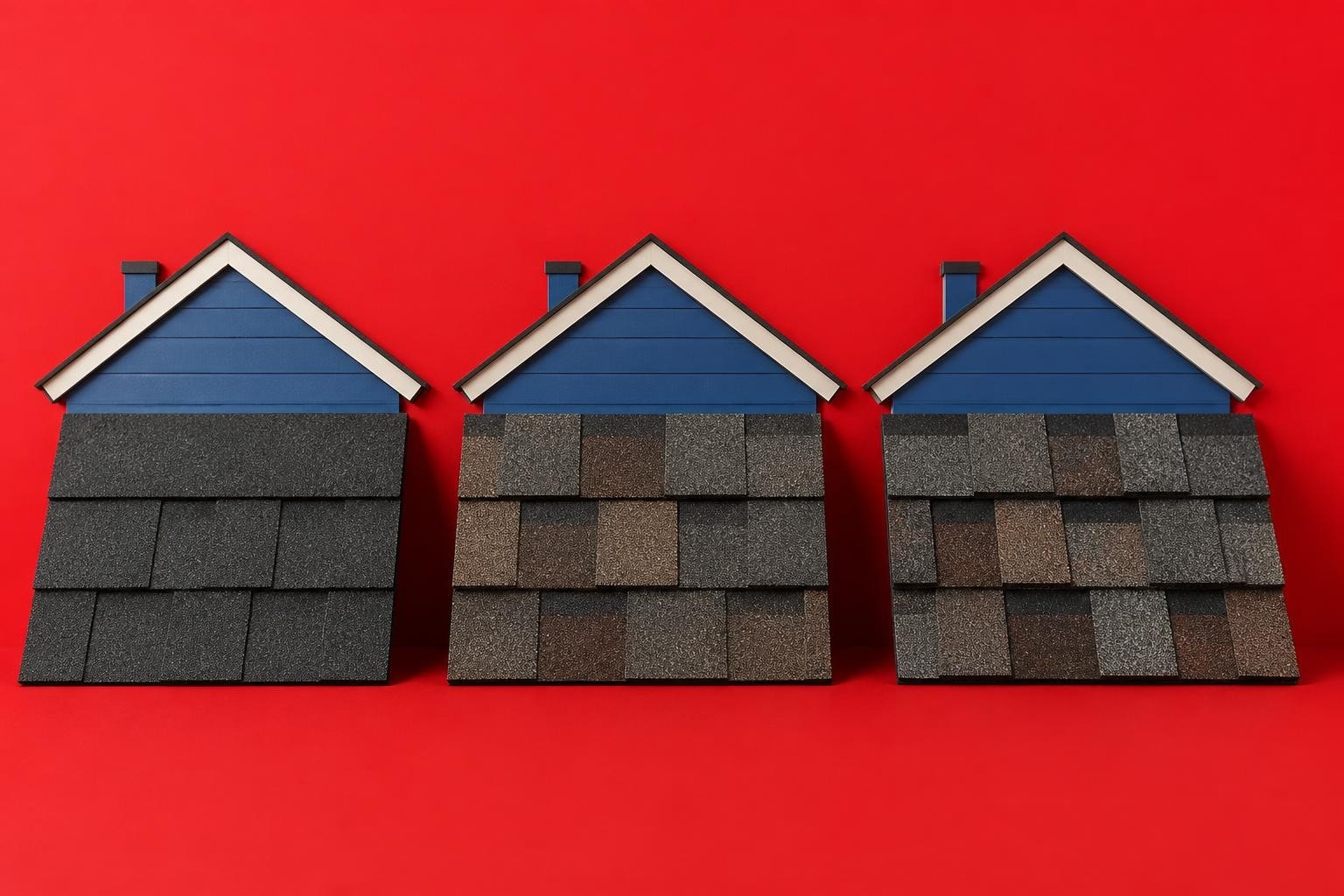
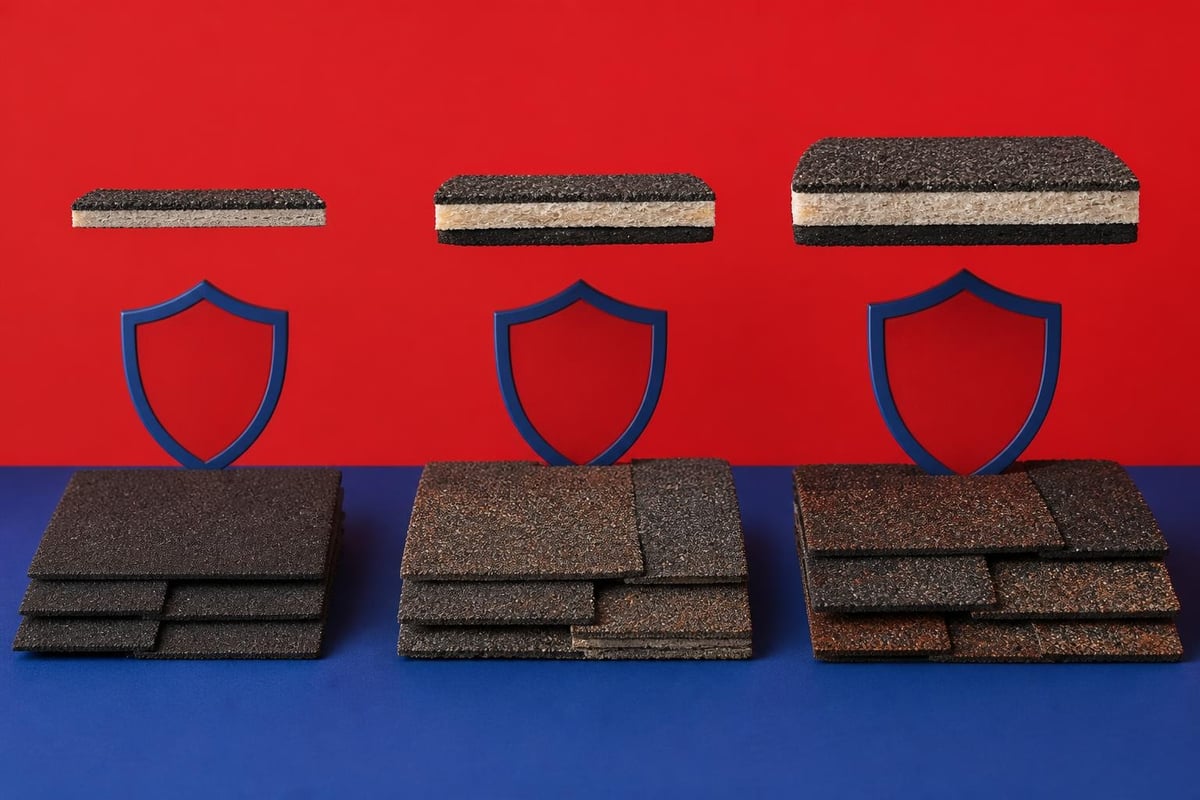
The type of asphalt shingle you select fundamentally determines your overall project budget. Three primary categories dominate the residential roofing market, each with distinct characteristics and price points.
3-Tab Shingles represent the most economical option, featuring a flat, uniform appearance with three evenly spaced tabs. These shingles typically last 15 to 20 years and cost between $90 to $150 per square (100 square feet) for materials alone. The total installed cost ranges from $3.50 to $5.50 per square foot, making them attractive for budget-conscious homeowners or rental properties.
Architectural Shingles have become the industry standard for residential applications. These dimensional shingles create depth and visual interest while offering superior durability compared to 3-tab options. According to updated pricing data for 2026, architectural shingles cost between $150 to $250 per square for materials, with installed costs ranging from $5.50 to $8.50 per square foot.
Premium or Designer Shingles represent the top tier of asphalt roofing products. These specialty shingles mimic the appearance of natural slate or cedar shake while maintaining the practical benefits of asphalt composition. Material costs range from $250 to $450 per square, with total installation costs reaching $8.50 to $12.00 per square foot.
Material Quality and Brand Considerations
Not all shingles within each category perform equally. Leading manufacturers like GAF, CertainTeed, Owens Corning, and Tamko offer varying warranty coverage and performance specifications. Premium lines within the architectural category may include:
- Enhanced wind resistance ratings (up to 130 mph)
- Algae-resistant granules for humid climates
- Impact resistance classifications for hail-prone regions
- Extended warranty coverage (30 to 50 years)
Great Roofing works extensively with top-tier manufacturers to ensure homeowners receive durable, high-quality asphalt shingles backed by comprehensive warranties. The brand selection impacts both upfront costs and long-term value, particularly in areas experiencing frequent severe weather events.
Labor Costs and Installation Factors
Labor represents 40 to 60 percent of the total asphalt shingle roof installation cost. Professional installation ensures proper weatherproofing, ventilation, and adherence to building codes, justifying this significant expense component.
The average labor rate for asphalt shingle installation ranges from $1.50 to $3.50 per square foot, varying based on several critical factors:
Roof Complexity dramatically affects labor hours and difficulty. A simple gable roof with minimal penetrations requires less time and expertise than a complex multi-level roof with dormers, valleys, and skylights. Steep-pitch roofs exceeding 6/12 slope demand additional safety equipment and slower installation pace, increasing labor costs by 15 to 30 percent.
Tear-Off Requirements add substantial labor expenses when replacing existing roofing. Most residential projects require complete removal of old shingles and underlayment before new installation. This process costs $1.00 to $2.00 per square foot for a single layer removal. Multiple layers compound the expense and disposal requirements.
| Roof Complexity Level | Additional Labor Cost | Installation Time |
|---|---|---|
| Simple (Gable, Hip) | Baseline | 2-3 days |
| Moderate (Multiple Levels) | +15-25% | 3-5 days |
| Complex (Multiple Dormers, Valleys) | +30-50% | 5-7 days |
Regional Labor Rate Variations
Geographic location significantly influences labor pricing. Metropolitan areas and regions with higher costs of living typically command premium labor rates. In the Joliet and greater Chicago area, experienced roofing contractors charge competitive rates reflecting both skill level and market conditions.
The installation season also affects pricing. Spring and fall represent peak roofing seasons, with contractors maintaining steady workflow and standard pricing. Winter installations may offer discounted rates but come with weather-related challenges and extended timelines.
Additional Cost Components Beyond Shingles
The asphalt shingle roof installation cost encompasses numerous materials and components beyond the visible shingles themselves. These essential elements ensure proper performance and longevity.
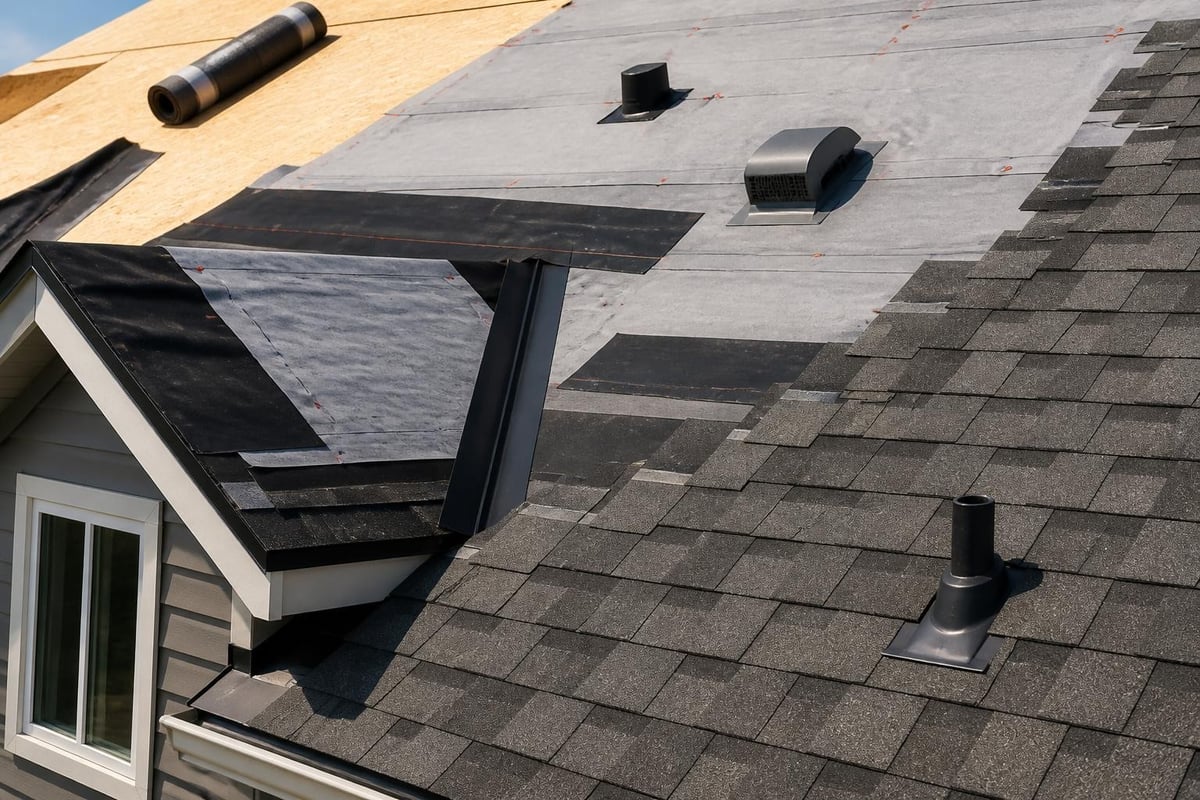
Underlayment serves as the critical waterproofing barrier beneath shingles. Standard felt underlayment costs $15 to $30 per square, while synthetic underlayment ranges from $40 to $75 per square. Modern synthetic options offer superior tear resistance and moisture protection, particularly valuable in regions experiencing hail damage to asphalt shingles.
Ice and Water Shield protects vulnerable areas like eaves, valleys, and penetrations from ice dams and wind-driven rain. This self-adhering membrane costs $60 to $100 per roll, covering approximately 200 square feet. Building codes in northern climates typically mandate ice and water shield along eaves, adding $200 to $600 to project costs.
Flashing and Ventilation components prevent water intrusion and promote proper attic airflow:
- Step flashing around chimneys and walls: $8 to $15 per linear foot
- Valley flashing materials: $3 to $8 per linear foot
- Ridge vents: $2 to $4 per linear foot
- Pipe boot flashings: $10 to $25 each
Drip Edge and Starter Strips complete the roofing system perimeter. Drip edge costs $2 to $4 per linear foot installed, while starter strip shingles add $35 to $50 per square. These components direct water away from fascia boards and provide secure shingle edges.
Roof Size and Square Footage Calculations
Accurate measurement forms the foundation for reliable cost estimates. Roofing professionals measure in "squares," with one square equaling 100 square feet of roof surface area.
Homeowners commonly confuse home square footage with roof square footage. A 2,000-square-foot single-story home typically requires 22 to 24 squares of roofing material when accounting for roof pitch and overhang. Two-story homes with similar footprints need proportionally less roofing.
Calculating Your Roof Area
The comprehensive cost calculator approach considers both horizontal footprint and roof pitch multiplier:
- Measure the horizontal roof area (length × width)
- Apply the pitch multiplier (1.0 for flat, 1.06 for 4/12, 1.12 for 6/12, 1.41 for 12/12)
- Add 10 percent for waste, cuts, and starter courses
- Convert to squares by dividing by 100
For precise estimates, professional contractors conduct on-site measurements accounting for all dormers, valleys, and architectural features. Great Roofing provides complimentary estimates including detailed measurements and material calculations.
Hidden Costs and Structural Considerations
Several potential expenses may emerge during roof replacement projects, affecting the final asphalt shingle roof installation cost.
Decking Repair or Replacement becomes necessary when water damage has compromised the structural sheathing. Plywood or OSB decking costs $2.50 to $4.50 per square foot installed. Extensive rot can add $1,500 to $5,000 to project budgets, particularly in older homes with deferred maintenance.
Permit and Inspection Fees vary by municipality but typically range from $150 to $500 for residential projects. Most jurisdictions require permits for complete roof replacements, ensuring compliance with current building codes and proper installation practices.
Dumpster and Disposal Costs for tear-off debris add $300 to $800 depending on project size and local landfill fees. Some contractors include disposal in their base pricing, while others itemize it separately.
Fascia and Soffit Repairs often accompany roof replacement when existing trim shows weather damage or rot. Budget $6 to $20 per linear foot for fascia replacement and $8 to $12 per linear foot for soffit work.
Homeowners experiencing storm damage may find insurance coverage applies to structural repairs and upgraded materials, potentially offsetting these additional expenses.
Cost Comparison by Project Size
Understanding typical investment ranges for common home sizes helps with budget planning. These estimates reflect total installed costs for architectural shingles in the Joliet area market as of 2026.
| Home Size | Roof Squares | Material Cost | Labor Cost | Total Range |
|---|---|---|---|---|
| 1,200 sq ft | 14-16 | $2,100-$4,000 | $2,100-$5,600 | $6,500-$11,000 |
| 1,800 sq ft | 20-22 | $3,000-$5,500 | $3,000-$7,700 | $9,500-$16,000 |
| 2,500 sq ft | 28-32 | $4,200-$8,000 | $4,200-$11,200 | $13,500-$23,000 |
| 3,500 sq ft | 40-45 | $6,000-$11,250 | $6,000-$15,750 | $19,000-$32,000 |
These ranges assume moderate roof complexity with standard pitch and minimal architectural features. Complex roofs with multiple levels, steep pitches, or extensive valley systems increase costs by 20 to 40 percent above these baseline figures.
Financing and Payment Considerations
The significant investment required for roof replacement prompts many homeowners to explore financing options. Several approaches make asphalt shingle roof installation cost more manageable.
Roofing Company Financing programs offer convenient approval processes and competitive interest rates. Many contractors partner with lending institutions to provide same-day approval for qualified applicants. Terms typically range from 12 to 84 months with fixed or variable rates.
Home Equity Lines of Credit leverage existing property equity at potentially lower interest rates than unsecured loans. This option works well for homeowners with substantial equity and multiple home improvement projects planned.
Insurance Claims cover roof replacement when storm damage or covered perils necessitate the work. Working with experienced contractors familiar with insurance claim processes streamlines documentation and approval.
Payment Schedules from reputable contractors typically follow this structure:
- 10-20 percent deposit upon contract signing
- 40-50 percent when materials arrive on-site
- Remaining balance upon project completion and inspection
Avoid contractors demanding full payment upfront, as this creates unnecessary risk and deviates from industry standard practices.
Cost-Saving Strategies Without Compromising Quality
Smart homeowners can reduce asphalt shingle roof installation cost while maintaining quality standards and long-term performance.
Timing Your Project during contractor off-peak seasons (late fall or winter in temperate climates) may yield 10 to 15 percent discounts. Contractors appreciate steady work during slower periods and pass savings to customers.
Bundled Services combining roofing with gutter replacement or siding work reduces mobilization costs and overall project expenses. Great Roofing offers comprehensive exterior services that create economies of scale for multi-faceted projects.
Shingle Selection within the architectural category balances cost and performance. Mid-tier architectural shingles from reputable manufacturers provide excellent longevity and aesthetics at $1.50 to $2.50 less per square foot than premium options.
However, certain shortcuts create false economies:
- Never skimp on underlayment quality, particularly in regions with severe weather exposure
- Avoid contractors offering prices significantly below market rates, suggesting substandard materials or installation practices
- Don't defer necessary decking repairs, as they compound over time and compromise shingle performance
Obtaining multiple detailed estimates helps identify fair market pricing. According to industry cost analysis, homeowners should collect at least three comparable bids before making contractor selections.
Long-Term Value and Return on Investment
While upfront asphalt shingle roof installation cost represents a significant expense, the investment delivers substantial returns through multiple channels.
Energy Efficiency improvements from modern shingles with reflective granules reduce cooling costs by 7 to 15 percent in summer months. Cool roof technology available in premium lines maximizes these savings over the roof's lifespan.
Home Value Appreciation reflects well-maintained roofing systems. Real estate data indicates roof replacement recovers 60 to 68 percent of cost at resale, with higher recovery rates for homes sold shortly after installation.
Insurance Premium Reductions may apply when upgrading to impact-resistant shingles in hail-prone regions. Some insurers offer 10 to 30 percent discounts on dwelling coverage for homes with Class 4 impact-rated roofing.
Warranty Protection from quality materials and professional installation provides peace of mind. Manufacturer warranties covering materials paired with contractor workmanship guarantees create comprehensive coverage addressing most potential issues.
Maintenance Cost Avoidance
Properly installed asphalt shingle roofs require minimal maintenance, typically limited to:
- Annual inspections: $150 to $300
- Minor repairs: $200 to $600 per incident
- Gutter cleaning: $100 to $250 twice annually
These modest expenses pale compared to major repairs necessitated by deferred replacement or substandard installation. Investing in quality installation from experienced roofing contractors prevents costly emergency repairs and premature system failure.
Making Informed Contractor Selections
Contractor selection impacts both immediate asphalt shingle roof installation cost and long-term satisfaction. Several evaluation criteria separate qualified professionals from unreliable operators.
Licensing and Insurance verification protects homeowners from liability and ensures professional standards. Confirm contractors maintain:
- Valid state and local contractor licenses
- General liability insurance ($1 million minimum)
- Workers' compensation coverage for all employees
- Manufacturer certifications for warranty eligibility
Experience and References demonstrate consistent quality and customer satisfaction. Request references from recent projects of similar scope and complexity. Online reviews on platforms like Google and the Better Business Bureau provide additional perspective.
Detailed Written Estimates should itemize all materials, labor, and additional costs. Comprehensive proposals from resources like detailed shingle cost breakdowns help homeowners compare contractor bids effectively.
Communication and Professionalism throughout the estimating process indicate likely project experience. Contractors who respond promptly, answer questions thoroughly, and provide clear timelines typically deliver superior overall service.
Family-owned businesses often provide personalized attention and accountability that larger franchise operations cannot match. Local contractors also understand regional weather patterns, building codes, and common architectural styles affecting installation requirements.
Regional Considerations for Illinois Homeowners
Climate conditions and building requirements in the Joliet area create specific considerations affecting asphalt shingle roof installation cost and material selection.
Severe Weather Exposure from thunderstorms, hail, and occasional tornadoes makes impact resistance a valuable feature. Class 4 impact-rated shingles add $0.50 to $1.25 per square foot but provide superior protection against common damage sources.
Freeze-Thaw Cycles stress roofing systems through winter months. Quality ice and water shield application along eaves prevents ice dam damage, a common issue in northern climates. Additional underlayment protection in valleys and around penetrations guards against wind-driven moisture intrusion.
Building Code Requirements in Illinois municipalities may mandate specific ventilation ratios, underlayment types, or wind resistance ratings. Professional contractors maintain current knowledge of code requirements, ensuring compliant installations that pass required inspections.
Understanding when to choose the best roof for your home involves balancing these regional factors with aesthetic preferences and budget constraints. Climate-appropriate material selections extend roof lifespan and reduce maintenance requirements over time.
Warranty Coverage and Long-Term Protection
Comprehensive warranty coverage significantly enhances the value proposition of your roofing investment. Understanding warranty components helps evaluate total cost versus long-term protection.
Manufacturer Material Warranties cover defects in shingle manufacturing and premature granule loss. Standard coverage includes:
- 25 to 30 years for 3-tab shingles
- 30 to 50 years for architectural shingles
- Lifetime coverage for premium designer lines
These warranties typically feature stepped coverage, providing full replacement for the initial 10 to 15 years before transitioning to prorated coverage.
Contractor Workmanship Warranties protect against installation defects and improper application. Reputable contractors offer 5 to 10 year workmanship guarantees covering labor and associated repairs. This protection proves invaluable when addressing issues like improper flashing or ventilation installation.
Enhanced System Warranties become available when using a single manufacturer's complete roofing system (shingles, underlayment, starter strips, ridge cap, and ventilation). These comprehensive warranties extend coverage periods and may include additional protections like algae resistance and wind damage.
Reading warranty fine print reveals important limitations and maintenance requirements. Most warranties require professional installation by certified contractors and regular maintenance to remain valid. According to comprehensive roofing cost guides, warranty value should factor into material selection decisions alongside upfront pricing.
Understanding asphalt shingle roof installation cost empowers homeowners to make informed decisions balancing quality, longevity, and budget. The investment in professional installation using quality materials protects your home for decades while providing energy efficiency and curb appeal benefits. Whether you're addressing storm damage, replacing an aging roof, or building new construction, working with experienced professionals ensures optimal results. Great Roofing brings family-owned dedication and professional expertise to every project throughout the Joliet area, providing transparent estimates, quality workmanship, and comprehensive warranty protection. Contact our team today to schedule your complimentary roof assessment and detailed cost estimate.