

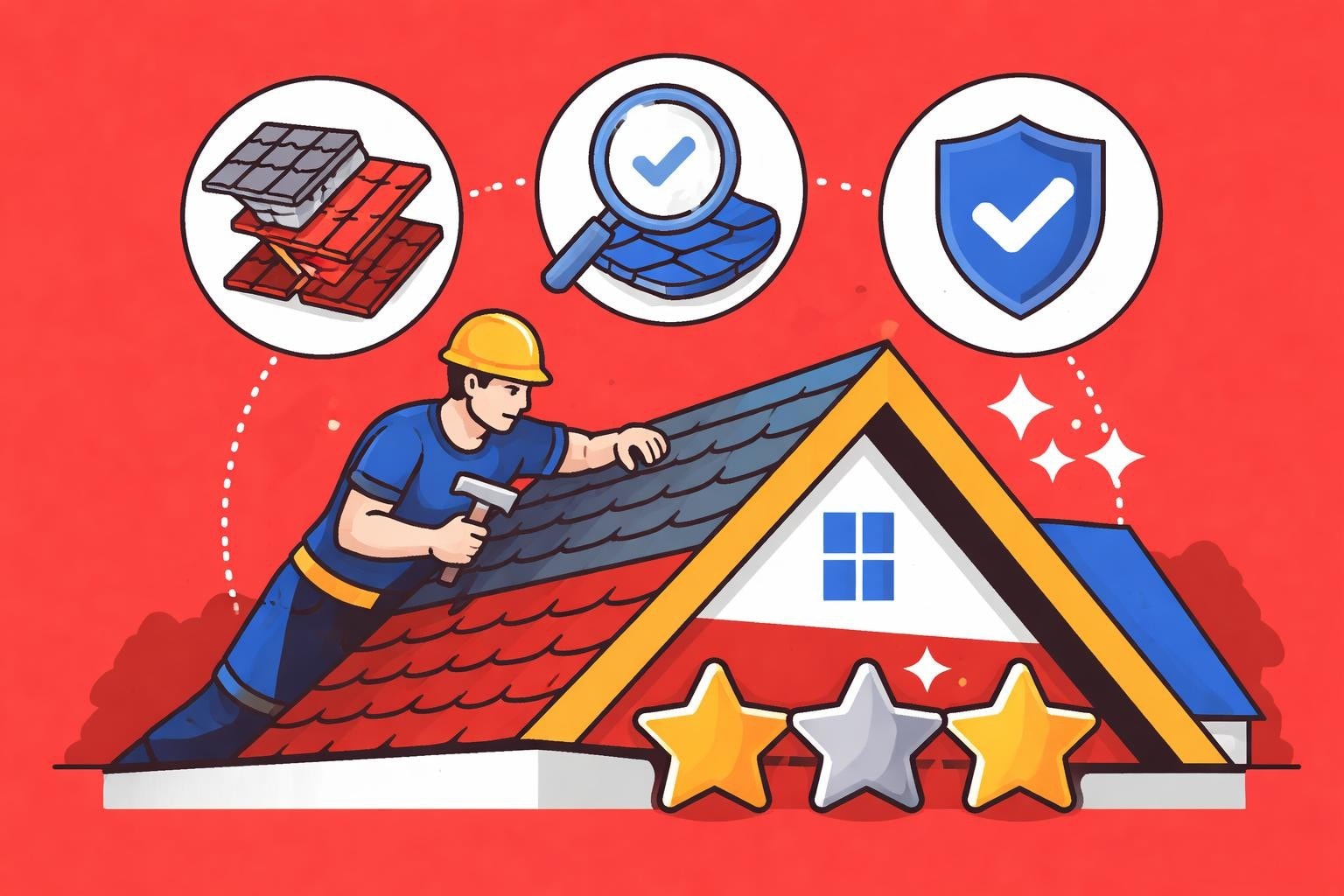
When homeowners and property managers search for roofing solutions, they're not just looking for someone to patch leaks or replace shingles. They're seeking a commitment to excellence that ensures their investment lasts decades. The concept of "McKay quality roofing" has become synonymous with exceptional craftsmanship, attention to detail, and adherence to industry best practices. Understanding what separates superior roofing work from mediocre installations helps property owners make informed decisions about their most critical building component. Whether you're planning a residential roof replacement or managing commercial properties in Joliet and surrounding areas, knowing the hallmarks of quality roofing can save thousands of dollars in premature repairs and replacements.
Understanding the Foundation of Quality Roofing
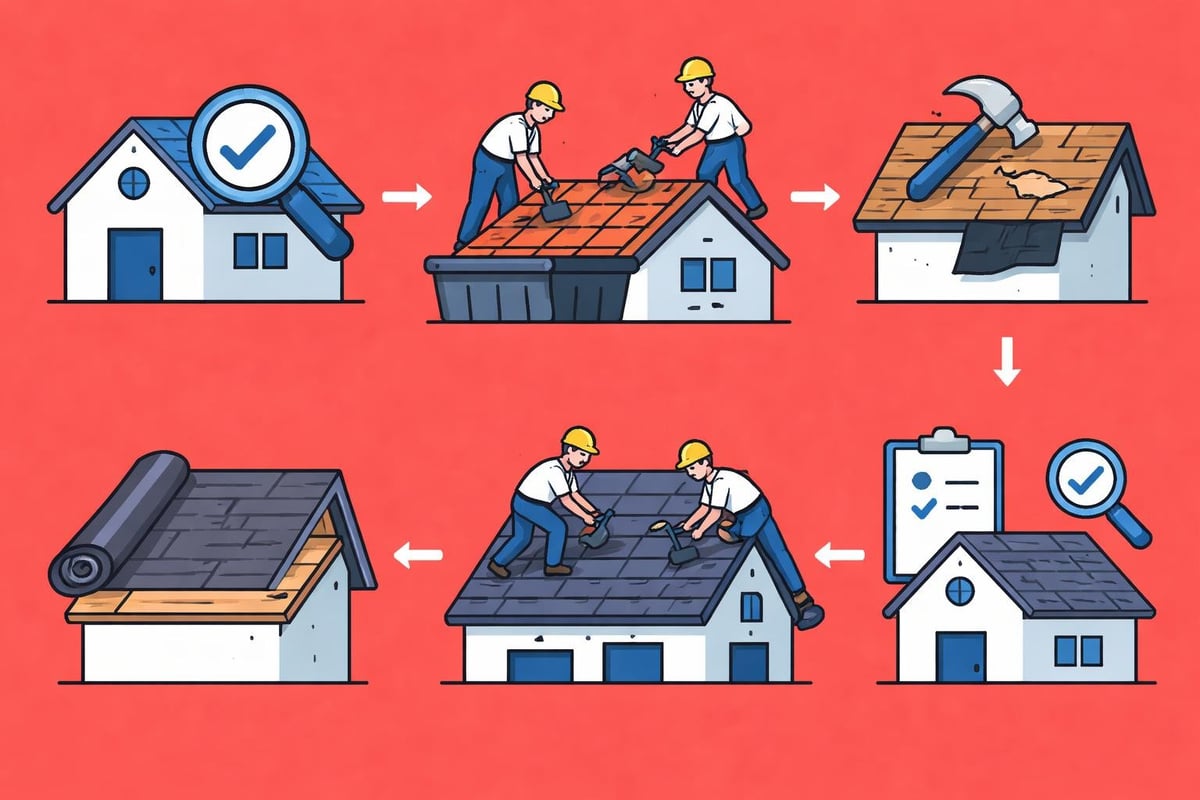
McKay quality roofing represents a standard that goes beyond simply nailing shingles to a roof deck. It encompasses every phase of the roofing process, from initial assessment through final inspection. Quality begins with a thorough evaluation of existing conditions, structural integrity, and proper ventilation requirements.
Professional roofing contractors who embody these standards recognize that each project presents unique challenges. Climate conditions in Illinois, for instance, demand specific material selections and installation techniques to withstand freeze-thaw cycles, heavy snow loads, and occasional severe storms. The best practices in roofing craftsmanship emphasize planning, material quality, and skilled execution as non-negotiable elements.
Material Selection and Specification
Choosing appropriate roofing materials forms the cornerstone of any quality installation. McKay quality roofing standards require careful consideration of several factors:
- Climate compatibility: Materials must perform reliably through all four seasons
- Structural capacity: Roof framing must adequately support the selected system
- Aesthetic integration: Roofing should complement architectural style
- Longevity expectations: Return on investment through extended service life
- Warranty coverage: Manufacturer guarantees that protect the investment
The difference between adequate and exceptional roofing often comes down to material grade. While budget options might appear attractive initially, they frequently fail prematurely, requiring costly repairs or complete replacement. Understanding different types of roofing materials helps property owners align their choices with long-term goals and budget realities.

Craftsmanship Standards That Define Excellence
The installation phase separates competent contractors from true craftsmen. McKay quality roofing principles demand meticulous attention to manufacturer specifications, building codes, and time-tested installation methods. Every component, from underlayment to ridge caps, requires proper technique.
Skilled roofers understand that shortcuts during installation create vulnerabilities. Improperly sealed valleys, inadequate flashing around penetrations, or incorrectly spaced fasteners can compromise even the highest-grade materials. Professional installation includes proper deck preparation, ensuring surfaces are clean, dry, and structurally sound before new materials are applied.
Critical Installation Components
| Component | Quality Standard | Common Failure Point |
|---|---|---|
| Underlayment | Ice and water barrier in vulnerable areas | Inadequate coverage at eaves and valleys |
| Flashing | Step flashing at sidewalls, counterflashing | Reliance on caulk instead of proper metal work |
| Ventilation | Balanced intake and exhaust | Insufficient airflow causing premature aging |
| Fastening | Proper depth and spacing per manufacturer | Over-driven or under-driven fasteners |
Commercial roofing systems require even more specialized knowledge. Best practices for commercial roofing installations highlight how modified bitumen, EPDM, and TPO systems each demand distinct installation protocols. Property owners with commercial buildings benefit tremendously from contractors who invest in ongoing training and certification.
The commitment to excellence extends to weather awareness. Quality-focused contractors never rush installations during unsuitable conditions. Installing asphalt shingles in freezing temperatures, for example, prevents proper seal activation, while membrane applications in excessive heat can cause distortion.
Code Compliance and Industry Standards
Adherence to building codes represents the minimum acceptable standard, yet McKay quality roofing exceeds these baselines. The National Roofing Contractors Association provides comprehensive guidelines that professional contractors reference to ensure installations meet or surpass regulatory requirements.
Local building departments in Illinois enforce the International Building Code with state-specific amendments. These regulations address critical safety concerns including fire resistance, wind uplift ratings, and structural load calculations. Quality contractors maintain current knowledge of these evolving standards and incorporate them into every project specification.
Permitting and Inspection Protocols
Professional roofing companies handle permitting processes efficiently, demonstrating their familiarity with local requirements. This administrative competence signals operational maturity and commitment to legal compliance. Inspections become opportunities to showcase quality work rather than sources of anxiety about potential violations.
Superior contractors welcome third-party inspections because they validate craftsmanship. Some even offer post-installation reviews by independent roofing consultants, providing property owners with objective assessments of workmanship quality. This transparency builds trust and demonstrates confidence in delivered results.
For homeowners dealing with storm damage insurance claims, working with contractors who understand documentation requirements and code compliance becomes invaluable. Insurance adjusters appreciate comprehensive reports that clearly identify damage and specify code-compliant repairs.
Residential Roofing Excellence
Residential properties demand different considerations than commercial structures. McKay quality roofing for homes prioritizes both performance and curb appeal. Architectural shingles have become the gold standard for residential applications, offering dimensional aesthetics with proven durability.
The residential roofing process begins with accurate measurements and material calculations. Professional estimators account for waste factors, complex roof geometries, and proper accessory quantities. Underestimating material needs leads to delays and mismatched shingle lots, while overestimating creates unnecessary expense.
Common Residential Roofing Mistakes
Property owners should recognize common roofing mistakes to avoid when evaluating contractor proposals. These frequent errors include:
- Neglecting proper ventilation: Leads to premature shingle failure and ice dam formation
- Inadequate decking repairs: Installing new materials over compromised substrate
- Improper valley installation: Creating pathways for water intrusion
- Insufficient attic insulation: Causing energy loss and moisture problems
- Cutting corners on flashing: Relying on sealants instead of mechanical attachments
Homeowners concerned about hail damage to asphalt shingles should understand how quality installation affects impact resistance. Properly installed, high-quality shingles demonstrate superior performance during severe weather events. Impact-resistant products carry Class 4 ratings, offering enhanced protection and potential insurance premium reductions.
The choice between three-tab and architectural shingles significantly impacts both appearance and longevity. While three-tab products offer basic protection, architectural shingles provide superior wind resistance, aesthetic dimension, and extended warranties. Quality-conscious homeowners increasingly select premium products that deliver better long-term value.
Commercial Roofing System Quality
Commercial properties present unique challenges requiring specialized expertise. McKay quality roofing standards for commercial applications emphasize membrane integrity, proper drainage, and systematic maintenance protocols. Modified bitumen systems, widely used on low-slope commercial roofs, demand precise torch application or cold adhesive techniques.
The commercial roofing industry has evolved significantly, with single-ply membranes like TPO and EPDM gaining market share. Each system offers distinct advantages depending on building use, budget constraints, and expected service life. Commercial roofing considerations extend beyond immediate installation to lifecycle management and energy efficiency.
Commercial System Comparison
| System Type | Installation Method | Expected Lifespan | Primary Advantage |
|---|---|---|---|
| Modified Bitumen | Torch-applied or cold adhesive | 15-20 years | Excellent waterproofing |
| TPO | Heat-welded seams | 20-30 years | Energy efficiency |
| EPDM | Mechanically attached or fully adhered | 25-30 years | Proven durability |
| Built-up Roofing | Hot asphalt or cold adhesive | 20-25 years | Impact resistance |
Professional commercial contractors coordinate installations to minimize business disruption. Night and weekend work, phased replacements, and clear communication protect operational continuity. Quality contractors understand that commercial clients cannot afford extended shutdowns or compromised interior environments.
Drainage design critically impacts commercial roof performance. Properly sloped roofs channel water efficiently to scuppers and drains, preventing ponding that accelerates membrane deterioration. Quality installations include tapered insulation systems that create positive drainage even on nominally flat roof decks.
Quality Control and Workmanship Warranties
McKay quality roofing incorporates systematic quality control throughout project execution. Stringent quality standards in roofing products established by manufacturers provide a foundation, but installation quality determines real-world performance.
Progressive contractors implement multi-stage inspection protocols. Crew leaders verify proper installation techniques at critical phases, while project managers conduct comprehensive reviews before final completion. This layered approach catches potential issues before they become expensive problems.
Warranty Structures and Protection
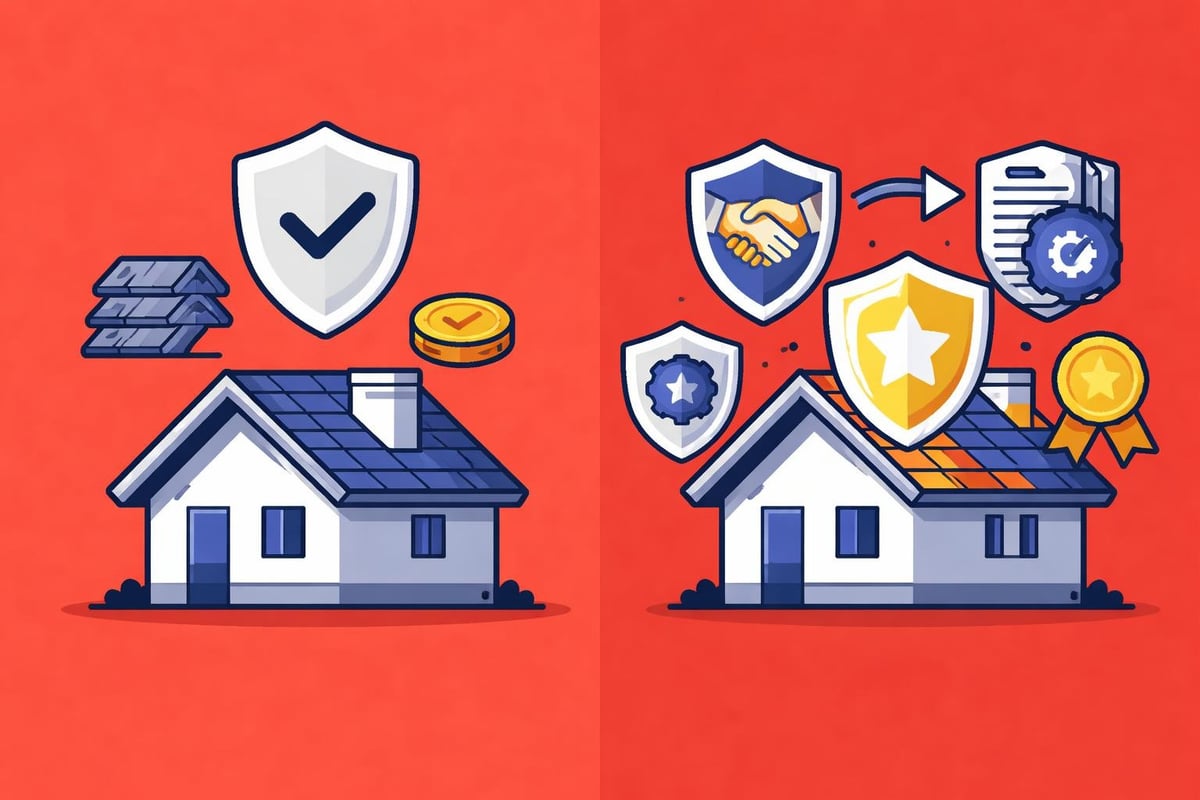
Understanding warranty coverage helps property owners evaluate true project value. Quality roofing installations typically include:
- Manufacturer material warranties: Coverage for product defects, ranging from 25 years to lifetime
- Workmanship warranties: Contractor guarantees on installation quality, typically 5-10 years
- System warranties: Enhanced coverage when specific product combinations and certified installation occur
- Transferable warranties: Protection that extends to future property owners
Reputable contractors clearly explain warranty terms and exclusions. They document installations photographically and maintain detailed records that support warranty claims if issues arise. This documentation proves invaluable during insurance claims or property transfers.
For those seeking metal roof installation expertise, understanding that these systems offer exceptional longevity when properly installed becomes essential. Metal roofing warranties often extend 40-50 years, but only when qualified contractors follow precise installation specifications.
Maintenance and Lifecycle Management
Quality roofing extends beyond installation to comprehensive lifecycle management. McKay quality roofing principles recognize that even premium systems require periodic maintenance to achieve their full service potential. Best practices for roof maintenance emphasize regular inspections and proactive repairs.
Professional maintenance programs identify minor issues before they escalate into major failures. Annual inspections after severe weather events, particularly important for properties in storm-prone regions, catch damage early when repairs remain simple and affordable. Storm damage specialists provide thorough assessments that document conditions for insurance purposes.
Preventive Maintenance Checklist
Property owners should ensure contractors address these critical maintenance elements:
- Clean debris from gutters, valleys, and low points where water collects
- Inspect and reseal flashing around chimneys, vents, and skylights
- Verify proper attic ventilation and address any blockages
- Examine shingles for granule loss, curling, or displacement
- Check for signs of water intrusion in attic spaces and ceiling areas
- Trim overhanging tree branches that could damage roofing materials
- Document conditions with dated photographs for records
Seasonal considerations affect maintenance priorities. Fall inspections prepare roofs for winter weather, ensuring ice dam prevention measures are adequate. Spring assessments identify winter damage while conditions favor repair work. This proactive approach maximizes roof longevity and minimizes emergency repair costs.
Commercial property managers benefit from formal maintenance contracts that schedule regular service intervals. These agreements provide budget predictability while ensuring professional oversight of critical building components. Quality contractors offer tiered service plans accommodating different building needs and budget levels.
Financial Considerations and Investment Protection
Quality roofing represents a significant investment deserving careful financial analysis. McKay quality roofing standards acknowledge that initial cost differences pale compared to lifecycle expenses. Cheap installations inevitably require premature replacement, often at inconvenient times requiring emergency response premiums.
Sophisticated property owners evaluate proposals using total cost of ownership calculations. These analyses factor in expected service life, maintenance requirements, energy efficiency impacts, and warranty coverage. A premium installation that lasts 30 years with minimal maintenance costs less annually than a budget system requiring replacement after 15 years.
Investment Analysis Framework
| Factor | Budget Installation | Quality Installation |
|---|---|---|
| Initial Cost | Lower | Higher |
| Expected Lifespan | 12-15 years | 25-30 years |
| Annual Maintenance | Higher frequency | Lower frequency |
| Energy Impact | Minimal efficiency gains | Significant savings |
| Resale Value Impact | Neutral to negative | Positive enhancement |
Financing options make quality roofing accessible to property owners with budget constraints. Many contractors partner with lending institutions offering competitive rates and flexible terms. These programs eliminate the false choice between quality and affordability, enabling smart investments in building protection.
Insurance considerations also factor into quality decisions. Premium roofing materials and proper installation often qualify for reduced premiums, particularly in areas prone to hail or wind damage. Choosing the right roofing materials affects insurability and claim outcomes when damage occurs.
Business Practices That Support Quality Delivery
Behind every quality installation stands a well-managed contracting business. Best practices for roofing contractors emphasize structured production management, employee training, and customer communication protocols. These operational foundations enable consistent quality delivery.
Professional contractors maintain properly equipped crews with specialized tools and safety equipment. They invest in ongoing education, ensuring installers remain current with evolving products and techniques. Manufacturer certifications validate contractor expertise and qualify installations for enhanced warranties.
Communication excellence distinguishes quality contractors from commodity providers. Regular project updates, transparent pricing, and responsive customer service build trust throughout the engagement. Property owners appreciate contractors who respect their time, property, and investment.
Financial stability supports quality service delivery. Contractors with sound business practices honor warranties, stand behind their work, and remain accessible years after project completion. Effective collection practices ensure business continuity while maintaining positive customer relationships.
Regional Expertise and Local Knowledge
Geographic expertise significantly impacts roofing quality. Contractors familiar with local climate patterns, building codes, and architectural preferences deliver superior results. Illinois-specific challenges include dramatic temperature swings, heavy snow loads, and severe thunderstorm activity requiring specialized knowledge.
Local contractors understand permit requirements, inspection protocols, and utility coordination procedures that streamline project execution. They maintain relationships with regional suppliers, ensuring material availability and competitive pricing. This embedded knowledge prevents delays and miscommunications that plague out-of-area contractors.
Weather pattern familiarity influences scheduling decisions and installation techniques. Experienced local contractors recognize when conditions favor certain activities and when delays prevent quality compromises. They understand how seasonal temperature variations affect material performance and adjust procedures accordingly.
Community reputation motivates quality performance. Local contractors depend on referrals and repeat business from satisfied customers. This accountability encourages excellence and ensures responsive service when warranty issues arise. Property owners benefit from selecting contractors with established track records in their communities.
Quality roofing requires the convergence of premium materials, skilled craftsmanship, and professional business practices that extend from initial consultation through decades of service. Understanding the McKay quality roofing standards helps property owners make informed decisions that protect their investments and provide lasting peace of mind. Great Roofing brings family-owned dedication and professional expertise to every residential and commercial project throughout Joliet and surrounding communities, delivering the quality craftsmanship and customer service your property deserves.