

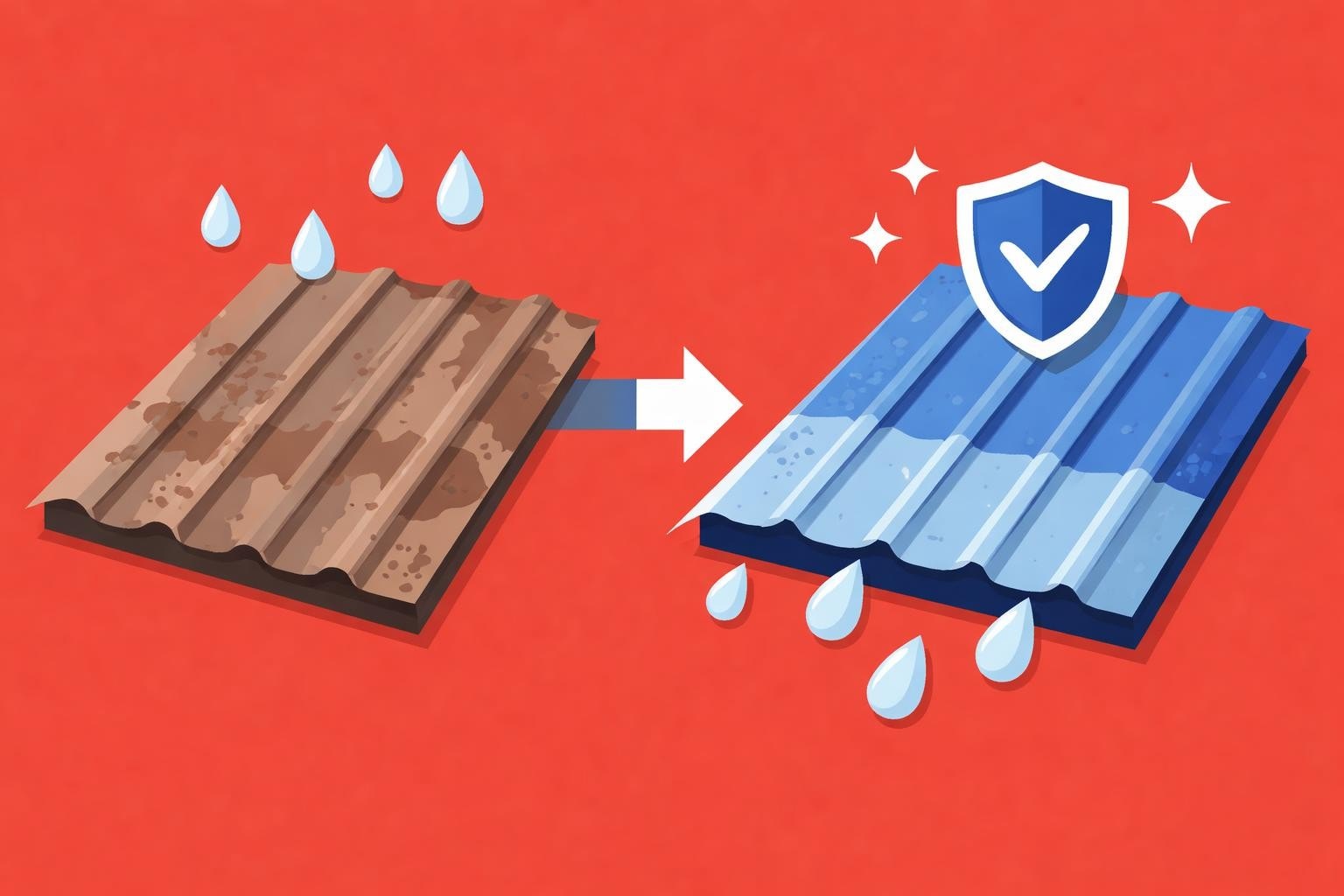
Metal roofing systems are renowned for their durability and longevity, but even the most robust metal roofs eventually show signs of wear. Instead of investing in a complete tear-off and replacement, property owners across Joliet and surrounding areas are discovering the value of metal roof restoration as a cost-effective alternative. This comprehensive approach addresses corrosion, leaks, and deterioration while adding years to your existing roof's service life. Whether you manage commercial facilities or own residential properties, understanding the restoration process can help you make informed decisions about protecting your investment.
Understanding Metal Roof Deterioration
Metal roofing systems face unique challenges that differ significantly from traditional asphalt shingle roofs. The primary enemies of metal roofs include thermal expansion and contraction, which occur daily as temperatures fluctuate. This constant movement loosens fasteners, creates gaps at seams, and eventually leads to water infiltration.
Corrosion represents another critical threat to metal roof integrity. Even galvanized and coated metal panels eventually succumb to oxidation, particularly in areas with high humidity or industrial pollutants. The protective coating on metal panels breaks down over time, exposing the base metal to moisture and accelerating deterioration.
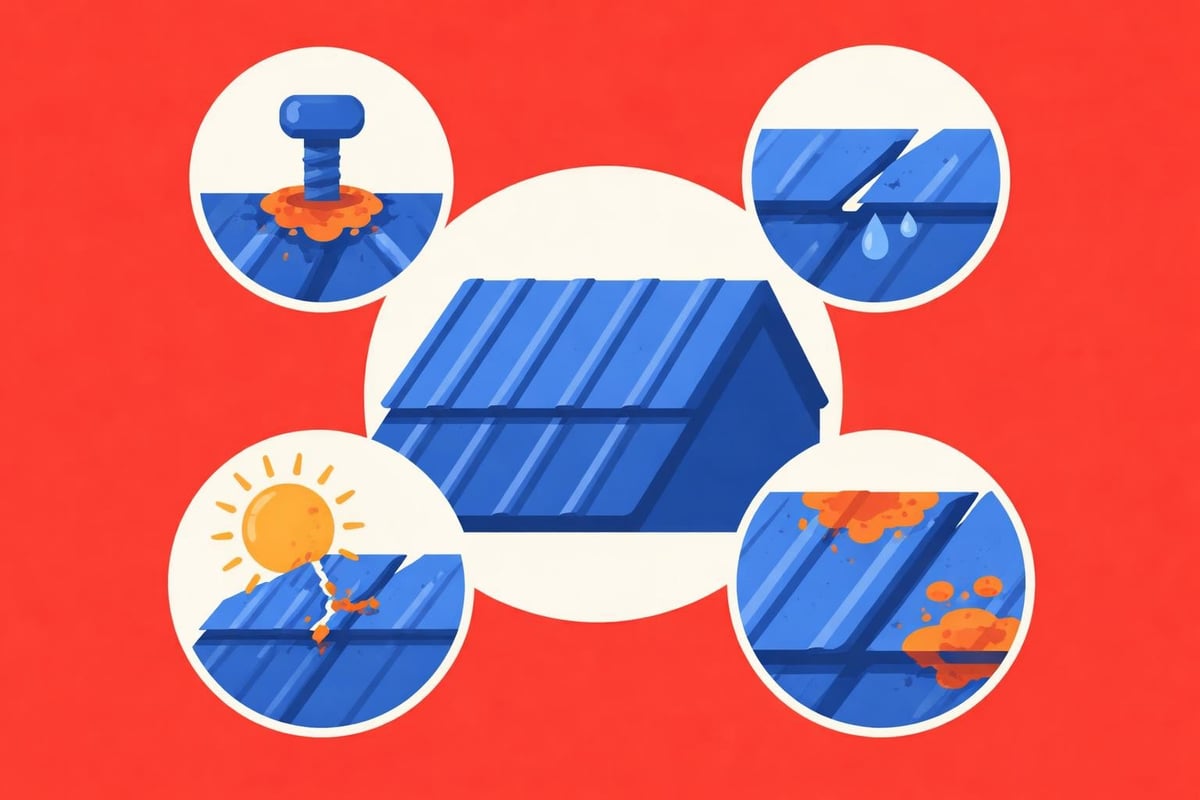
Several warning signs indicate your metal roof might need attention:
- Visible rust spots or streaking on panels
- Loose or missing fasteners creating potential leak points
- Separated or failing seams between metal sheets
- Standing water or ponding in certain areas
- Interior water stains or active leaks during rainfall
- Chalking or fading of the protective coating
Understanding these deterioration patterns helps property owners act proactively before minor issues escalate into major problems requiring complete roof replacement.
The Metal Roof Restoration Process
Professional metal roof restoration follows a systematic approach designed to address existing damage while preventing future deterioration. Metal roof restoration systems provide comprehensive protection through multiple layers of specialized coatings and treatments.
Initial Inspection and Assessment
A thorough roof inspection forms the foundation of any successful restoration project. Qualified contractors examine every aspect of the roofing system, documenting areas of concern and developing a customized restoration plan. This assessment includes checking the structural integrity of the decking, evaluating fastener condition, and identifying all penetrations that might allow water entry.
Digital moisture mapping helps locate trapped water within the roofing system, even when no visible leaks exist. This technology prevents the common mistake of sealing moisture inside the roof assembly, which would accelerate deterioration from within.
Surface Preparation and Repairs
Proper surface preparation determines restoration system performance and longevity. The process begins with power washing to remove dirt, debris, oxidation, and loose coating materials. This step ensures maximum adhesion for subsequent coating layers.
Structural repairs follow cleaning operations. Contractors replace severely corroded panels, secure loose fasteners, and address any damaged substrate areas. All seams, penetrations, and fastener heads receive special attention during this phase.
| Restoration Phase | Key Activities | Critical Success Factors |
|---|---|---|
| Inspection | Moisture mapping, structural assessment, documentation | Thoroughness, experience, proper equipment |
| Cleaning | Power washing, rust removal, surface preparation | Complete debris removal, proper drying time |
| Repairs | Panel replacement, fastener securing, seam reinforcement | Quality materials, skilled installation |
| Coating Application | Primer, base coat, top coat systems | Weather conditions, proper thickness, curing time |
Coating System Application
The coating system represents the heart of metal roof restoration. Modern restoration solutions employ multiple layers, each serving specific purposes. A primer coat creates a bond between the existing metal surface and subsequent layers while providing additional corrosion resistance.
The base coat delivers waterproofing properties and fills minor surface imperfections. This layer often incorporates reinforcing fabric at seams, penetrations, and other critical areas to create a monolithic membrane that eliminates potential leak points.
Top coats provide UV protection, reflectivity, and the final weather barrier. High-quality acrylic or silicone formulations offer superior elasticity, allowing the coating to expand and contract with the metal substrate without cracking or delaminating.
Cost Analysis and Long-Term Value
Metal roof restoration delivers significant financial advantages compared to complete replacement. Property owners typically save 40-60% versus tear-off and reinstallation costs. This calculation includes avoided disposal fees, reduced labor expenses, and minimal business disruption during the restoration process.
Immediate Cost Savings
The restoration approach eliminates several expensive components required for new roof installation. No tear-off means no disposal costs for old materials, which can represent 15-20% of total replacement expenses. Labor costs decrease substantially since restoration requires fewer workers and less time on-site.
Building operations continue normally during restoration work in most cases. Commercial facilities avoid the noise, debris, and safety concerns associated with complete roof replacement. This operational continuity prevents revenue losses that often accompany major construction projects.
Energy efficiency improvements generate ongoing savings that compound over time. Reflective coating systems reduce cooling costs by 10-25% depending on building type, insulation levels, and climate conditions. These energy-efficient roofing solutions often qualify for utility rebates and tax incentives available in 2026.
Return on Investment Calculations
Calculating restoration ROI requires examining both immediate savings and long-term benefits. A properly executed metal roof restoration extends service life by 15-20 years, delaying the substantial capital expenditure required for complete replacement.
Example ROI Scenario for 20,000 Square Foot Commercial Building:
- Restoration cost: $45,000 ($2.25 per square foot)
- Replacement cost avoided: $120,000 ($6.00 per square foot)
- Immediate savings: $75,000
- Annual energy savings: $3,500
- Five-year energy savings: $17,500
- Total five-year benefit: $92,500
- ROI: 205% over five years
These calculations demonstrate why commercial roofing professionals increasingly recommend restoration over replacement for qualifying metal roof systems.
Warranty Considerations and Quality Assurance
Reputable restoration systems come with comprehensive warranties covering both materials and workmanship. Standard warranty periods range from 10 to 20 years, with some premium systems offering even longer protection. Understanding warranty terms helps property owners make informed decisions and protect their investments.

Material vs. Labor Warranties
Material warranties from coating manufacturers guarantee product performance against defects, premature degradation, and failure to meet specified standards. These warranties typically cover the longest periods, often 15-20 years for premium systems.
Labor warranties protect against installation errors and workmanship issues. Contractor-provided labor coverage usually extends 2-10 years, depending on the company's confidence in their installation quality. Some contractors offer extended labor warranties as a competitive differentiator.
Critical Warranty Components:
- Weathertight guarantee protecting against leaks
- Material coverage for coating degradation or failure
- Labor protection for installation-related issues
- Specified maintenance requirements to maintain coverage
- Prorated vs. non-prorated terms affecting claim values
- Transferability options for property sale scenarios
Property owners should review warranty documentation carefully before project approval. Some warranties require regular maintenance inspections and documentation to remain valid. Understanding these obligations prevents inadvertent coverage voidance.
Selecting the Right Restoration Contractor
Choosing a qualified contractor significantly impacts restoration project outcomes. Not all roofing companies possess the specialized knowledge and experience required for successful metal roof restoration. The selection process should evaluate multiple factors beyond simple price comparisons.
Qualifications and Experience
Contractor certifications from coating manufacturers indicate specialized training and demonstrated competence. These certifications often come with access to extended warranties unavailable through non-certified installers. Ask potential contractors about their manufacturer relationships and training credentials.
Years of experience specifically with metal roof restoration matter more than general roofing experience. A contractor might excel at metal roof installation but lack the nuanced understanding required for restoration work. Request references from similar projects completed within the past three years.
Evaluation Criteria Checklist
- Manufacturer certifications for restoration systems
- Minimum five years metal restoration experience
- Verifiable references from similar projects
- Comprehensive insurance coverage including workers' compensation
- Detailed written proposals with scope specifications
- Clear warranty explanations and documentation
- Financial stability indicators (bonding capacity, credit references)
Local contractors familiar with regional climate challenges offer distinct advantages. Companies based in Joliet understand the thermal cycling, freeze-thaw patterns, and precipitation characteristics that affect metal roof performance in northern Illinois. This local knowledge informs material selection and application techniques.
Maintenance Programs for Restored Roofs
Metal roof restoration represents a significant investment that requires ongoing protection through regular maintenance. Establishing a formal maintenance program maximizes restoration system longevity and ensures warranty compliance. Most manufacturers specify maintenance requirements as warranty conditions.
Annual Inspection Protocols
Professional inspections should occur at least annually, preferably in spring after winter weather subsides. Trained inspectors examine coating condition, check for debris accumulation, verify proper drainage, and identify any developing issues before they cause damage.
Inspection reports should document findings with photographs and recommend corrective actions. Minor repairs performed promptly prevent escalation into major problems requiring extensive work. Many restoration contractors offer maintenance agreements bundling annual inspections with minor repair services.
Essential Maintenance Activities:
- Debris removal from roof surface and drainage systems
- Vegetation elimination (moss, algae, plant growth)
- Minor coating touch-ups at high-wear areas
- Fastener tightening and seam inspections
- Penetration sealing verification
- Drainage system clearing and testing
Property owners can perform some maintenance tasks in-house, particularly debris removal and visual monitoring. However, coating repairs and technical assessments require professional expertise. Attempting DIY coating repairs often voids warranties and creates more problems than they solve.

The cost of regular maintenance represents a fraction of restoration investment while protecting the entire system. Budget approximately 2-3% of initial restoration costs annually for comprehensive maintenance programs. This modest investment prevents premature system failure and maximizes return on the restoration expenditure.
Environmental and Sustainability Benefits
Metal roof restoration aligns with growing sustainability priorities for both commercial and residential properties. The environmental advantages extend beyond simple waste reduction, encompassing energy conservation, resource preservation, and carbon footprint minimization.
Waste Reduction Impact
Complete roof replacements generate enormous quantities of construction waste. A typical 20,000 square foot metal roof replacement produces 15-20 tons of scrap metal and associated materials destined for landfills. While metal components offer recycling potential, the process consumes energy and resources.
Restoration eliminates this waste stream entirely. Existing materials remain in place, avoiding the environmental costs of manufacturing new panels, transporting materials, and processing waste. This waste avoidance represents one of restoration's most significant environmental contributions.
| Environmental Metric | Restoration | Replacement | Impact Difference |
|---|---|---|---|
| Waste Generated | Minimal (cleaning debris only) | 15-20 tons typical | 95%+ reduction |
| Energy Consumption | Low (coating production/application) | High (manufacturing, transport, installation) | 60-70% reduction |
| Carbon Emissions | Reduced transportation, minimal manufacturing | Full manufacturing cycle, heavy transport | 50-65% lower |
| Resource Conservation | Preserves existing materials | Requires new raw materials | Significant preservation |
Energy Efficiency Improvements
Reflective coating systems transform aged, dark metal roofs into high-performance cool roofs. Solar reflectance values increase dramatically, often exceeding 85% with premium white coatings. This reflectivity reduces heat absorption and lowers cooling demands substantially.
Building owners in climate zones requiring significant air conditioning realize the greatest energy savings. However, even facilities in moderate climates benefit from reduced temperature extremes and improved interior comfort. The best metal roofing materials combined with restoration coatings deliver optimal performance.
Common Restoration Challenges and Solutions
While metal roof restoration offers numerous advantages, certain conditions complicate the process or reduce suitability. Understanding these challenges helps property owners set realistic expectations and make informed decisions about proceeding with restoration versus replacement.
Structural Limitations
Severely corroded panels with holes or extensive thinning may exceed restoration capabilities. Coating systems cannot replace missing metal or restore structural integrity to heavily compromised panels. In these cases, partial panel replacement before coating application becomes necessary.
Inadequate roof slope creates ponding water conditions that challenge any coating system. While some restoration products tolerate ponding better than others, persistent standing water reduces coating lifespan and increases maintenance requirements. Addressing drainage issues before restoration improves outcomes significantly.
Application Constraints
Weather conditions critically impact coating application and curing. Most systems require temperatures above 50°F and dry conditions for proper adhesion and curing. This limitation restricts application windows in northern climates, potentially extending project timelines.
Occupied buildings present unique challenges during surface preparation. Power washing generates substantial noise and vibration that may disrupt operations. Contractors must coordinate activities carefully to minimize business impact while maintaining quality standards.
Solutions for Common Challenges:
- Conduct thorough pre-restoration assessments identifying all deficiencies
- Replace severely damaged panels before coating application
- Install additional drains or modify slopes to eliminate ponding
- Schedule work during favorable weather windows
- Coordinate with building occupants to minimize disruption
- Utilize staging and phasing for large or occupied facilities
Experienced contractors like those specializing in storm damage repairs understand these challenges and develop strategies addressing each project's unique circumstances. Their expertise ensures successful outcomes despite complications.
Restoration vs. Replacement Decision Framework
Determining whether restoration or replacement best serves your needs requires objective evaluation of multiple factors. Neither solution universally outperforms the other; context determines optimal approach. A systematic decision framework helps property owners reach sound conclusions aligned with their specific situations.
Age and Condition Assessment
Roof age alone doesn't dictate restoration suitability. A 15-year-old roof with minimal maintenance might require replacement, while a 25-year-old well-maintained system could prove an excellent restoration candidate. Overall condition matters more than calendar age.
Substrate integrity represents the critical factor. If the metal panels and underlying structure remain sound despite surface deterioration, restoration typically succeeds. However, widespread structural damage, extensive panel corrosion, or failed fasteners suggest replacement might prove more cost-effective long-term.
Financial Considerations
Budget constraints often drive initial interest in restoration, but thorough financial analysis should guide final decisions. Compare total lifecycle costs rather than just immediate expenditures. Sometimes paying more upfront for replacement delivers better value over 20-30 year horizons.
Consider timing factors in financial analysis. If major building renovations or expansions loom within 5-10 years, short-term restoration might prove more practical than long-term replacement. Conversely, properties planned for long-term holding benefit more from permanent solutions.
Decision Matrix Factors:
- Current roof condition and remaining service life
- Building occupancy plans and timeline
- Budget availability and financing options
- Energy efficiency improvement priorities
- Warranty requirements and risk tolerance
- Sustainability and environmental commitments
- Operational disruption acceptance levels
Professional roof inspections provide objective condition assessments supporting informed decisions. Independent evaluations eliminate bias and ensure recommendations align with actual needs rather than contractor preferences.
Metal roof restoration offers property owners a proven, cost-effective alternative to complete replacement while delivering improved performance, extended service life, and significant sustainability benefits. By understanding the restoration process, selecting qualified contractors, and maintaining restored systems properly, you can maximize your roofing investment and protect your property for decades to come. Great Roofing brings family-owned dedication and professional expertise to every metal roof restoration project in Joliet and surrounding communities, helping commercial and residential clients make informed decisions about their roofing needs. Contact our experienced team today to schedule a comprehensive roof assessment and discover whether restoration represents the right solution for your property.