


When it comes to protecting your most valuable asset-your home or business-the choice of contractor matters significantly. While national chains and distant companies may flood your mailbox with advertisements, your local roofer offers distinct advantages that extend far beyond competitive pricing. From understanding regional weather patterns to responding quickly in emergencies, local roofing professionals provide personalized service that larger corporations simply cannot match. For property owners in Joliet and surrounding communities, partnering with a nearby contractor means working with professionals who have a vested interest in your community's success and reputation.
Understanding the Value of Community-Based Roofing Services
Your local roofer brings an intimate knowledge of regional building codes, weather patterns, and architectural styles that out-of-town contractors cannot replicate. This expertise translates directly into better material recommendations, installation techniques suited to local climate conditions, and compliance with municipal requirements.
Regional Climate Expertise
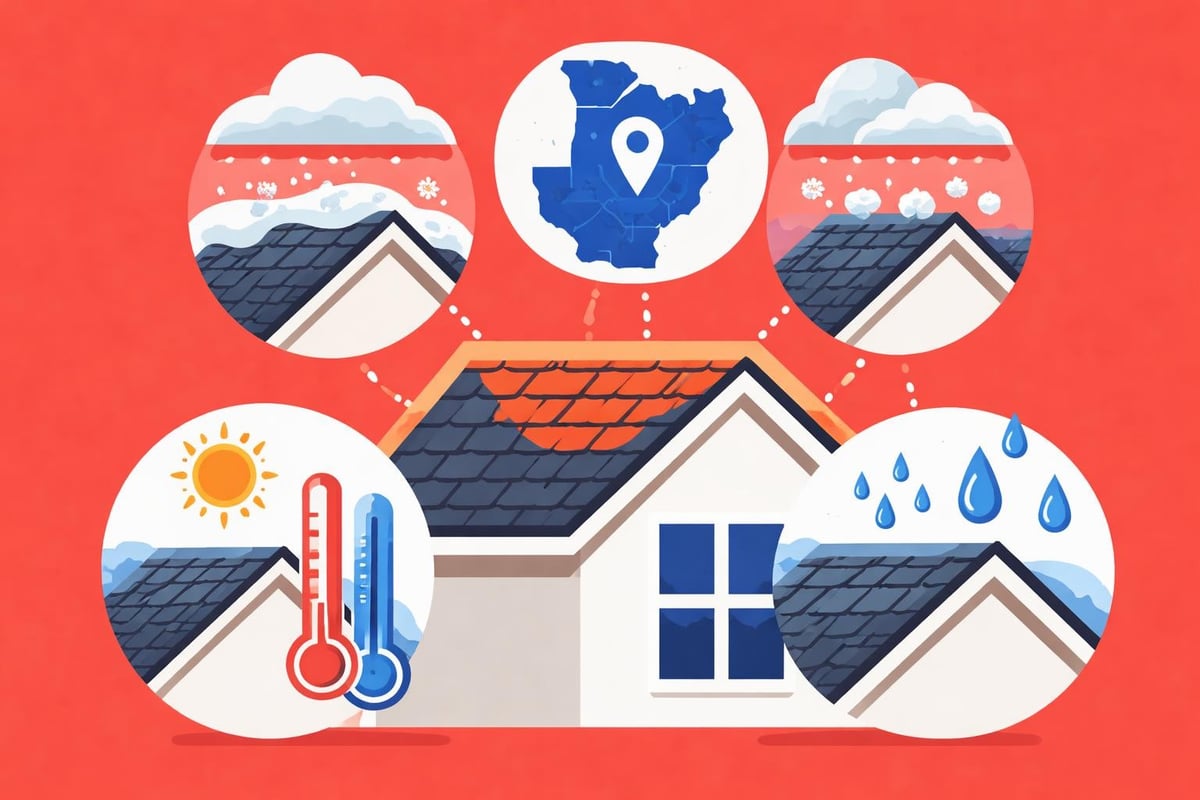
The Midwest experiences dramatic seasonal variations, from intense summer heat to brutal winter storms. A contractor familiar with these conditions understands how thermal expansion and contraction affect roofing materials, which products perform best during ice dam formation, and how to prevent common weather-related failures.
Key climate considerations include:
- Snow load requirements specific to Illinois building codes
- Hail resistance ratings appropriate for the region
- Wind uplift specifications for severe storm zones
- Ventilation systems designed for humid summers and cold winters
Licensing and Local Compliance
Understanding roofing contractor licensing requirements ensures your project meets all legal standards. Your local roofer maintains current certifications and stays informed about municipal code changes that affect installation methods, material specifications, and inspection requirements.
Illinois contractors must navigate specific state regulations while also adhering to local ordinances that vary by municipality. Working with a nearby professional guarantees familiarity with Joliet's permit processes, inspection schedules, and approval timelines.
Rapid Response When Emergencies Strike
Severe weather doesn't operate on a convenient schedule. When storms damage your roof at midnight on a Saturday, your local roofer can respond immediately to prevent further interior damage, secure vulnerable areas, and begin the assessment process.
Emergency Service Advantages
| Response Factor | Local Contractor | Distant Company |
|---|---|---|
| Average arrival time | 1-2 hours | 24-48 hours |
| Familiarity with property | Often recognizes location | Requires detailed directions |
| Material availability | Local supplier relationships | Ships from distant warehouses |
| Follow-up visits | Same-day possible | Scheduled weeks later |
Professional storm damage roofers understand that every hour counts when water infiltration threatens your property. Quick tarping, temporary repairs, and immediate damage documentation can save thousands in secondary damage while protecting your insurance claim eligibility.
Insurance Claim Navigation
Your local roofer has likely worked with every insurance adjuster serving your area. This familiarity streamlines the claims process, ensures accurate damage documentation, and helps property owners receive fair settlements. Unlike transient contractors who disappear after payment, established local businesses maintain relationships with insurance companies built on years of consistent, quality work.
Understanding the intricacies of storm damage insurance claims requires both technical roofing knowledge and insurance policy expertise that comes from processing hundreds of local claims.
Material Selection and Supplier Relationships
Your local roofer maintains established relationships with regional suppliers, distributors, and manufacturers. These partnerships translate into competitive pricing, priority access to materials during high-demand periods, and expert technical support when unique challenges arise.
Quality Material Sourcing
- Direct manufacturer relationships ensure authentic products with valid warranties
- Local inventory access eliminates shipping delays and reduces project timelines
- Bulk purchasing agreements provide cost savings passed to customers
- Technical representative support offers on-site consultation for complex installations
- Warranty coordination simplifies registration and claim processes
When exploring various roofing material options, local contractors can arrange supplier tours, provide physical samples, and facilitate meetings with manufacturer representatives who understand regional performance requirements.
Residential Roofing Excellence
For homeowners, your local roofer understands neighborhood architectural styles, homeowner association requirements, and the specific challenges older homes present. This knowledge ensures your new roof complements your property's character while meeting modern performance standards.
Shingle Roofing Expertise
Asphalt shingles remain the most popular residential roofing material, but installation quality varies dramatically between contractors. Understanding asphalt shingle roofing requires expertise in proper ventilation, ice and water barrier placement, and manufacturer-specific installation requirements that preserve warranty coverage.
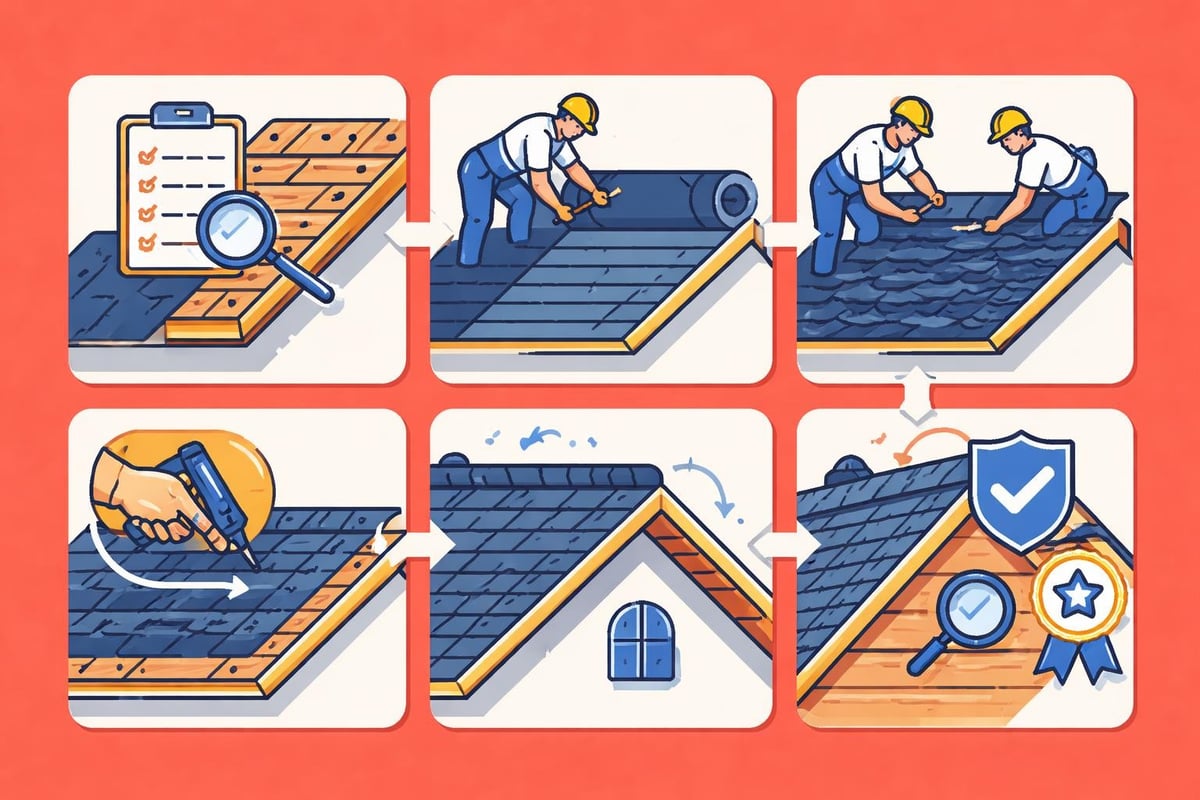
Critical installation elements:
- Proper nail placement within manufacturer specifications
- Adequate ventilation ratios for attic health
- Strategic ice and water shield application
- Drip edge and flashing integration
- Debris management and property protection
Recognizing Hail Damage
Midwest storms frequently produce hail that compromises shingle integrity without creating obvious visual damage. Your local roofer can identify subtle hail damage to asphalt shingles that inexperienced inspectors miss, ensuring insurance claims accurately reflect actual damage and preventing future leaks from undetected impacts.
Commercial Roofing Capabilities
Commercial properties require specialized knowledge of low-slope systems, membrane applications, and best practices for commercial roofing installations. Your local roofer serving businesses understands how downtime affects operations and structures projects to minimize disruption while maintaining safety standards.
Modified Bitumen Systems
Modified bitumen offers exceptional performance for commercial applications, combining durability with cost-effectiveness. Installation requires torch application expertise, proper seam overlaps, and understanding of substrate preparation that ensures decades of reliable service.
| System Type | Best Application | Expected Lifespan | Maintenance Level |
|---|---|---|---|
| Modified Bitumen | Low-slope commercial | 20-30 years | Moderate |
| TPO | Large commercial roofs | 15-20 years | Low |
| EPDM | Warehouses, industrial | 25-30 years | Low |
| Built-up Roof | Heavy traffic areas | 20-25 years | Moderate-High |
Minimizing Business Interruption
Commercial projects demand careful coordination with business operations. Your local roofer develops installation schedules that work around peak business hours, coordinates with facility managers to protect sensitive equipment, and maintains clear communication throughout the project timeline. Understanding commercial roofing specifics ensures projects meet both performance requirements and operational needs.
Long-Term Warranty Support and Maintenance
Warranties mean nothing if the company issuing them disappears within a few years. Your local roofer's reputation depends on standing behind work for decades, not just until payment clears. This commitment to long-term relationships manifests in comprehensive maintenance programs and rapid warranty service.
Preventive Maintenance Programs
Regular inspections extend roof lifespan significantly. Following roof maintenance best practices includes biannual inspections, prompt minor repairs, and documentation that supports warranty claims and property value assessments.
Typical maintenance schedule:
- Spring inspection following winter weather damage
- Pre-winter weatherproofing and preparation
- Post-storm damage assessments
- Gutter cleaning and drainage verification
- Flashing and penetration sealing checks
- Ventilation system performance evaluation
Your local roofer schedules these services proactively, contacting customers when inspections are due rather than waiting for problems to develop. This preventive approach saves property owners substantial money over the roof's lifetime.

Building Community Relationships
Beyond technical expertise, your local roofer invests in the community through sponsorships, employment, and neighborhood involvement. These connections create accountability that distant corporations lack. When you see your contractor at local events, shop at the same stores, and share community concerns, service quality naturally improves.
Local Economic Impact
Choosing local contractors keeps money circulating within your community. Employee wages support local families, material purchases benefit regional suppliers, and business taxes fund municipal services everyone enjoys. This economic multiplier effect strengthens the entire community while ensuring the contractor remains accessible for future service needs.
Reputation and Referrals
Your local roofer's reputation lives or dies based on neighborhood word-of-mouth. Satisfied customers tell neighbors, dissatisfied ones share concerns even more quickly. This accountability drives quality in ways corporate oversight cannot match. Established contractors typically showcase extensive portfolios of nearby projects, offer local references, and welcome property tours of recently completed work.
Avoiding Common Roofing Mistakes
Experience with regional challenges helps your local roofer avoid common roofing mistakes that plague inexperienced contractors. From inadequate ventilation causing premature shingle failure to improper flashing leading to leak problems, local expertise prevents expensive do-overs.
Proper Ventilation Design
Attic ventilation requirements vary based on roof pitch, attic volume, and climate conditions. Insufficient ventilation causes ice dams in winter, excessive heat in summer, and premature material degradation year-round. Your local roofer calculates precise ventilation ratios, balances intake and exhaust, and integrates systems that work efficiently in Midwest conditions.
Material Compatibility
Not all products work well together. Mixing incompatible materials can void warranties, accelerate deterioration, and create leak pathways. Local contractors understand which adhesives, underlayments, and flashings integrate properly with primary roofing materials, ensuring system-wide compatibility and performance.
Specialized Services Beyond Basic Roofing
Comprehensive exterior contractors offer services beyond simple roof replacement. Metal roof installation requires different skills than shingle application, while siding projects demand understanding of building envelope integration and moisture management principles that prevent structural damage.
Integrated Exterior Solutions
Your local roofer who also handles siding, gutters, and other exterior components can coordinate complete building envelope upgrades. This integrated approach ensures proper water management, eliminates interface problems between different systems, and provides single-source accountability for exterior performance.
Comprehensive exterior services include:
- Coordinated color and style selection across all exterior elements
- Proper flashing integration between roof and siding systems
- Gutter sizing and placement optimized for roof drainage
- Soffit and fascia installation compatible with ventilation requirements
- Trim work that complements architectural style
Transparent Pricing and Local Competition
Your local roofer operates in a competitive environment where reputation and referrals drive business growth. This transparency encourages fair pricing, detailed estimates, and clear communication about project scope, timeline, and potential complications. Unlike fly-by-night operations that use high-pressure sales tactics, established local contractors provide written proposals, explain options thoroughly, and respect customer decision-making processes.
Detailed Estimate Components
Professional estimates break down material costs, labor expenses, disposal fees, and permit requirements separately. This transparency allows property owners to understand exactly where money goes, compare proposals effectively, and make informed decisions about upgrade options or value engineering alternatives.
| Estimate Section | What It Covers | Typical Percentage |
|---|---|---|
| Materials | Shingles, underlayment, flashings | 40-45% |
| Labor | Installation crew wages | 35-40% |
| Disposal | Tear-off removal and fees | 5-10% |
| Permits & Insurance | Municipal fees, liability coverage | 5-8% |
| Contingency | Unexpected repairs, weather delays | 5-7% |
Technology Integration and Modern Practices
Your local roofer increasingly adopts technology that improves accuracy, communication, and project outcomes. Drone inspections provide detailed roof condition assessments without safety risks, digital measurement tools eliminate estimation errors, and project management software keeps customers informed throughout installation.
Digital Documentation
Modern contractors document every project phase photographically, creating detailed records that support warranty claims, insurance documentation, and future maintenance planning. This digital accountability protects both contractor and customer while providing valuable information for subsequent property owners.
Weather Monitoring Integration
Sophisticated weather tracking allows your local roofer to optimize project scheduling, avoid weather-related delays, and plan material deliveries around precipitation forecasts. This proactive approach minimizes timeline extensions and ensures optimal installation conditions that maximize material performance.
Safety Standards and Worker Protection
Roofing ranks among the most dangerous construction trades. Your local roofer maintains rigorous safety programs that protect workers, property owners, and bystanders. Proper insurance coverage, OSHA compliance, and ongoing safety training demonstrate professional commitment that protects everyone involved.
Comprehensive Insurance Coverage
Legitimate contractors carry general liability insurance, workers' compensation coverage, and often umbrella policies that protect against catastrophic losses. These protections ensure property owners aren't held liable for on-site injuries or property damage that occurs during installation.
Essential insurance types:
- General liability covering property damage and third-party injuries
- Workers' compensation protecting employees from workplace injuries
- Commercial auto insurance for vehicle-related incidents
- Completed operations coverage for post-installation issues
- Umbrella policies providing additional liability limits
Choosing the right roofing contractor significantly impacts project outcomes, long-term performance, and overall satisfaction. Your local roofer combines regional expertise with community accountability that distant corporations cannot match. Whether you need emergency storm repairs, a complete roof replacement, or ongoing maintenance services, Great Roofing brings decades of Joliet-area experience to every residential and commercial project. Our family-owned business understands local challenges, maintains established supplier relationships, and stands behind our work for years to come. Contact us today to schedule your free inspection and discover the Great Roofing difference.